
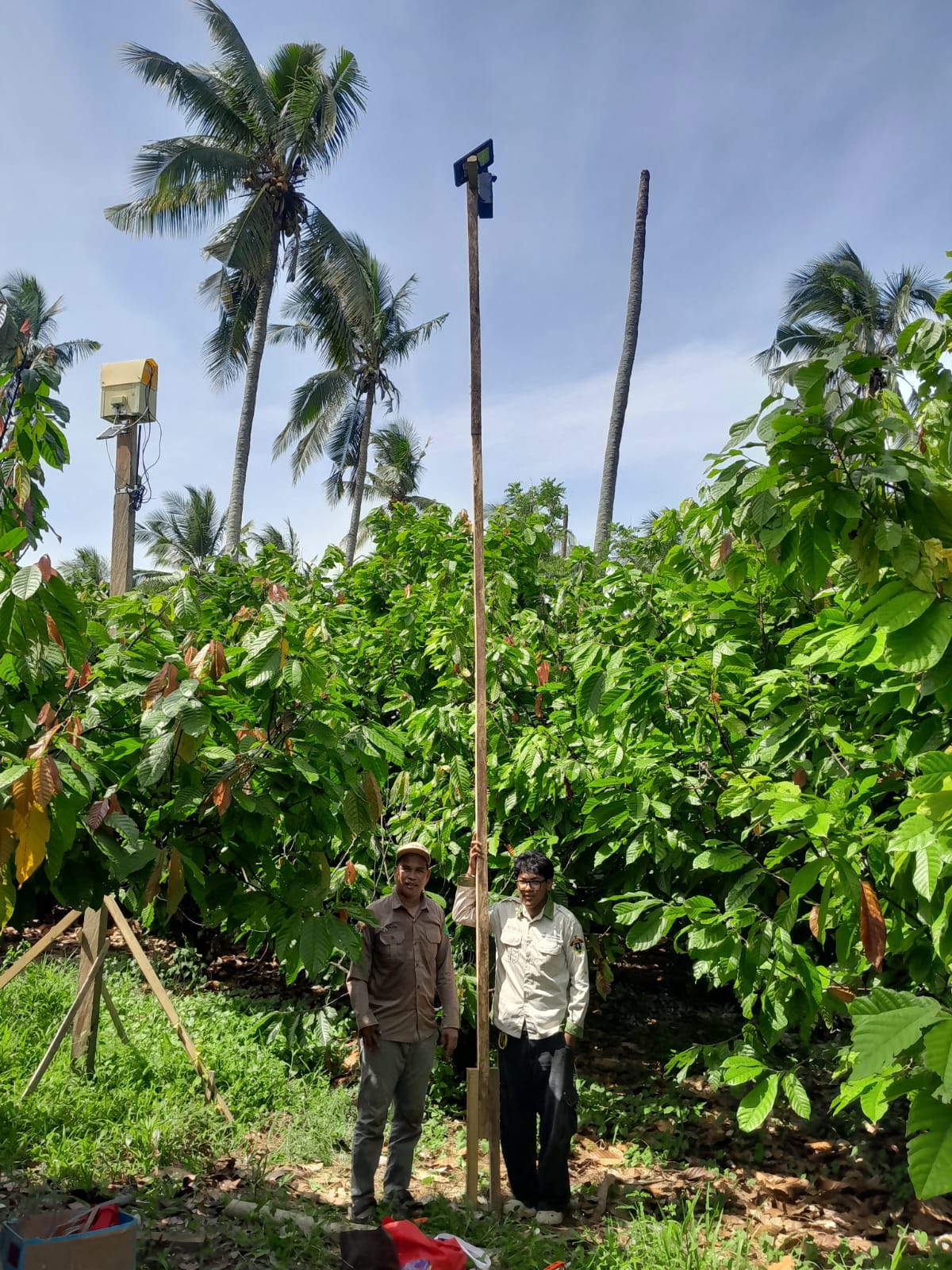

On March 1, 2026, a field-based technical activity was conducted in Desa Bende, Kolaka, focusing on the installation of an Internet of Things (IoT)-based environmental sensing system. This initiative represents a strategic effort to integrate modern technology into agricultural monitoring, particularly in understanding the dynamics of plant diseases affecting cocoa crops.
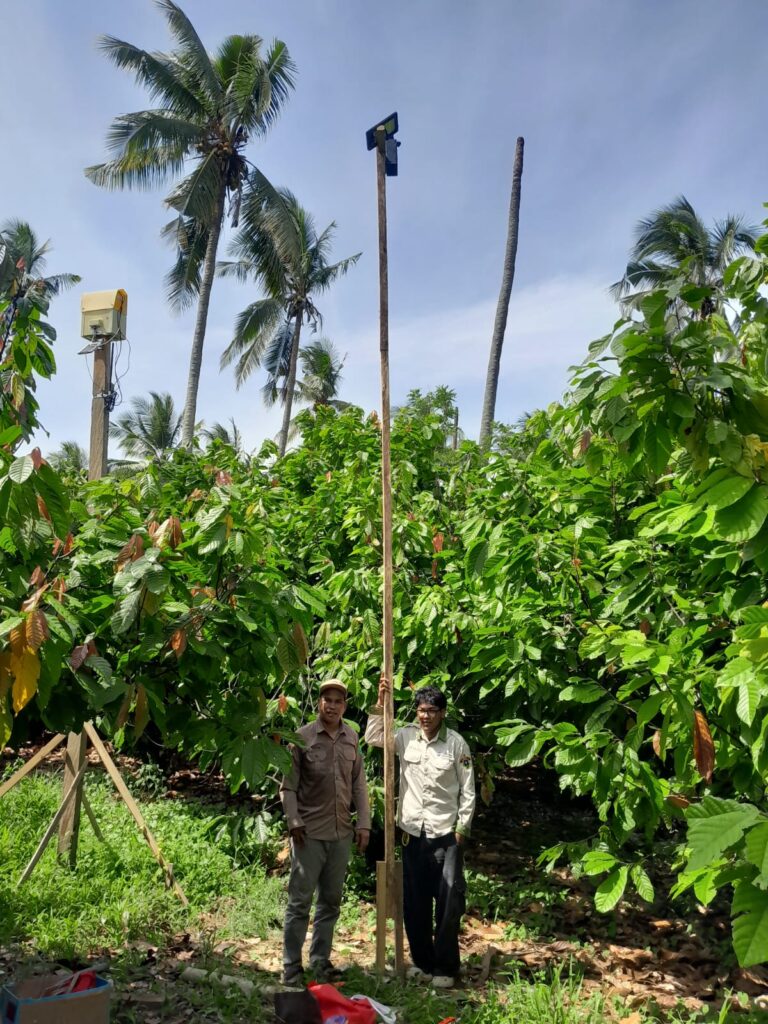
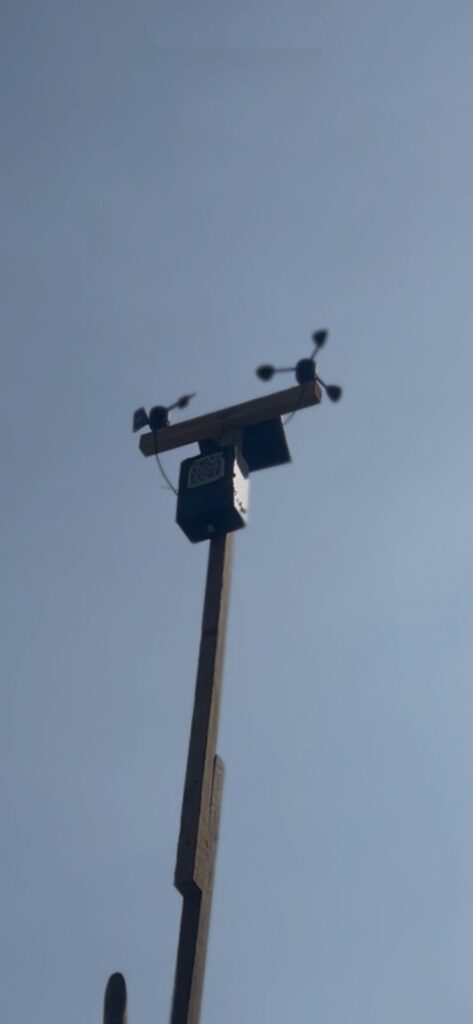
The activity involved 9 participants, consisting of researchers and technical personnel working collaboratively to deploy sensor devices designed to measure key environmental parameters—specifically wind speed and solar radiation intensity. These variables are critical in assessing their correlation with the development and spread of Phytophthora, a pathogen responsible for significant yield losses in cocoa plantations.
The installation process began with site selection, ensuring that the sensors were placed in representative areas within the cocoa plantation to capture accurate and reliable data. Following this, the team configured the devices, calibrated sensors, and established communication systems to enable real-time data transmission. This approach allows continuous monitoring, providing valuable datasets for further scientific analysis.
From a broader perspective, this activity contributes directly to several Sustainable Development Goals (SDGs). Notably, it aligns with SDG 1: No Poverty, as improving cocoa productivity can enhance farmers’ income and economic resilience. By mitigating crop losses caused by Phytophthora, farmers are better positioned to sustain their livelihoods.
Additionally, the initiative supports SDG 4: Quality Education by promoting applied learning and field-based research. Participants engaged in hands-on experience with IoT technologies, data collection methods, and environmental analysis, thereby strengthening their technical competencies and fostering innovation in agricultural practices.
Furthermore, the collaboration embedded in this activity reflects the principles of SDG 17: Partnerships for the Goals. The successful implementation of the project required coordination among researchers, local stakeholders, and technical teams, highlighting the importance of multi-sector partnerships in addressing complex agricultural challenges.
The integration of IoT technology into cocoa farming systems marks a significant advancement toward precision agriculture. By understanding how environmental factors influence the lifecycle of Phytophthora, researchers can develop predictive models and early warning systems. These insights are expected to inform better disease management strategies, ultimately leading to more sustainable and productive cocoa cultivation.
In conclusion, the IoT sensor installation in Desa Bende is not merely a technical deployment but a meaningful step toward bridging science, technology, and community needs. It demonstrates how data-driven approaches can empower agricultural systems, improve farmer welfare, and contribute to global sustainability agendas.


