
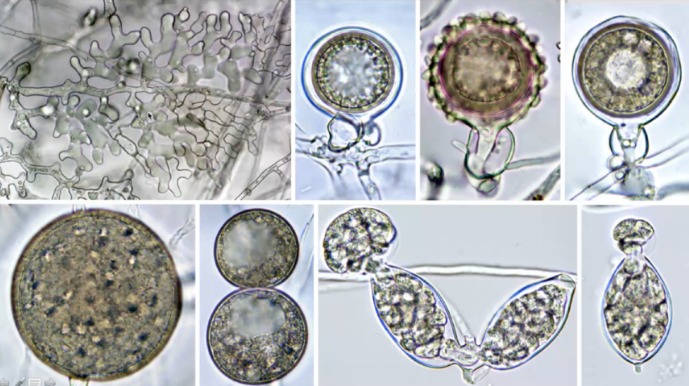

Rising global concern over plant diseases has intensified the need for preventive strategies that begin at the earliest stages of plant production. Addressing this challenge, an international webinar titled Healthy Nursery Plants as the Foundation of Sustainable Ecosystems was successfully conducted as part of a broader scientific initiative to understand and mitigate the spread of Phytophthora, a group of destructive plant pathogens. The activity was hosted through an online platform associated with the PURPEST initiative (https://purpest.eu/news/webinar-heatlhy-nursery-plants), bringing together a wide range of participants from different regions and scientific backgrounds.
The webinar, held on 20 April 2026, attracted significant global attention with 460 participants engaging in discussions on plant health, biosecurity, and sustainable ecosystem management. The large number of attendees reflects the growing awareness of the risks posed by Phytophthora, which is known to cause severe diseases in agricultural crops, forest species, and natural ecosystems. These pathogens not only threaten food production systems but also disrupt ecological balance and biodiversity.


A central highlight of the event was the contribution of Prof. Bruno Scanu (Forest Pathology; Invasive Species; Taxonomy; Evolutionary Biology, University of Sassari, Sassari (UNISS)) as an international collaborator. Through his presentation and expert insights, Prof. Scanu emphasized the importance of nursery hygiene, pathogen-free planting materials, and early detection systems in preventing the spread of invasive plant pathogens. His perspective underscored the role of nurseries as critical control points in safeguarding both agricultural and natural ecosystems.
The webinar also featured active participation from students, including A. Syera Salsabila, Adel Estarick, and others, who contributed to the discussion by exploring how scientific knowledge can be translated into practical solutions. Their involvement highlights the importance of engaging the next generation of researchers in addressing global environmental challenges through interdisciplinary approaches.
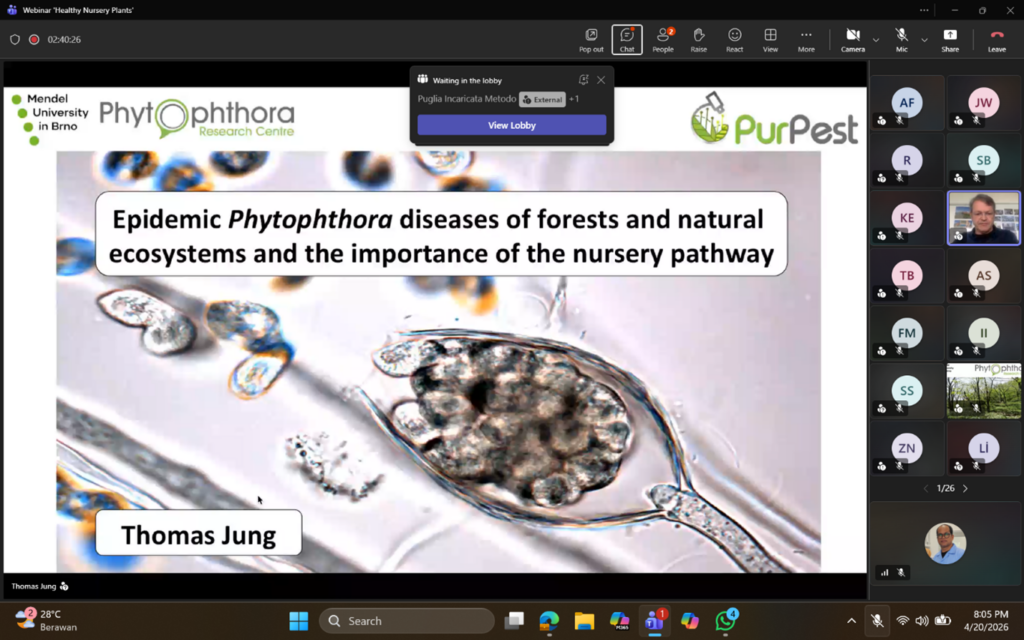
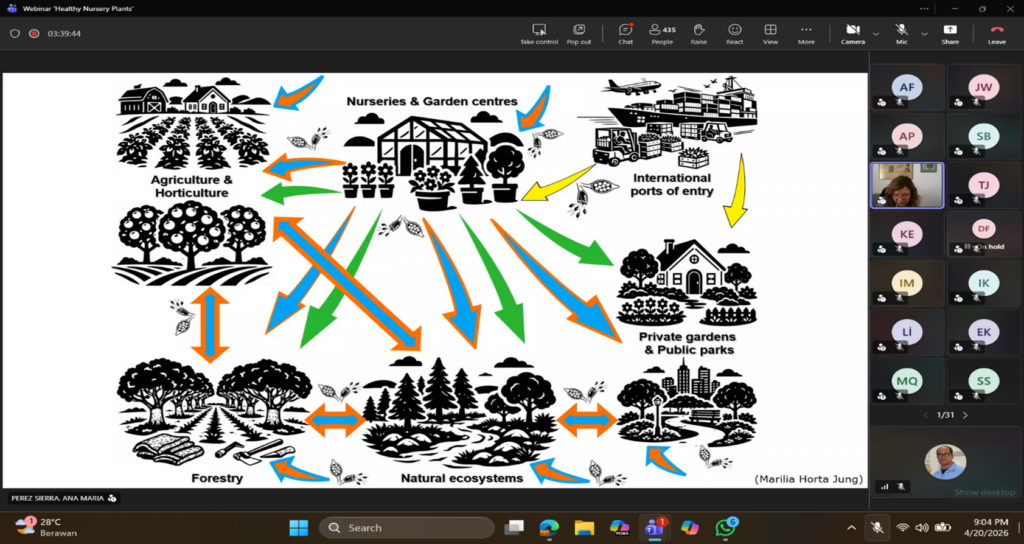
The primary objective of this activity was to respond to increasing scientific and societal concerns regarding Phytophthora by promoting awareness and knowledge exchange on sustainable management strategies. Discussions focused on improving nursery practices, strengthening biosecurity measures, and integrating scientific innovations into plant production systems. By ensuring that nursery plants are healthy and free from pathogens, the risk of disease spread can be significantly reduced, thereby supporting long-term ecosystem stability.

This activity aligns strongly with several Sustainable Development Goals (SDGs). It contributes to SDG 1: No Poverty by addressing plant disease risks that can lead to crop failure and economic losses for farmers and forestry stakeholders. Preventing disease at the nursery stage helps protect livelihoods and supports sustainable income generation.
Furthermore, the webinar supports SDG 4: Quality Education by facilitating knowledge dissemination, international collaboration, and capacity building among researchers, students, and practitioners. The exchange of scientific insights and practical experiences enhances understanding and promotes evidence-based decision-making.
In addition, the global collaboration reflected in this activity highlights the importance of SDG 17: Partnerships for the Goals. The involvement of international experts, institutions, and participants demonstrates how collective action is essential to addressing transboundary plant health challenges.
Overall, this webinar represents a significant step toward strengthening global efforts in plant health management. By emphasizing the importance of healthy nursery systems, the activity contributes to the development of resilient agricultural and ecological systems capable of sustaining future generations.


