

Participation in the Genomics and Science Dojo (GSD) was undertaken in May 2025 as part of ongoing efforts to strengthen capacity in genomics and data-driven health research. The program was attended together with Ulfah Najamuddin, Ph.D, as part of Batch 3 participants.
The Genomics and Science Dojo is an intensive training initiative designed to equip researchers with competencies in genomic data analysis, critical scientific thinking, and research communication. It is collaboratively implemented by the Summit Institute for Development, GSI Academy (part of GSI Lab), the Oxford University Clinical Research Unit (OUCRU), and IMERI–Faculty of Medicine Universitas Indonesia, with support from the British Embassy in Jakarta. The program responds to the growing need for stronger bioinformatics and analytical capacity among Indonesian researchers, particularly in translating complex genomic data into meaningful public health insights.
The learning approach differs from conventional training formats. Through structured “sprints” and interactive discussions, participants are continuously engaged in developing, presenting, and critically defending their scientific ideas. This approach, referred to as Shinjitsu or the pursuit of truth, emphasizes analytical rigor, open critique, and clarity in scientific communication, creating a dynamic and practice-oriented learning environment.
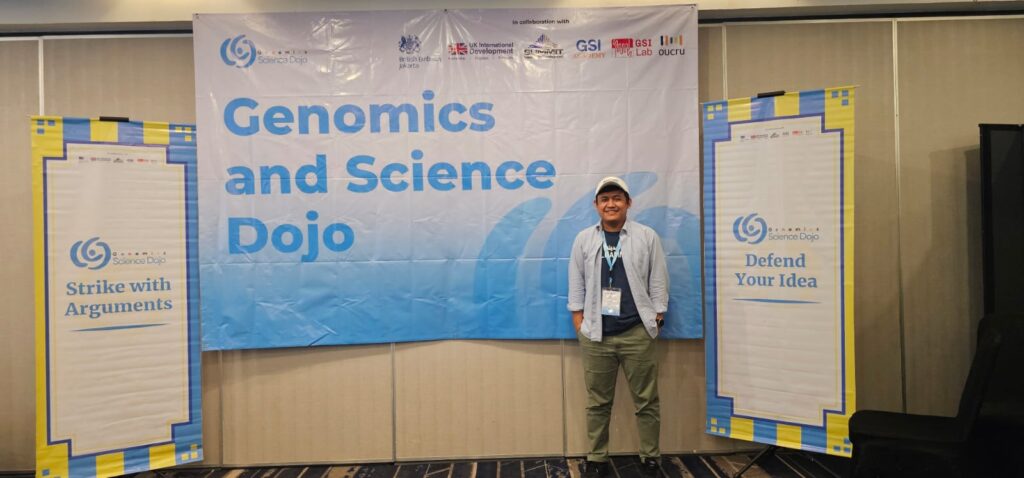
During the program, a research project entitled “Interconnected Genes and Dietary Components in Type 2 Diabetes and Obesity (Diabesity): A Scoping Review” was developed, focusing on the interaction between genetic factors and dietary exposures in shaping metabolic disease risk. In Batch 3, the team was recognized as one of the top-performing groups and advanced to the Grand Tournament session, where selected teams presented and defended their work in a competitive setting. One of the main outputs of the program is a publishable scientific manuscript, and the study is currently undergoing peer review.
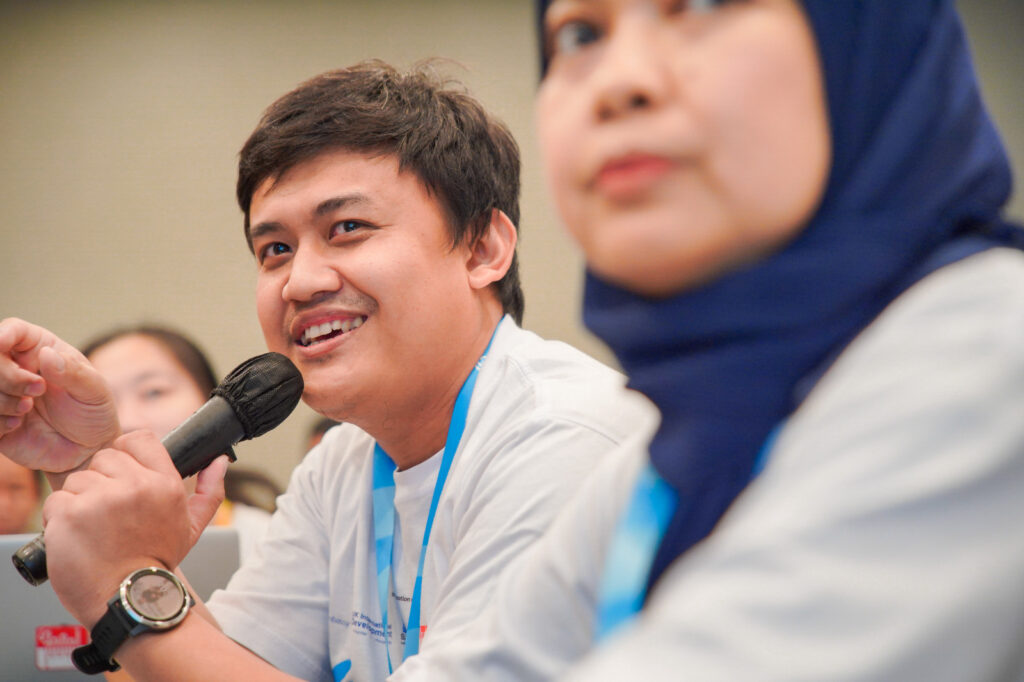
Participation in this program provides added value beyond the immediate research output. The experience contributes to strengthening analytical capacity, particularly in integrating genomic perspectives into nutrition and obesity research. Exposure to hands-on data analysis, critical scientific exchange, and interdisciplinary collaboration supports the development of more robust and data-driven approaches that can be applied within ongoing and future research activities. Through this engagement, the TRG benefits not only from enhanced individual competencies, but also from the transfer of knowledge and approaches that can be applied across its research pipeline—particularly in understanding complex conditions such as obesity and metabolic disorders.