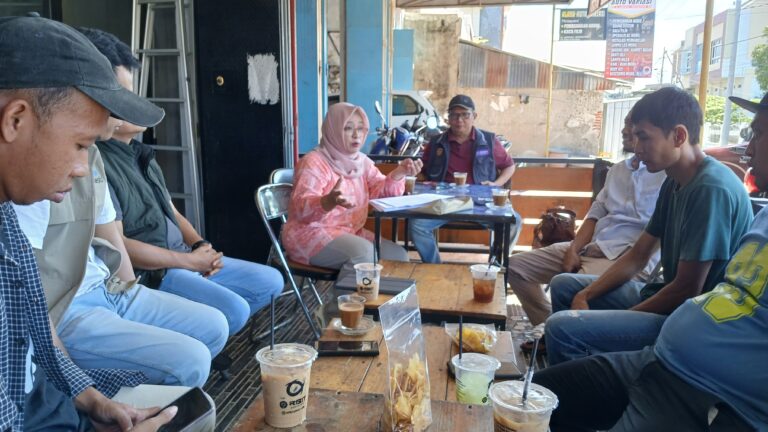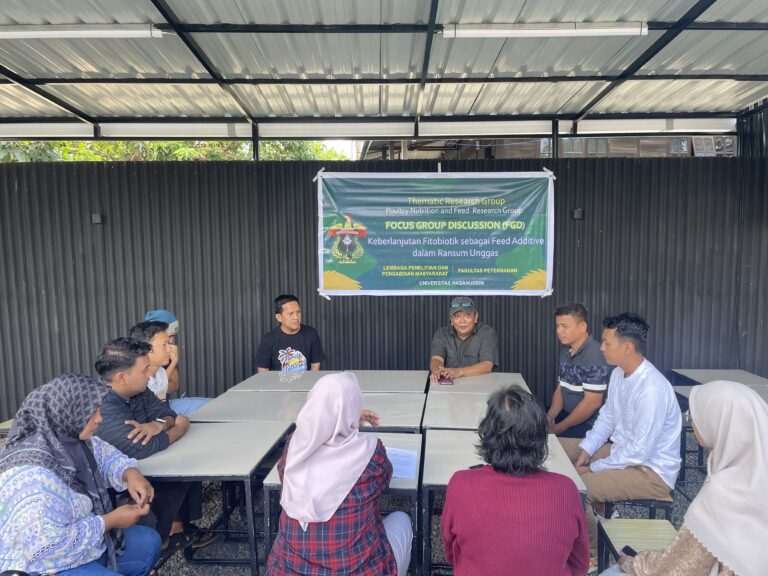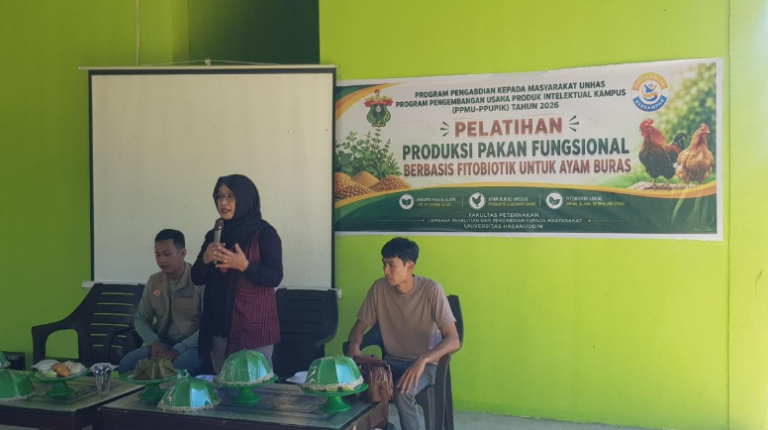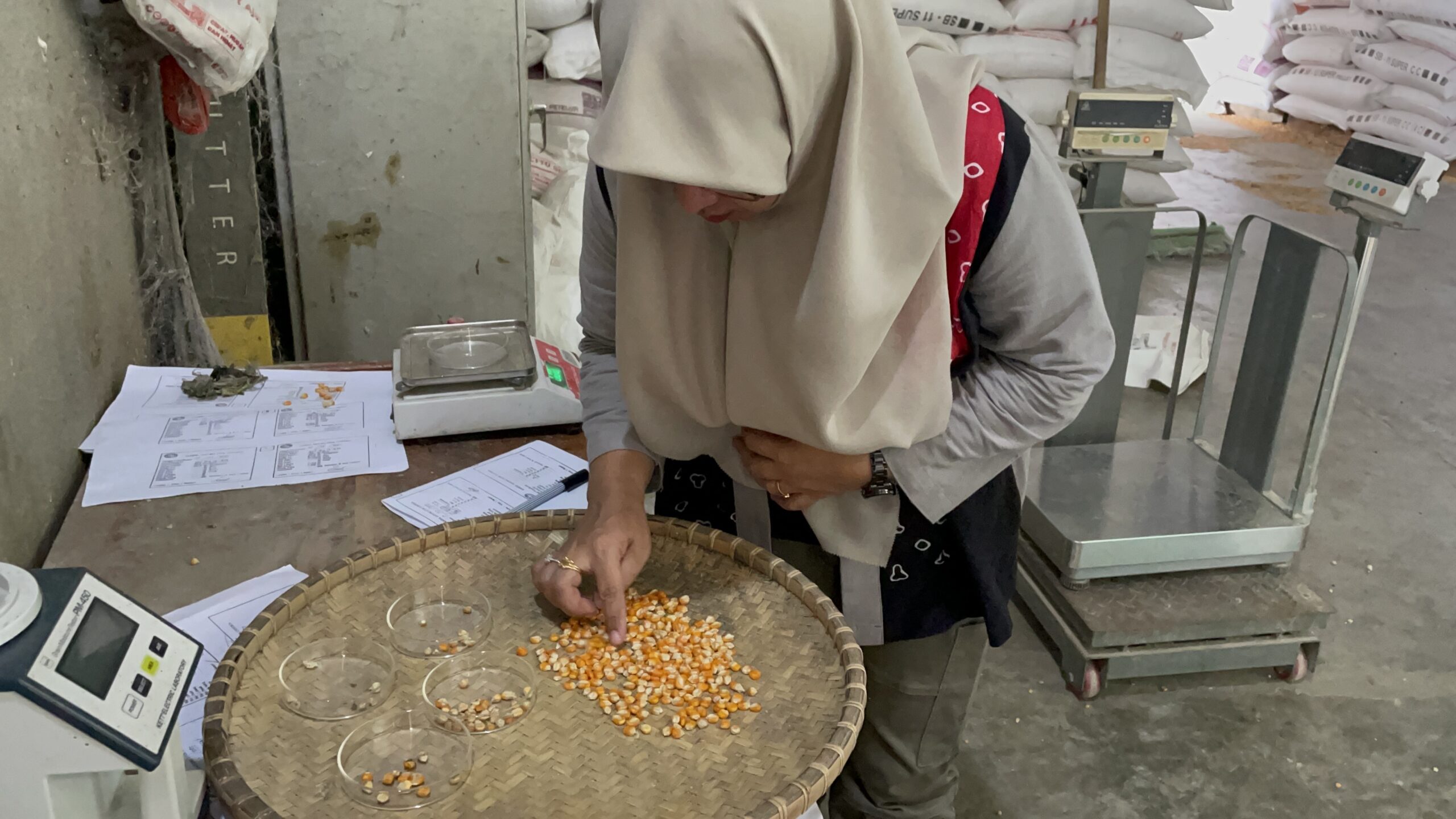

Sidrap- As part of our commitment to the Tri Dharma of Higher Education—education, research, and community service—TRG Poultry Nutrition and Feed Research Group conducted a research activity entitled “Study of the Correlation of Physical Characteristics of Shelled Corn as an Indicator of Poultry Feed Ingredient Quality” in Sidenreng Rappang (Sidrap), South Sulawesi. The activity was conducted on 17 May 2025 and involved 12 participants. The study focused on understanding how the physical characteristics of shelled corn can serve as practical indicators of feed ingredient quality. As one of the main energy sources in poultry feed, corn plays an essential role in supporting animal growth, production, and overall performance. Therefore, ensuring its quality from the beginning is an important step toward producing safe, nutritious, and consistent poultry feed.
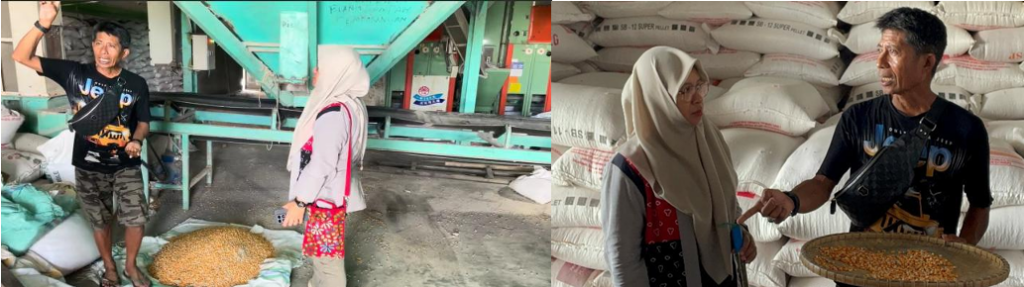
Corn quality is not determined solely by its nutritional composition. Its physical condition can also provide valuable information about its suitability as a poultry feed ingredient. Parameters such as moisture content, moldy kernels, damaged kernels, broken kernels, and foreign materials may indicate potential problems during harvesting, handling, transportation, and storage. For farmers and feed producers, recognizing these indicators can help prevent the use of poor-quality ingredients and minimize potential losses.
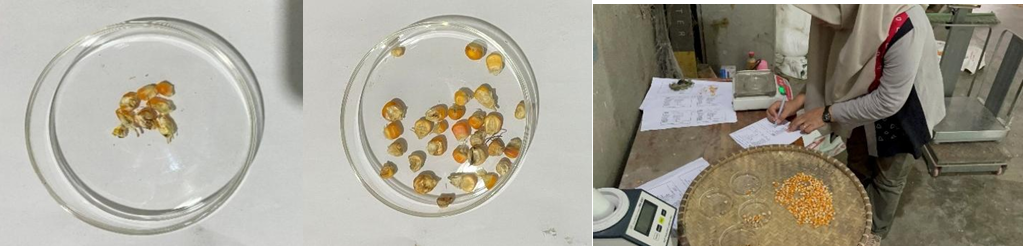
The study specifically analyzed the correlation between moisture content and other physical characteristics of shelled corn. Moisture is an important quality parameter because excessive moisture can create favorable conditions for mold growth and accelerate deterioration during storage. The research also examined the relationships among moldy kernels, damaged kernels, broken kernels, and foreign materials to identify patterns that may provide early indications of declining corn quality.
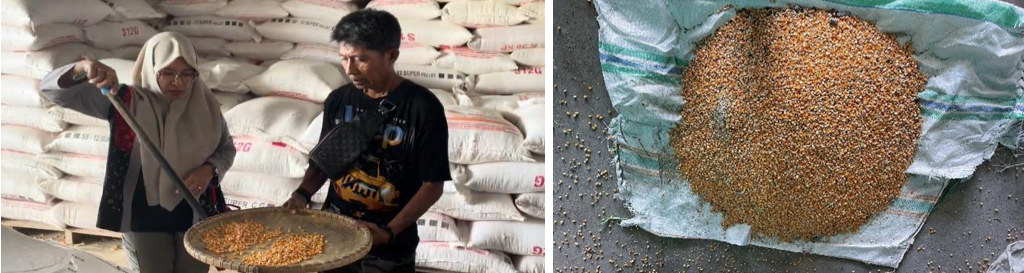
Beyond simple correlations, the activity explored patterns of relationships among the observed variables, including their direct and indirect effects. This approach provides a more comprehensive understanding of corn quality because changes in one physical characteristic may be associated with changes in other characteristics. For example, damaged and broken kernels may be more susceptible to moisture penetration and fungal contamination, potentially increasing the risk of quality deterioration during storage.
The results of this research are expected to contribute to the development of practical approaches for assessing corn quality at the local agricultural and feed-production levels. Systematic evaluation of physical characteristics can provide farmers and feed producers with useful early-warning information before corn is processed or incorporated into poultry diets. This can support better decisions in selecting, handling, and storing feed ingredients.
This research contributes directly to Sustainable Development Goal (SDG) 1: No Poverty by supporting more efficient agricultural practices and helping smallholder poultry farmers reduce potential losses associated with poor-quality feed ingredients. It also supports SDG 4: Quality Education through the development and dissemination of knowledge related to feed quality assessment. Furthermore, the activity contributes to SDG 17: Partnerships for the Goals by strengthening collaboration among researchers, farmers, and agricultural stakeholders in promoting sustainable poultry production.
Ultimately, understanding the physical quality of shelled corn is a practical step toward producing safer and more consistent poultry feed, improving production efficiency, reducing avoidable losses, and strengthening the resilience of local agricultural communities.