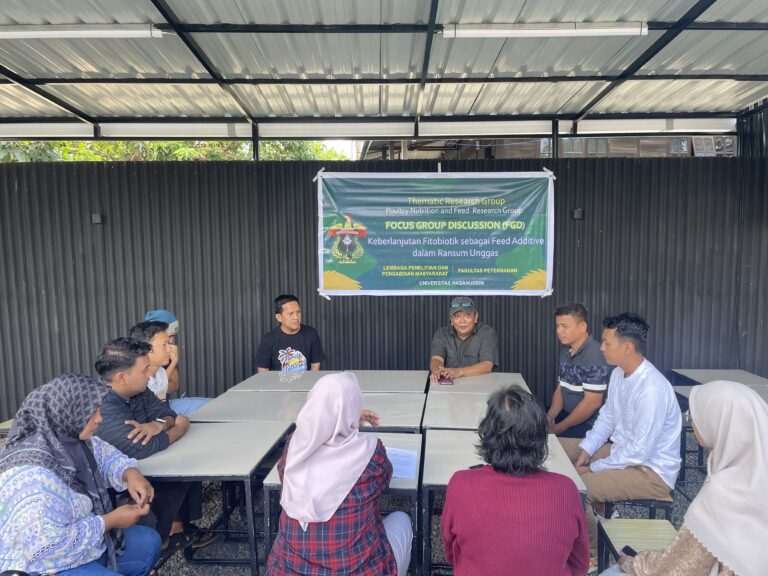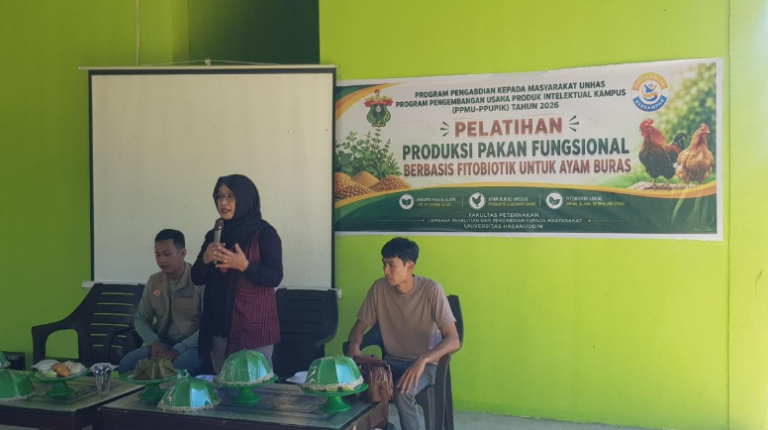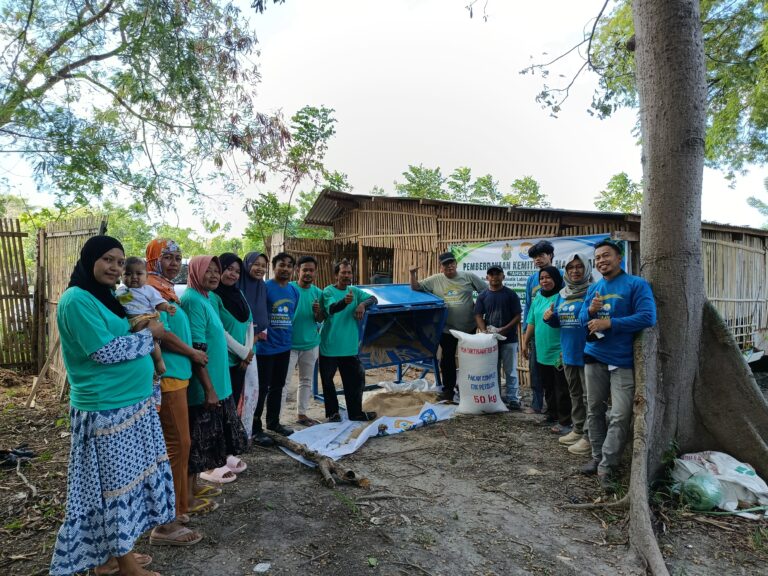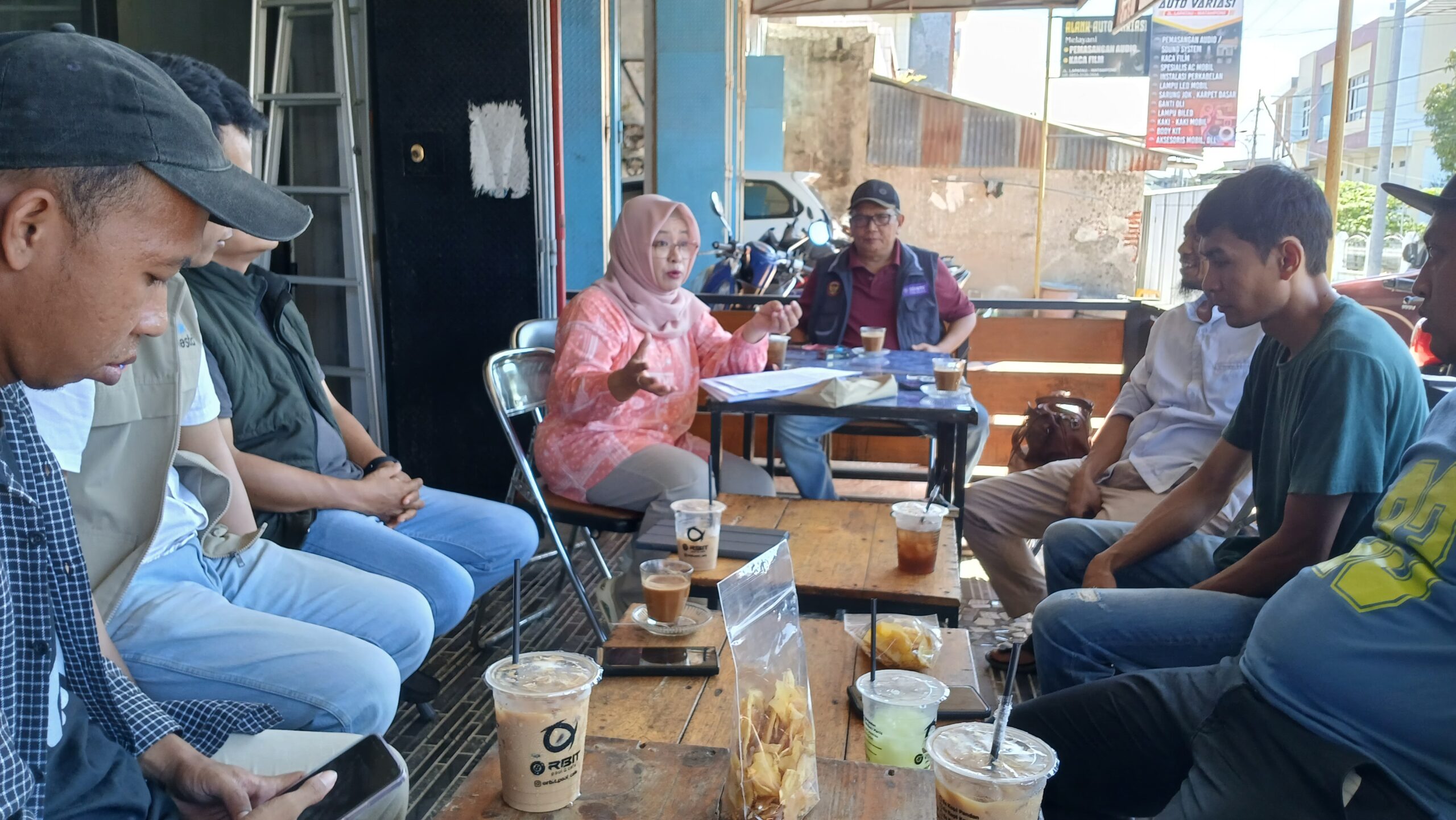

Makassar-Smallholder poultry farming plays an important role in supporting food production, rural livelihoods, and local economic development. However, farmers continue to face various challenges, including rising feed costs, limited access to technology, fluctuating productivity, and the need for sustainable alternatives to support poultry health and performance. One promising innovation is the use of phytobiotics as natural feed additives. Derived from herbs, spices, and other plant-based materials, phytobiotics have gained increasing attention because of their potential to support animal health and productivity. To develop effective strategies for their wider utilization, the research activity entitled “Strategic Model for Phytobiotic Utilization as Feed Additives in Smallholder Poultry Farming” was conducted in several important poultry-producing areas of South Sulawesi.
The research was carried out in Sidrap Regency, Bone Regency, Pinrang Regency, and Gowa Regency, South Sulawesi Province. These locations provided valuable opportunities to examine the potential and challenges of phytobiotic utilization across different smallholder poultry farming conditions and stakeholder perspectives. The activity was conducted on March 13, 2026, and March 20, 2026.
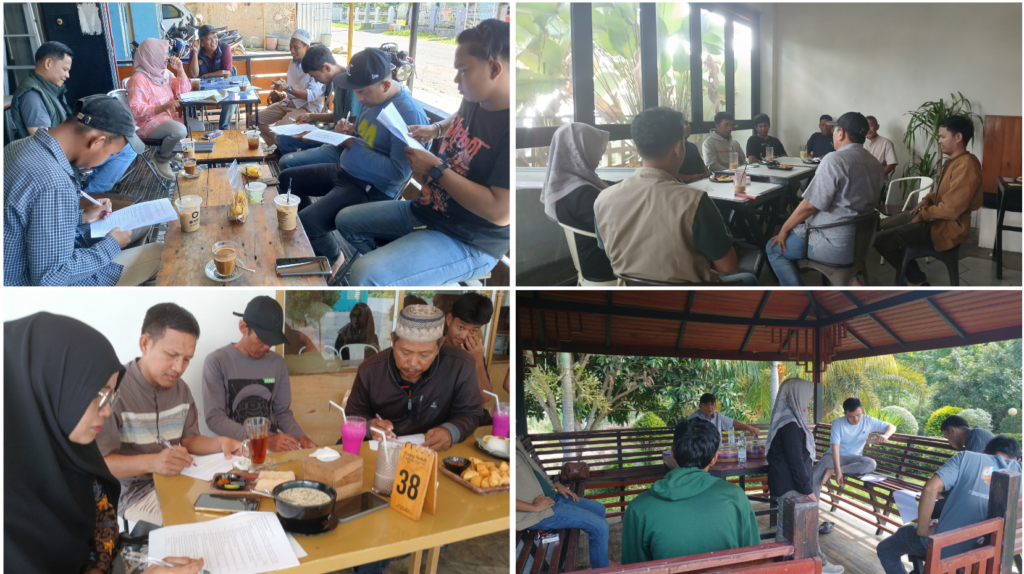
The study aimed to formulate and determine priority strategies for utilizing phytobiotics as feed additives in smallholder poultry farming. An integrated PESTEL–TOWS–AHP approach was applied to support the strategic analysis. PESTEL analysis was used to examine political, economic, social, technological, environmental, and legal factors influencing phytobiotic utilization. The TOWS framework was then used to develop strategic alternatives by considering internal strengths and weaknesses as well as external opportunities and threats. Finally, the Analytical Hierarchy Process (AHP) was used to determine which strategies should be prioritized for practical implementation.
A total of 60 participants were involved in the research and represented a broad range of stakeholders. The participants were grouped into farmers, extension workers representatives, feed industry representatives, government officers from local agriculture/livestock services, and academics/researchers. Their participation allowed the research to combine practical farming experiences, scientific knowledge, industrial perspectives, and policy considerations. This collaborative approach was important for identifying realistic and applicable strategies for promoting phytobiotic use among smallholder poultry farmers.
The activity was further strengthened through international collaboration with Muhammad Umair Asghar from Wroclaw University of Environmental and Life Sciences, Wroclaw, Poland, and Eric Lim Teik Chung from Universiti Putra Malaysia. These collaborations supported scientific knowledge exchange and contributed international perspectives to the development of strategic recommendations. The activity also involved student researchers, namely Andi Auliyaa Putri Darwis and Riska Ayu Lestari, providing them with valuable experience in field research, stakeholder engagement, strategic analysis, and sustainable poultry production systems.
The research is closely aligned with the Sustainable Development Goals (SDGs). SDG 1: No Poverty is supported by promoting phytobiotic utilization as a strategy to improve poultry productivity, reduce production risks, and strengthen the economic resilience of smallholder farmers. SDG 4: Quality Education is addressed through the active involvement of students and diverse stakeholders in field research, knowledge sharing, strategic learning, and capacity building. SDG 17: Partnerships for the Goals is reflected in collaboration among farmers, extension workers, feed industry representatives, government officers, academics, and international research partners.
Through this research, strategic planning for phytobiotic utilization is viewed as an important pathway toward productive, resilient, inclusive, and knowledge-based smallholder poultry farming in South Sulawesi and beyond.