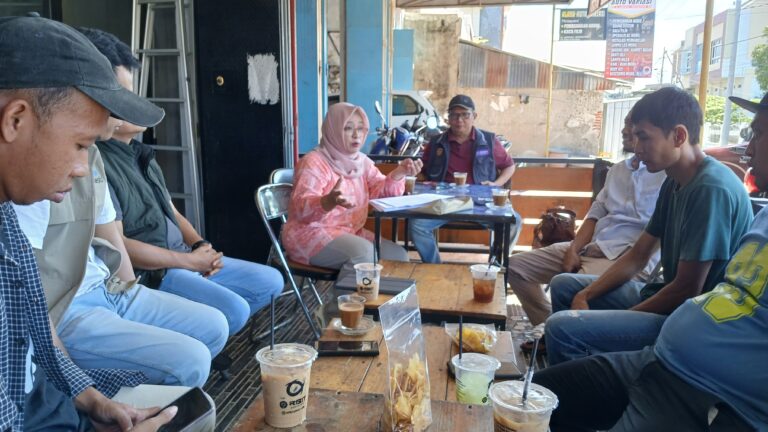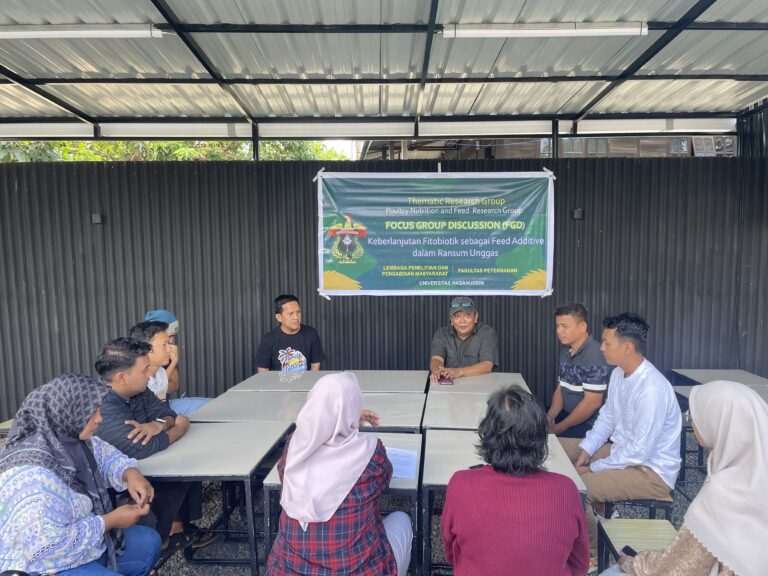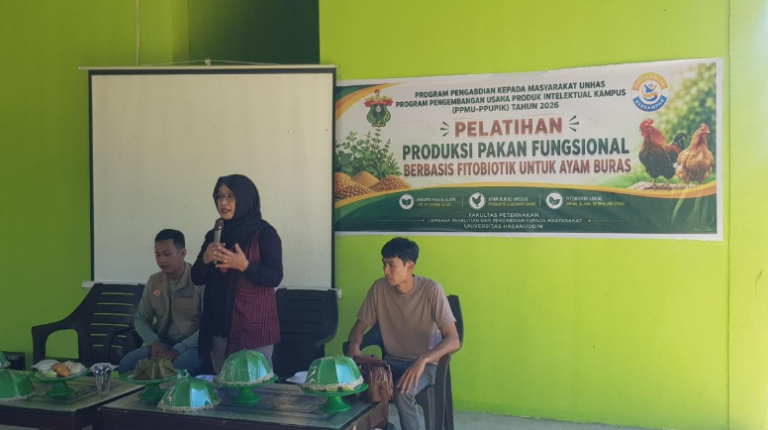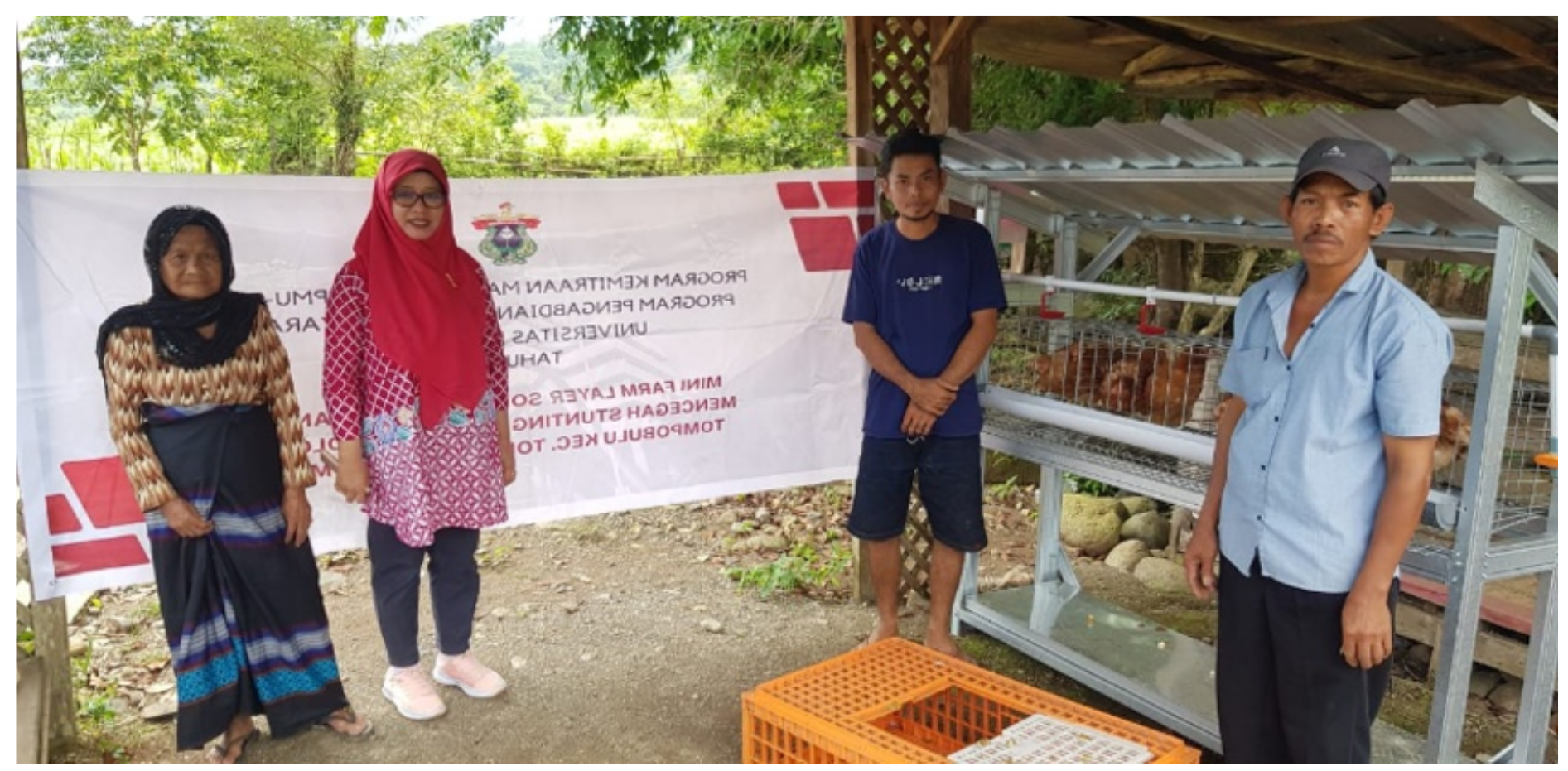

Maros-Stunting remains a serious nutritional and public health challenge that requires collective action at the community level. Adequate nutrition during pregnancy and early childhood is essential for healthy growth, brain development, and long-term well-being. In rural areas, access to affordable, nutritious food can be improved by using locally available resources and strengthening household production. In response to this need, Hasanuddin University implemented a community service program entitled Mini Layer Farm: A Nutritional Solution to Help Prevent Stunting in Tombolo Hamlet, Tompobulu Village, Tompobulu District, Maros Regency.
The activity was conducted on 10 May 2023 in Tombolo Hamlet, Tompobulu Village, Tompobulu District, Maros Regency, and involved 26 participants from the livestock farmer group. It was implemented through the Hasanuddin University Community Service Program under the Partnership Program Scheme (PPMU-PK-M). The initiative was designed as a comprehensive, meaningful, problem-solving, and sustainable program that responded directly to local needs and challenges.
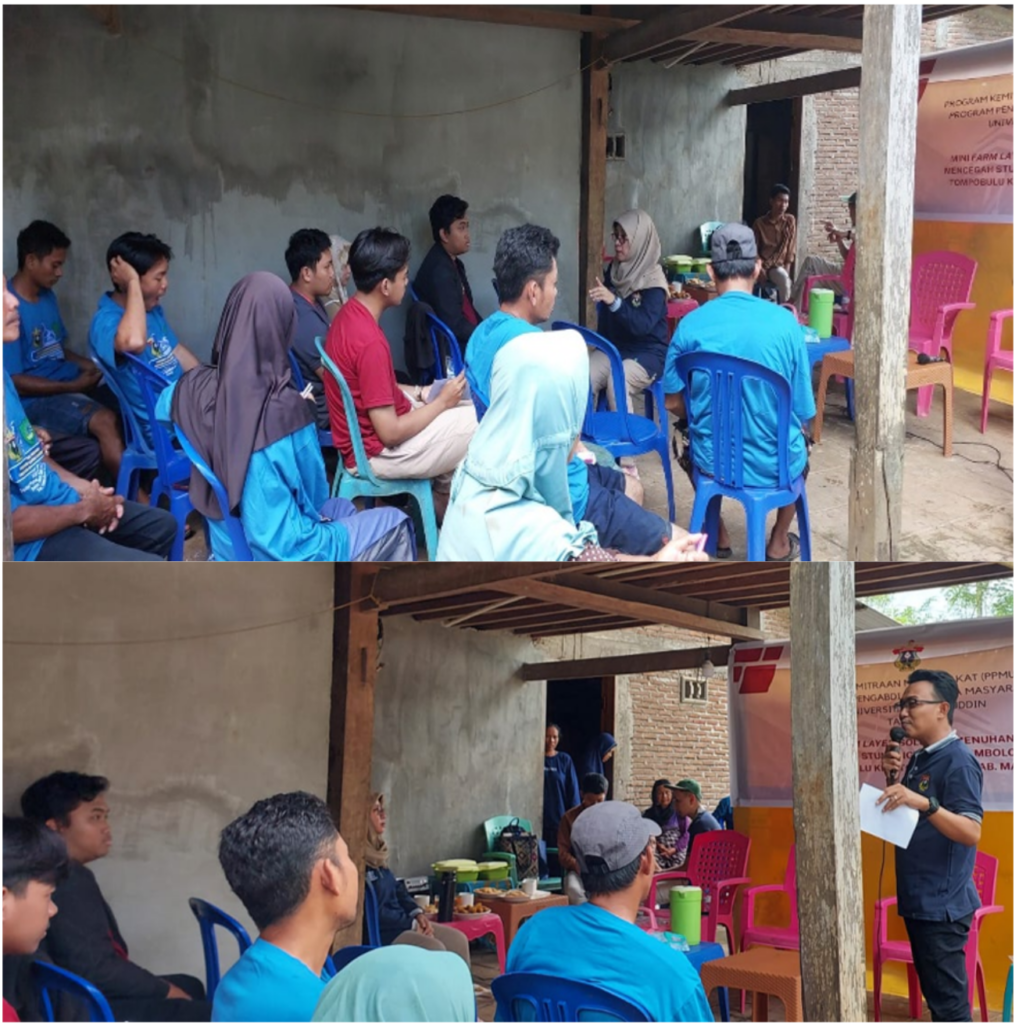
The program provided education for livestock farmers and community members about the importance of adequate nutrition in preventing stunting, particularly among pregnant women and children under five. Eggs are an affordable source of high-quality protein, vitamins, and minerals that can improve dietary quality. Through the mini layer farm initiative, participants were introduced to a practical approach that connects livestock production with household nutritional needs. Families could consume eggs regularly while also selling surplus production to generate additional income.
In addition to nutrition education, the activity included training in layer chicken management. Participants learned about proper feeding, housing management, sanitation, health monitoring, and disease prevention. They also received guidance on systematic recordkeeping. Farmers were trained to document feed use, egg production, mortality, and disease occurrence. Accurate records enable farmers to evaluate flock performance, identify problems early, control costs, and make informed management decisions.
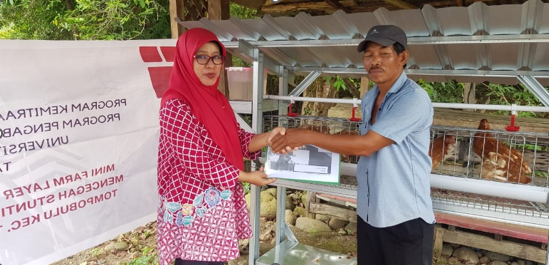
The initiative contributes to SDG 1: No Poverty by supporting community-based livestock enterprises that can strengthen household livelihoods and improve access to productive resources. A well-managed mini layer farm can provide both nutritional benefits and additional income opportunities for farming households. The program also supports SDG 3: Good Health and Well-Being by increasing awareness of adequate nutrition as an important strategy for preventing stunting. Connecting egg production with household consumption promotes a sustainable approach to improving maternal and child nutrition. Furthermore, the program aligns with SDG 4: Quality Education by offering accessible and practical learning opportunities for livestock farmers. Through education, mentoring, and direct guidance, participants gained knowledge and skills that can be applied independently in their communities. The activity also reflects SDG 17: Partnerships for the Goals. Collaboration among Hasanuddin University, livestock farmer groups, and the local community demonstrates how academic knowledge can be transformed into practical solutions for community development.
Through the mini layer farm initiative, 26 participants received integrated education and practical assistance on 10 May 2023. The program shows that sustainable community empowerment can address livestock productivity, household nutrition, and stunting prevention while strengthening local capacity for long-term development.