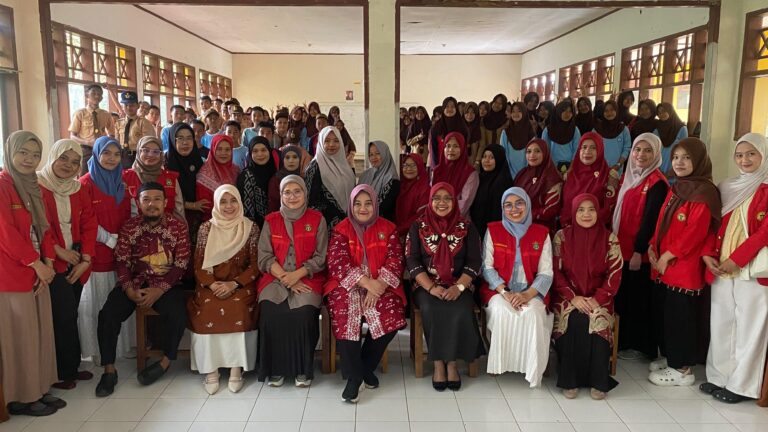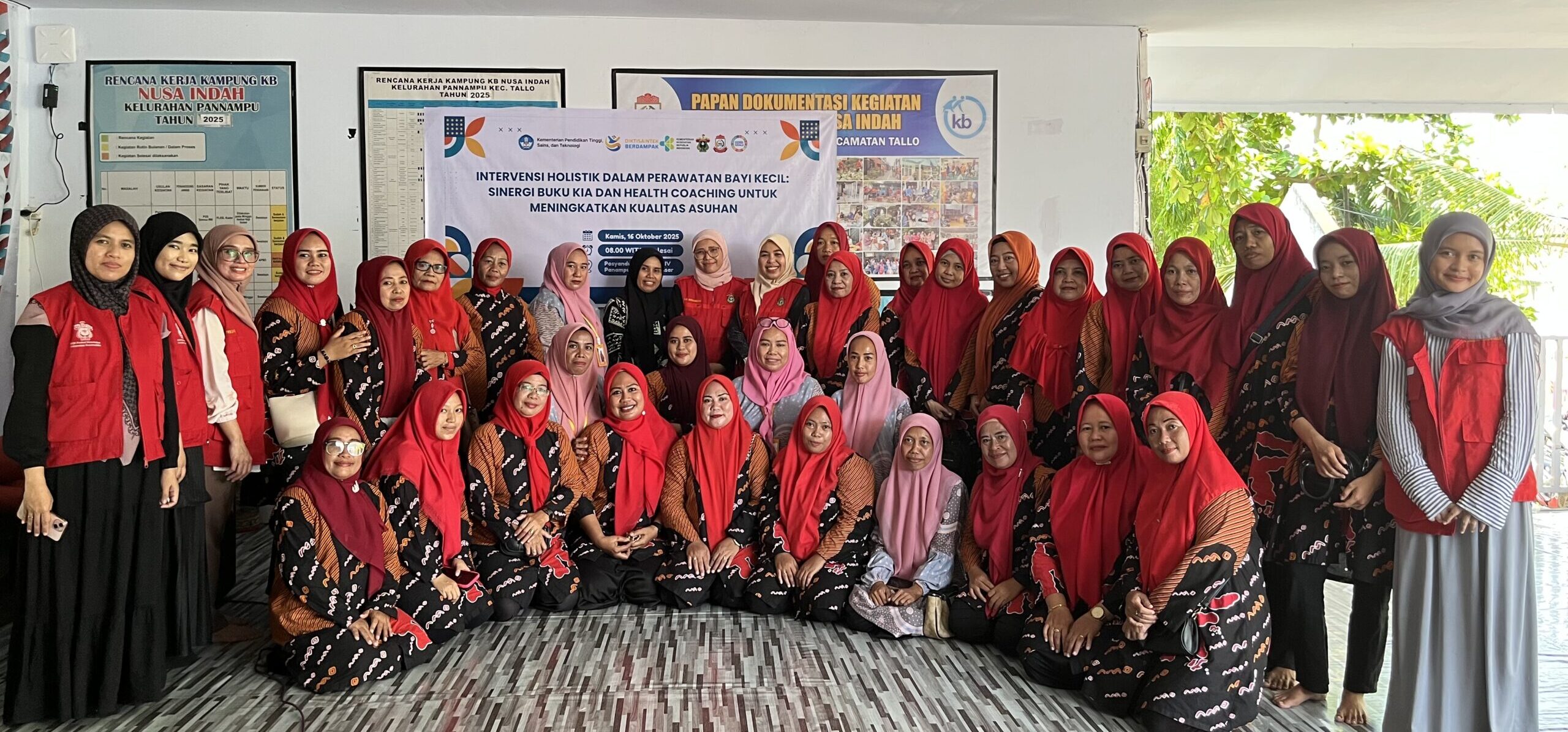

Small and low-birth-weight (LBW) babies require continuous, responsive, and family-centered care to support optimal growth and development. Recognizing the importance of bringing appropriate care closer to families, the community engagement program “Holistic Intervention for Small Baby Care: Integrating the Maternal and Child Health (MCH) Handbook and Health Coaching to Improve Quality of Care” implemented a Model Posyandu Specifically for Small Babies at Posyandu Nusa Indah IV, Panampu, Makassar City, on 16 October 2025. The activity involved 30 health cadres and 10 mothers with their LBW babies, creating a community-based environment where families, cadres, and healthcare professionals could work together to strengthen the quality and continuity of small baby care.
The central activity was the implementation of a Model Posyandu for Small Babies, designed to address the specific needs of small and LBW babies at the community level. Unlike routine community health activities, this model emphasized targeted support for families caring for vulnerable babies. The initiative strengthened the role of Posyandu not only as a place for monitoring infant growth and health, but also as an accessible setting where mothers could receive information, guidance, and individualized support.
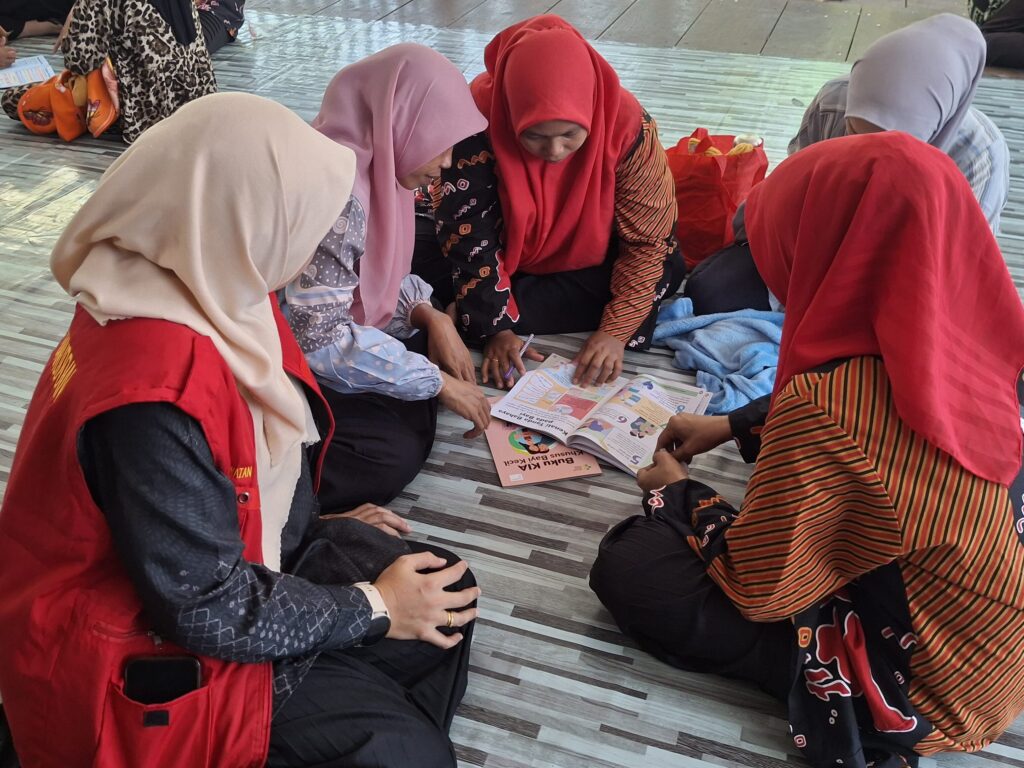
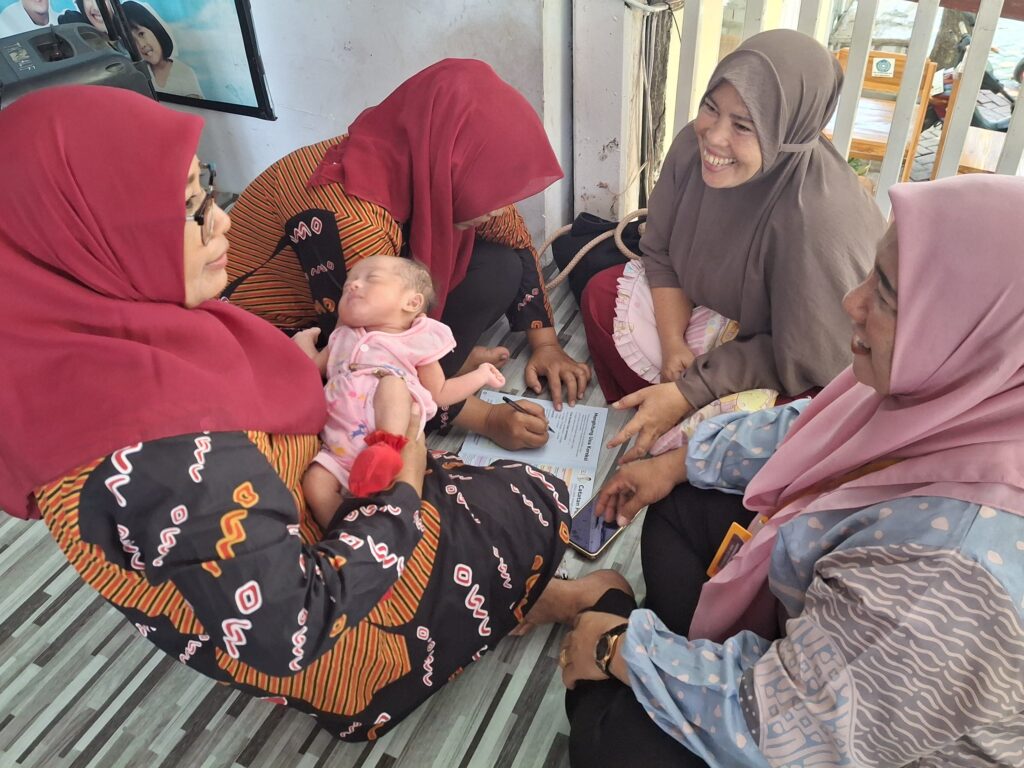
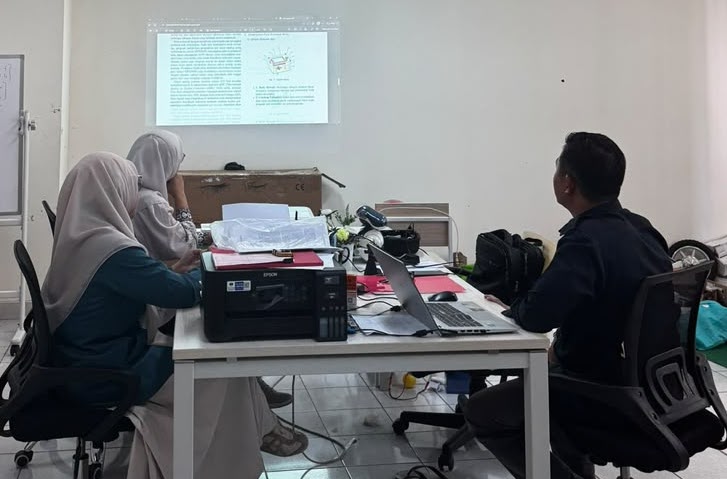
Educational assistance was an essential component of the model. Healthcare professionals and health cadres collaboratively guided mothers using the MCH Handbook for Small Babies and visual educational media. These resources helped mothers understand important aspects of small baby care, including appropriate daily care, feeding, growth and development monitoring, and recognition of health conditions that may require professional attention. The educational process encouraged mothers to discuss their experiences and concerns, enabling information to be adapted to their individual needs.
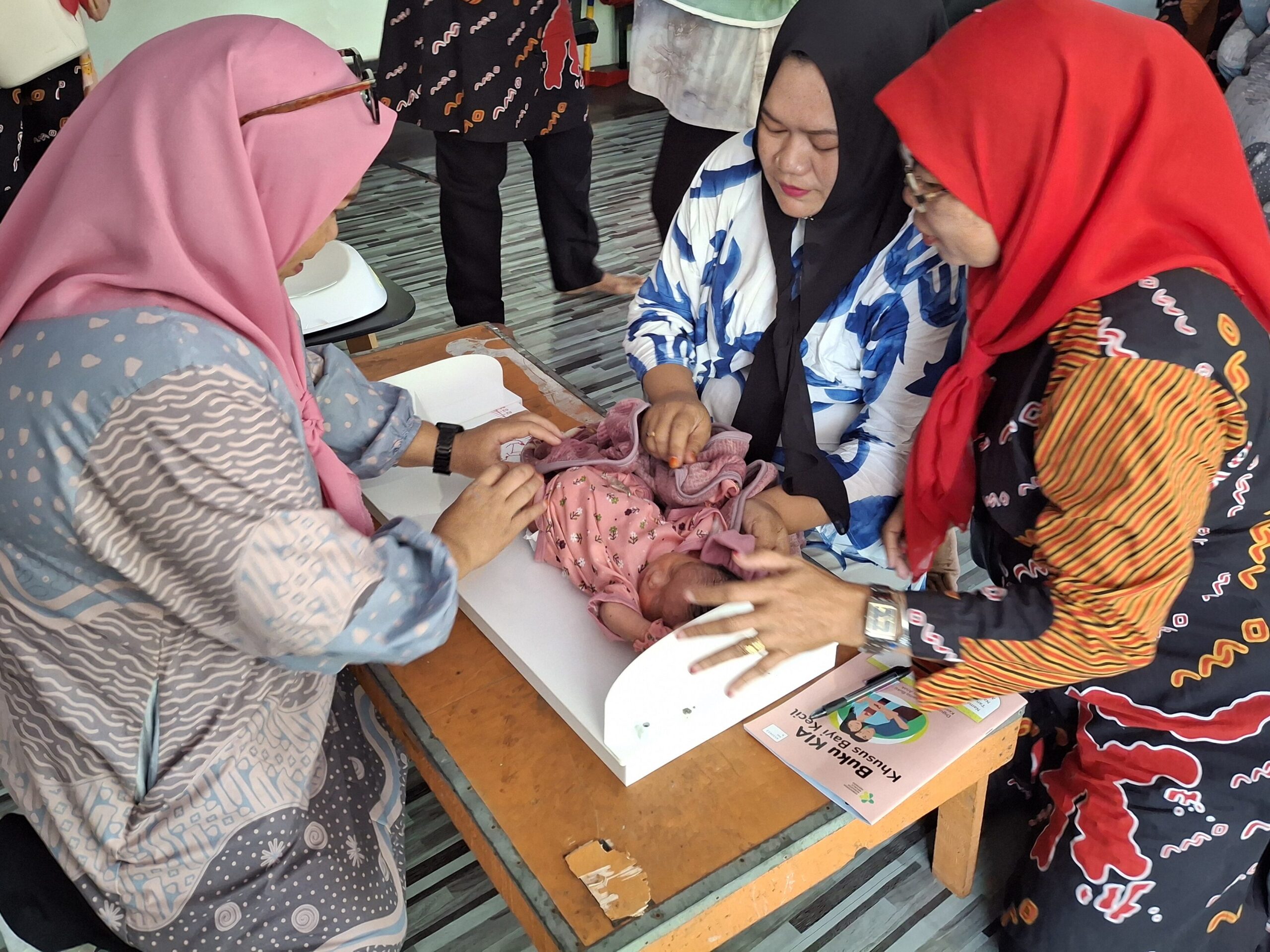
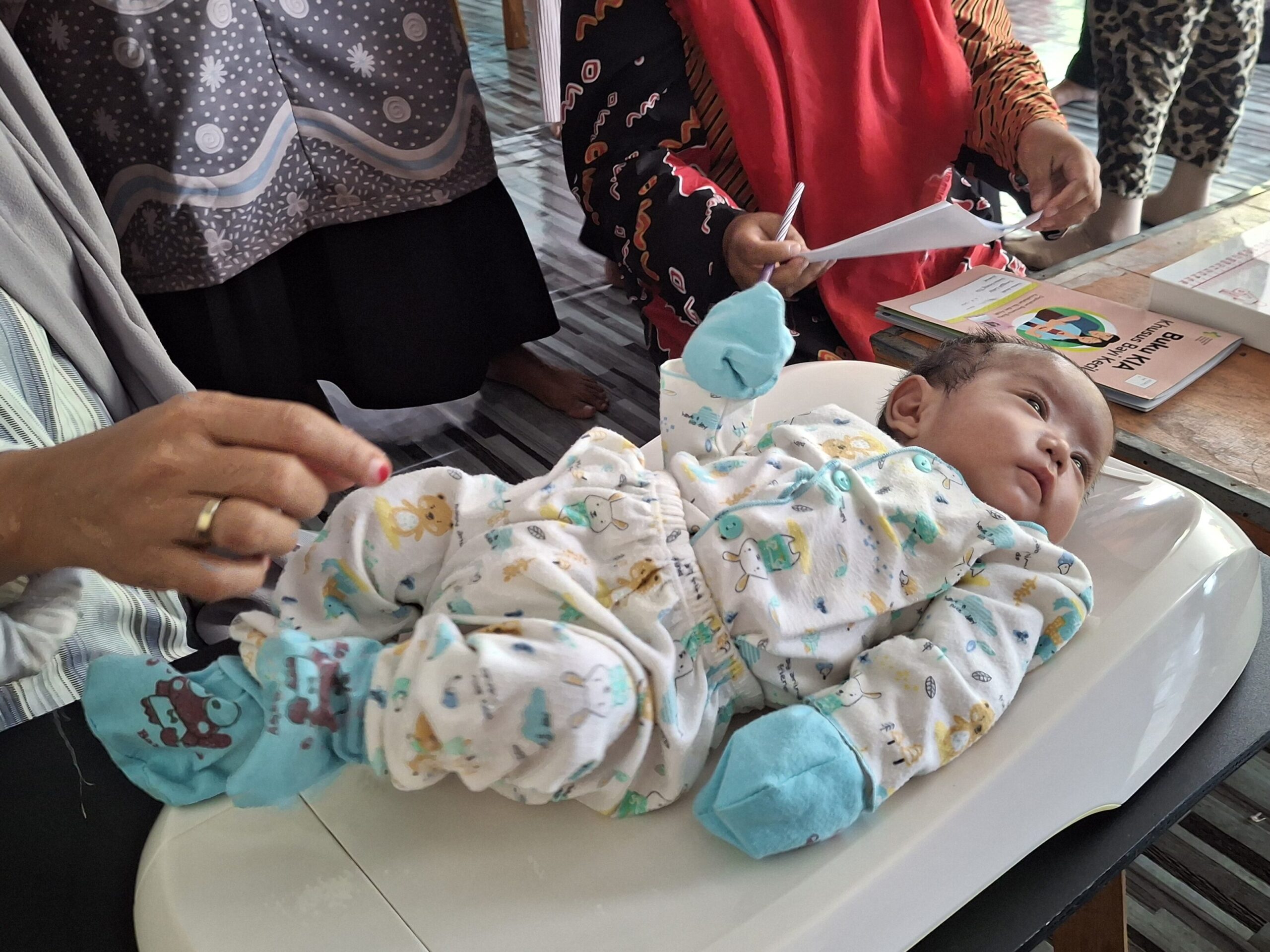
The integration of Health Coaching further strengthened this educational process. Rather than relying solely on one-way information delivery, Health Coaching promotes active communication between mothers, cadres, and healthcare professionals. Mothers were encouraged to identify their babies’ needs, explore challenges encountered at home, and participate in making informed care decisions. At the same time, health cadres strengthened their capacity to accompany families and facilitate continuity of care within the community.
This initiative contributes to several Sustainable Development Goals (SDGs). It supports SDG 1: No Poverty by strengthening families’ capacity to prevent health complications that may contribute to social and economic vulnerability. It advances SDG 3: Good Health and Well-Being by promoting appropriate care and early prevention of growth and developmental problems among LBW babies. SDG 4: Quality Education is addressed by improving mothers’ health literacy and strengthening cadres’ educational capacity. The initiative also supports SDG 17: Partnerships for the Goals through collaboration among families, health cadres, healthcare professionals, Posyandu, and primary healthcare services.
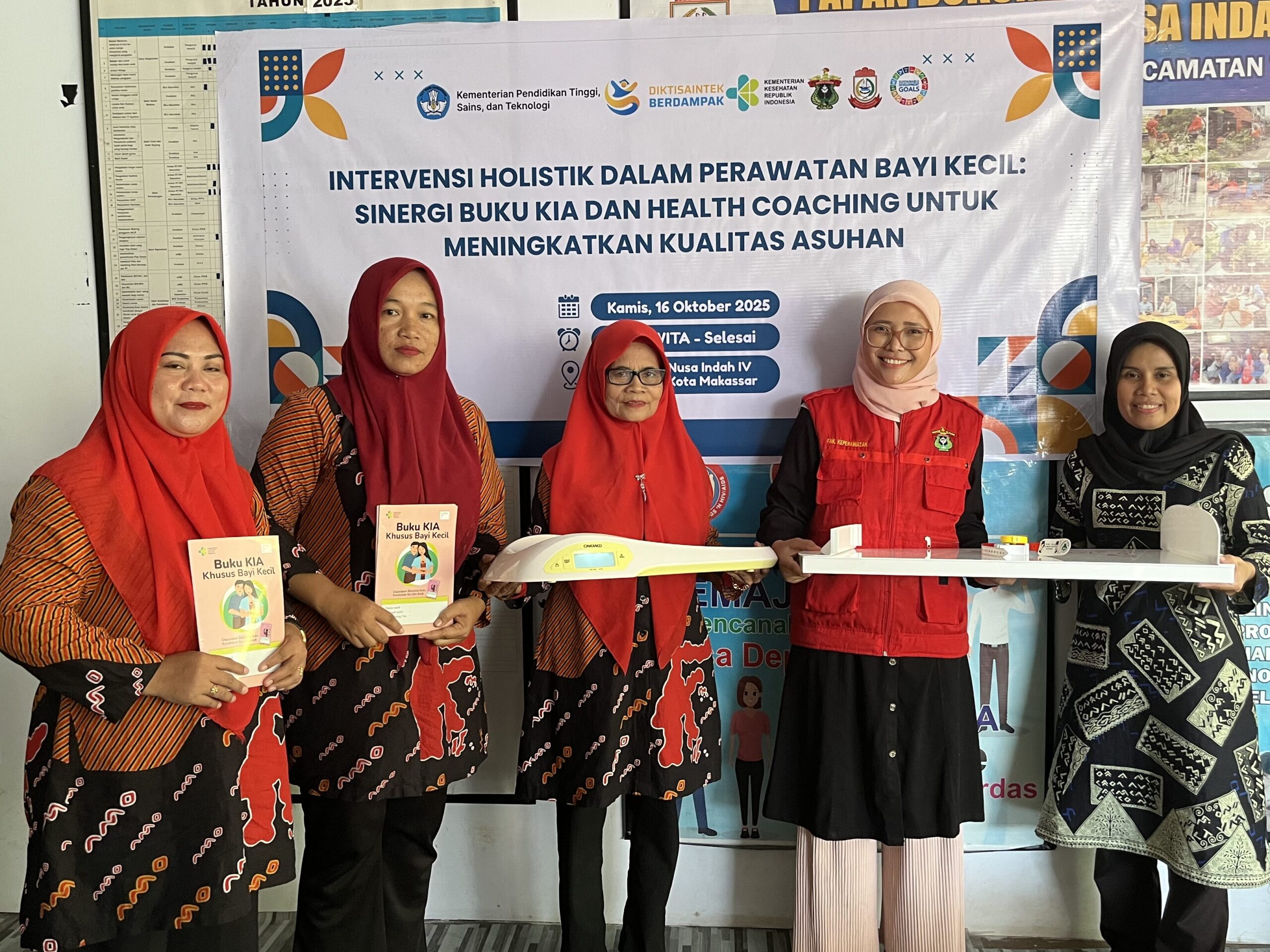
Through this Model Posyandu for Small Babies, the integration of the MCH Handbook and Health Coaching demonstrates a practical community-based approach to strengthening family empowerment and continuity of care. The model is expected to help mothers become more confident and active caregivers while ensuring that small babies receive appropriate support during a critical period of growth and development.