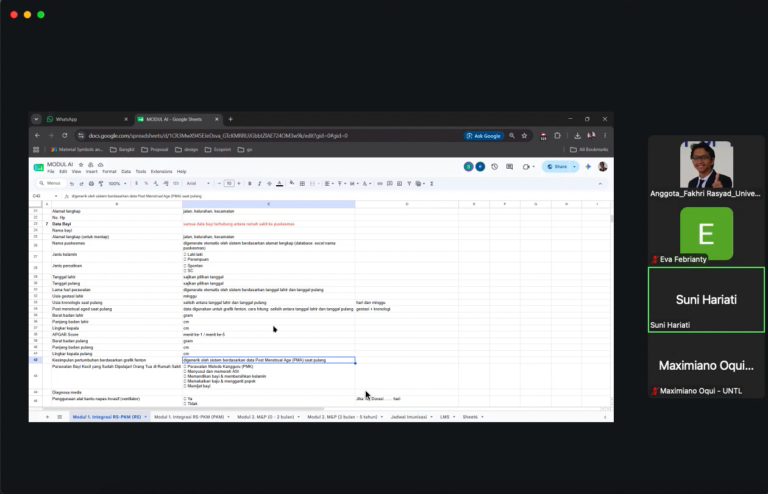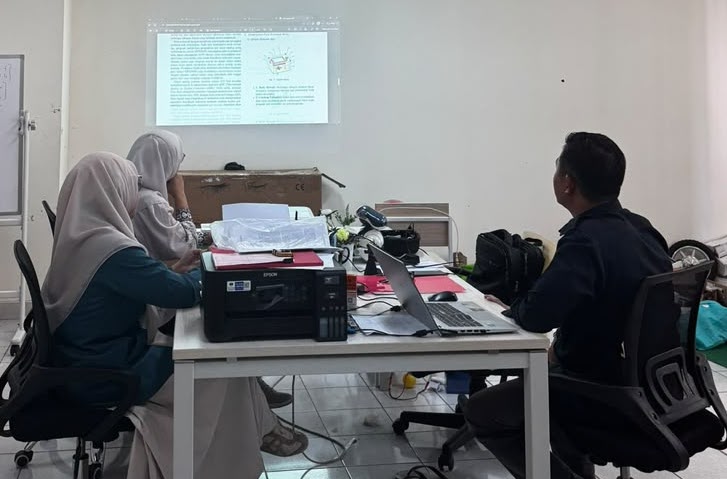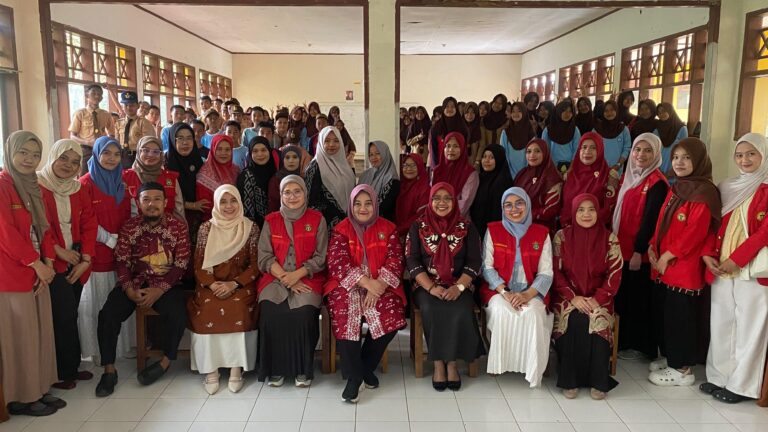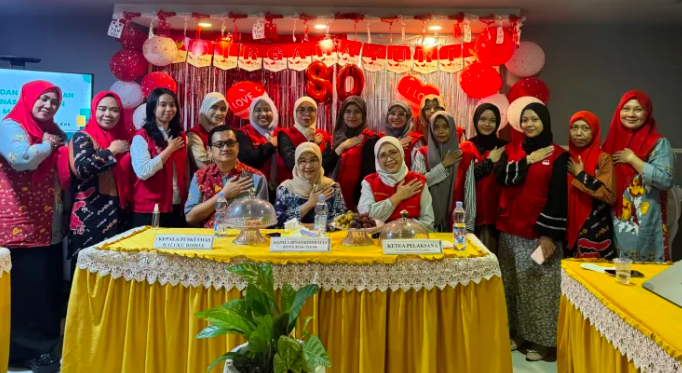

Caring for small babies requires more than clinical knowledge; it also requires confident caregivers, accessible health information, and continuous support from families and communities. Recognizing these needs, a community engagement program entitled “Holistic Intervention for Small Baby Care: Integrating the Maternal and Child Health (MCH) Handbook and Health Coaching to Improve Quality of Care” was conducted at Kaluku Bodoa Community Health Center (Puskesmas Kaluku Bodoa), Makassar on 22–23 August 2025, involving 30 health cadres. The program focused on strengthening the capacity of community health cadres to support parents in providing appropriate and responsive care for small babies.
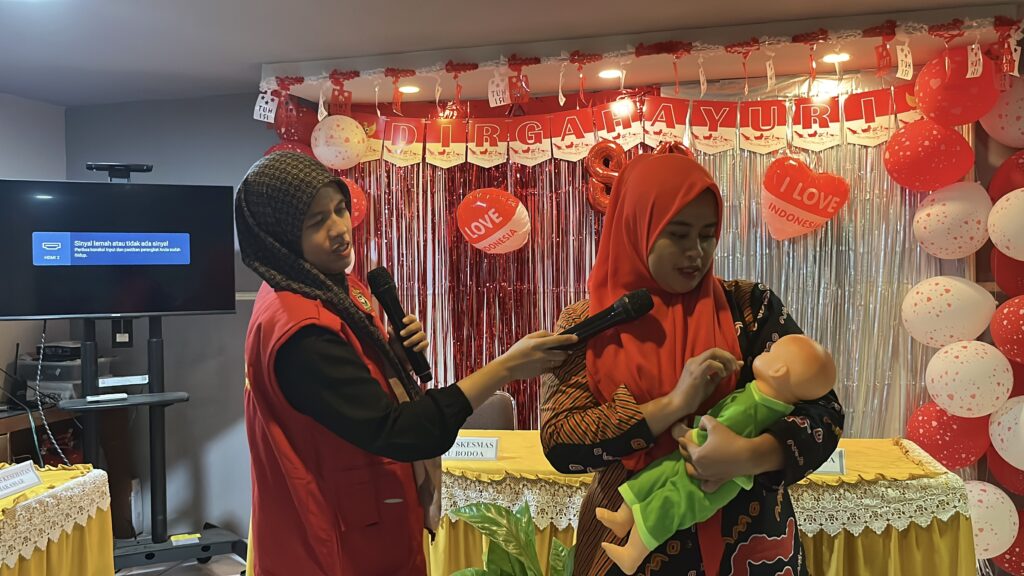
The program introduced an integrated approach that combines the MCH Handbook for small babies with health education using Health Coaching. Rather than positioning cadres solely as providers of health information, this approach strengthened their role as facilitators who can listen to parents’ concerns, identify individual needs, encourage problem-solving, and support informed decision-making. Through this process, cadres were equipped with practical managerial and communication skills to guide families in understanding their babies’ health needs and translating health information into appropriate daily care practices.
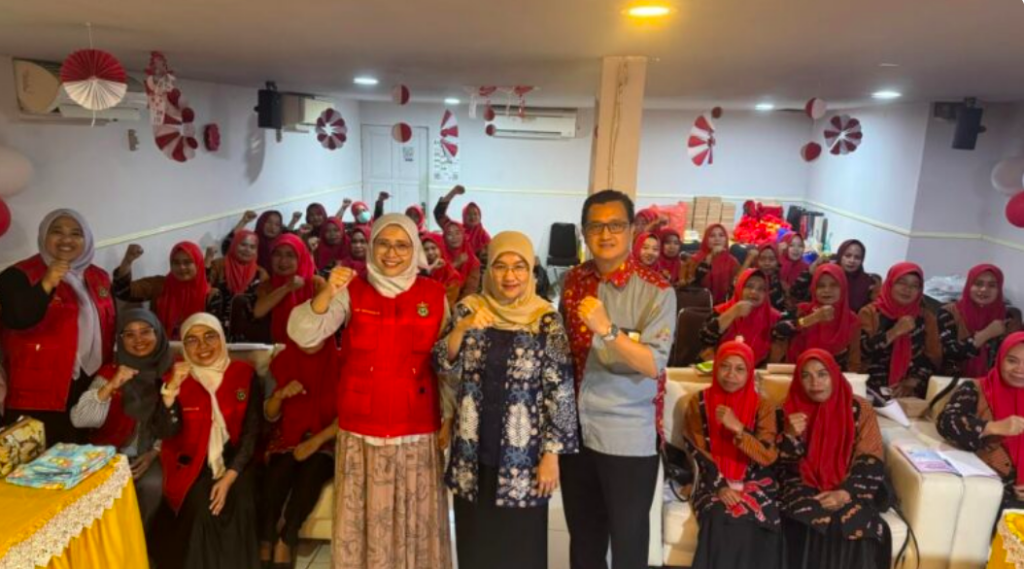
From a social perspective, the program enhanced cadres’ knowledge and skills in using the MCH Handbook as an educational and monitoring resource. The handbook provides parents and health workers with practical information related to the care, growth, development, and health monitoring of small babies. The integration of Health Coaching was designed to make this information more interactive and family-centered, enabling parents to become active participants rather than passive recipients of health advice. This empowerment is particularly important for preventing growth problems and reducing the risk of stunting among vulnerable infants.
To strengthen continuity of support beyond face-to-face activities, an online forum was also established as a support group for mothers of small babies. This forum provides a space for mothers to share experiences, discuss challenges, obtain relevant health information, and maintain communication with cadres. By combining educational resources, coaching skills, and peer support, the program promotes a more sustainable community-based system of care.
This initiative contributes directly to the Sustainable Development Goals (SDGs). It supports SDG 1: No Poverty by strengthening family capacity to prevent health problems that may increase social and economic vulnerability. It advances SDG 3: Good Health and Well-Being through improved care and prevention of growth-related health problems among small babies. It also supports SDG 4: Quality Education by strengthening health literacy and developing cadres’ competencies through structured learning. Finally, SDG 17: Partnerships for the Goals is reflected in the collaboration among health cadres, families, healthcare professionals, and community health services.
Through this holistic intervention, health cadres are expected to become stronger partners for families, empowering parents to make informed decisions, provide appropriate care, and create a supportive environment in which small babies can grow and develop optimally.