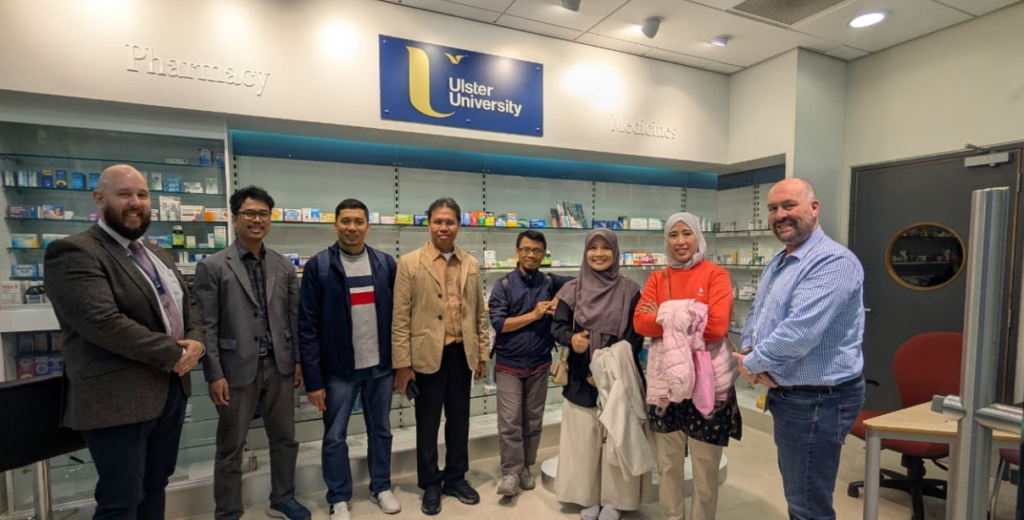
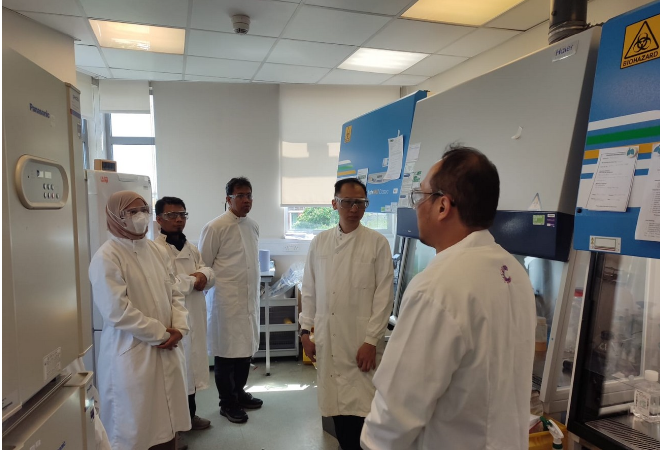
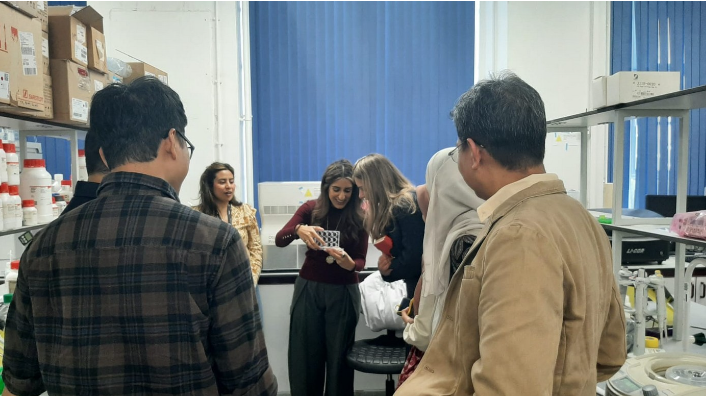
As part of ongoing efforts to strengthen international academic cooperation and expand opportunities for collaborative research, representatives from Hasanuddin University participated in the International Science Partnership Fund (ISPF) Joint Mobility Programme hosted by Ulster University, Northern Ireland, on 14 May 2026. The programme brought together 10 participants, including researchers, academic leaders, and students, to explore strategic partnerships in science, innovation, and higher educati

The main objective of the programme was to develop concrete follow-up plans for joint international research proposals and scientific publications involving researchers from both institutions. The programme also explored opportunities for future academic mobility involving lecturers and students through joint research and educational activities. During the programme, participants engaged in discussions on interdisciplinary research priorities, funding opportunities, publication strategies, and mechanisms for student and staff exchange. These discussions enabled the participants to identify complementary expertise and formulate potential research themes addressing global challenges.
Beyond the formal sessions, the programme provided valuable opportunities for professional networking and cultural exchange. Researchers and students were able to build professional connections, share perspectives on scientific challenges, and explore potential pathways for future collaboration. These interactions are expected to contribute to the development of sustainable partnerships extending beyond individual projects.
The ISPF Joint Mobility Programme also reflects the commitment of both universities to advancing the United Nations Sustainable Development Goals (SDGs), particularly SDG 4: Quality Education, through international learning experiences, collaborative research, and academic mobility, and SDG 17: Partnerships for the Goals, through strategic international collaboration, research cooperation, and knowledge exchange. The programme may also contribute indirectly to SDG 1: No Poverty by supporting knowledge development, innovation, and research collaborations with potential long-term socio-economic benefits
The expected outcomes of the programme include the preparation of joint research proposals, collaborative scientific publications, and the development of future mobility initiatives involving faculty members and students. By strengthening international research networks and fostering sustained institutional collaboration, the ISPF Joint Mobility Programme contributes to the global engagement agenda of higher education institutions and supports the development of impactful, internationally connected scholarship.