MAKASSAR, Indonesia Maret 1 2020/MARGO/ Every ton of shrimp harvested from a super-intensive farm leaves behind a hidden mountain of waste—sludge rich in nutrients that can pollute coastal waters if left untreated. But what if this “waste” was actually a treasure in disguise?
A study published on 1 March 2020 in the IOP Conference Series: Earth and Environmental Science (Publisher: IOP Publishing) titled “The utilizations of solid waste originating from super intensive shrimp farm as organic fertilizers for natural feed productions” reveals a fascinating solution: turning shrimp pond sludge into organic fertilizer that can grow the very food that shrimp and fish eat.
Researchers from Hasanuddin University and the Research Institute for Coastal Aquaculture and Fisheries Extension in Indonesia conducted a clever experiment. They took solid waste from super-intensive shrimp farms—the accumulated organic matter that settles at the bottom of ponds—and used it as fertilizer to grow natural feed for aquaculture. They compared three organic fertilizers: shrimp farm waste, commercial organic fertilizer, and chicken manure. Each was combined with inorganic fertilizers (urea and SP-36) and applied to containers designed to grow plankton and lablab (a mat of algae and microorganisms that serves as natural feed for fish and shrimp).
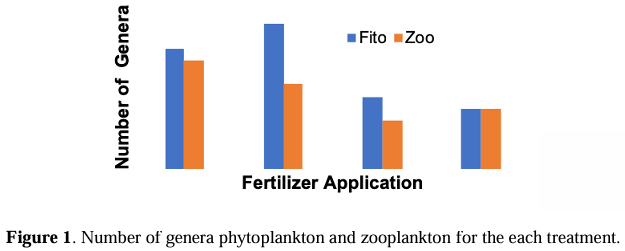
The results were remarkable. The shrimp waste fertilizer (Treatment A) produced the highest abundance of plankton—14,571 individuals per liter—compared to commercial fertilizer (9,489), chicken manure (8,717), and the control with no organic fertilizer (5,066). It also supported the greatest diversity, with 19 genera of plankton identified, compared to only 10 in the control.
When it came to lablab biomass, the shrimp waste fertilizer performed just as well as commercial fertilizer and chicken manure, producing 4.35 grams per 100 square centimeters. The control produced only 2.84 grams.
The message is clear: shrimp farm sludge is not pollution—it is a resource. With its high nutrient content (including nitrogen, phosphorus, and potassium), it can replace expensive commercial fertilizers and reduce the environmental burden of shrimp farming. Instead of releasing nutrient-rich wastewater into coastal ecosystems—where it can cause harmful algal blooms and damage marine life—farmers can recycle this waste back into their production system.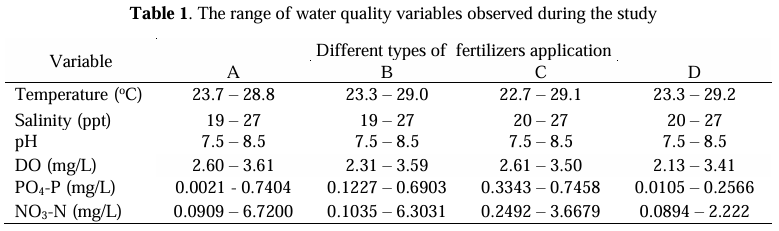
This research directly supports the United Nations’ Sustainable Development Goal 14: Life Below Water. By promoting the recycling of aquaculture waste, it helps reduce marine pollution, protect coastal ecosystems, and support sustainable fisheries. It also contributes to poverty reduction (SDG 1) by lowering production costs for small-scale farmers and creating new value from waste. In a world where resources are increasingly scarce, this simple innovation—turning waste into wealth—offers a glimpse of a more sustainable, circular economy for aquaculture.
Reference
DOI:
https://iopscience.iop.org/article/10.1088/1755-1315/473/1/012110/pdf
Contact:
Prof. Dr. Ir. Ambo Tuwo DEA
+628124206391
ambotuwo62@gmail.com