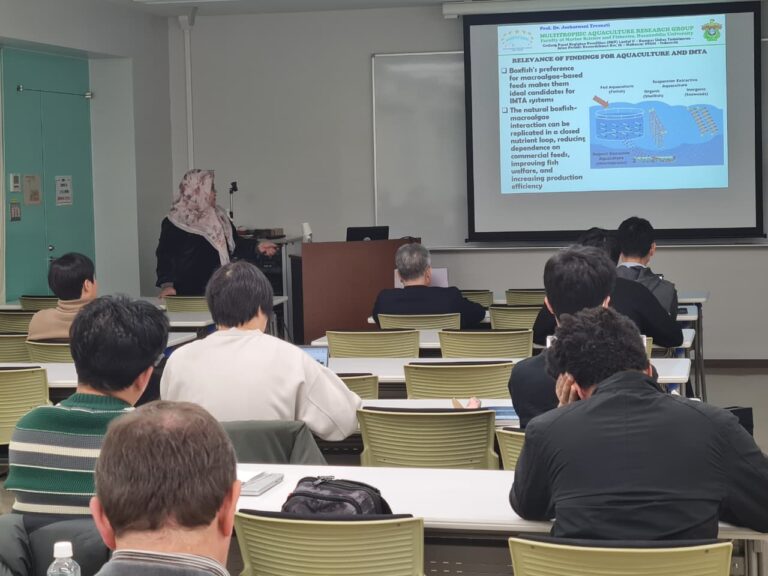
MAKASSAR, Indonesia Mei 1 2021/MARGO/ The brown-marbled grouper (Epinephelus fuscoguttatus) is one of the most lucrative commodities in the global seafood market. Highly prized for its tender meat, live groupers command premium prices that far exceed frozen fish. However, meeting this surging demand through traditional ocean farming presents critical environmental challenges. Intensive fish farming frequently relies on excess feeding, producing massive organic waste that pollutes coastal ecosystems. To tackle this ecological dilemma, researchers are turning to Integrated Multi-Trophic Aquaculture (IMTA)—a sustainable technique that pairs fish with natural bio-filters like seaweed.
In a study published in the IOP Conference Series: Earth and Environmental Science (May 2021) titled “Survival rate of brown-marbled grouper Epinephelus fuscoguttatus cultured with seaweed Gracilaria changii in multitrophic microcosm models,” scientists tested whether co-culturing groupers with the red alga Gracilaria changii could create a self-sustaining indoor ecosystem. By setting up interconnected three-tank microcosm systems using floating and bottom seaweed placement methods alongside seaweed-free control tanks, the team monitored fish survival, feeding habits, and water chemistry over a 47-day cycle.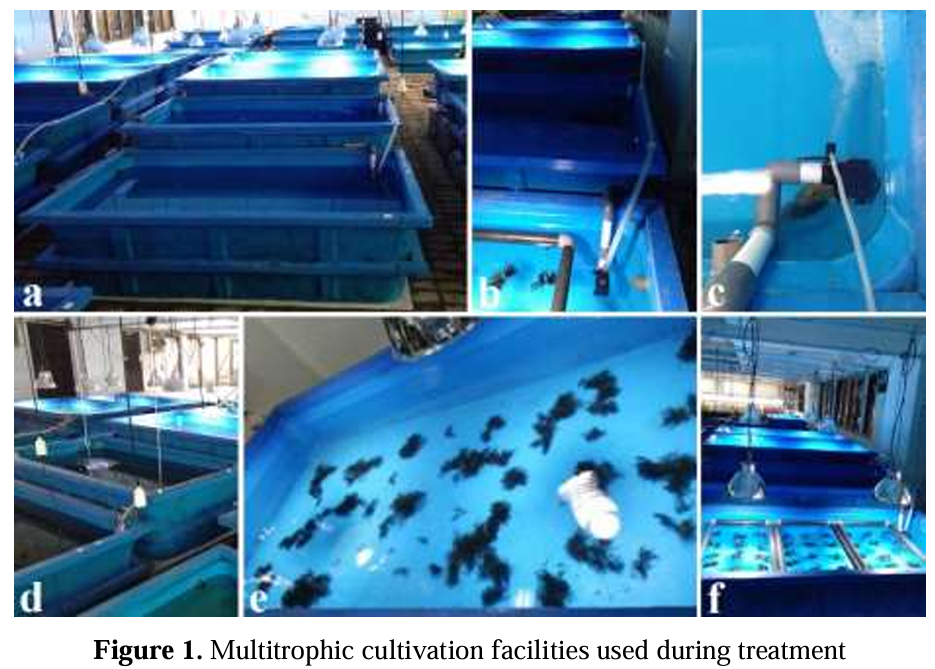
The findings revealed intriguing dynamics within closed aquaculture environments. While groupers in monoculture (control) tanks achieved an average survival rate of 86.67%, fish raised alongside seaweed in multitrophic systems experienced lower, highly variable survival rates ranging between 46.67% and 66.67%. Detailed water quality analyses explained this outcome: while parameters like temperature, dissolved oxygen, and pH remained within acceptable limits, ammonia levels spiked up to 1.255 ppm and phosphate concentrations reached exceptionally high levels. Because fish consumed less than 2% of their body weight daily, unconsumed organic matter decomposed rapidly, overwhelming the closed system’s capacity.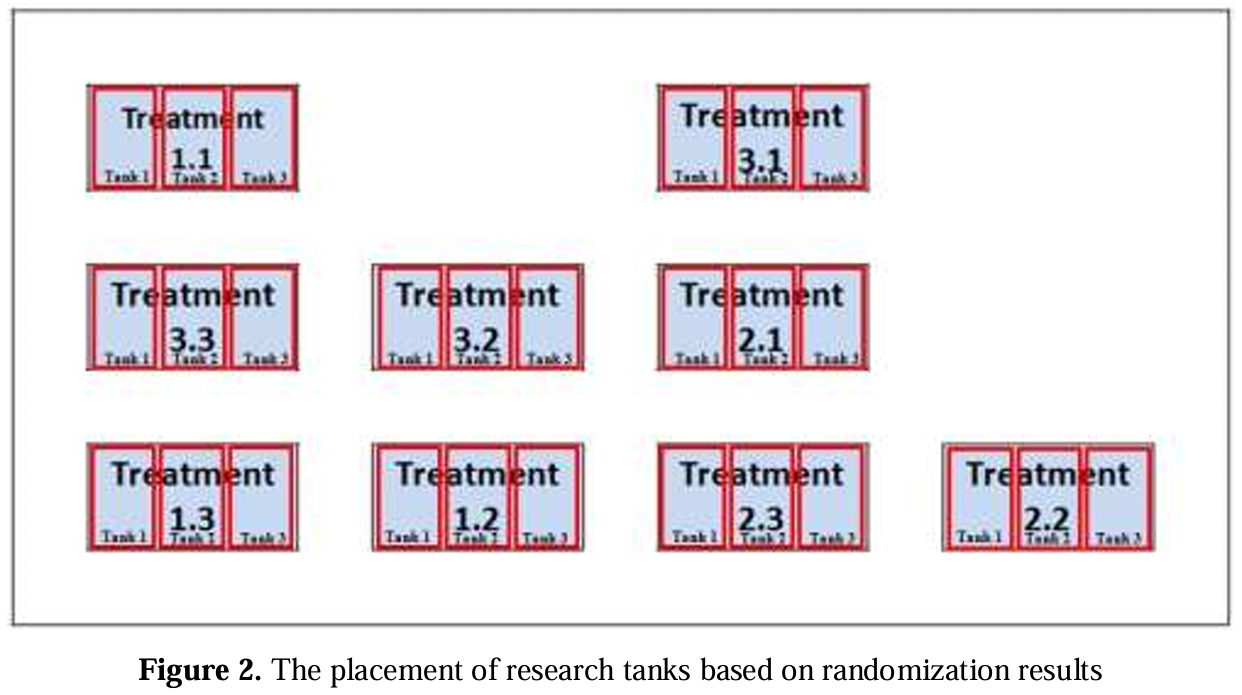
This research directly aligns with SDG 14: Life Below Water, which advocates for conserving marine resources and reducing land-based pollution. The study proves that while seaweed like Gracilaria changii holds great promise as a bioremediator capable of absorbing excess nutrients, indoor closed-loop systems require carefully balanced biological ratios and enhanced filtration to prevent toxic waste accumulation.
By refining these integrated multi-trophic models, marine scientists are paving the way toward circular aquaculture. Scaling up eco-friendly polyculture methods will protect ocean biodiversity, prevent eutrophication, and safeguard coastal communities’ livelihoods, ensuring that high-value marine species can be farmed sustainably for generations to come.
Reference
DOI:
10.1088/1755-1315/763/1/012020
Contact:
Prof. Dr. Ir. Ambo Tuwo DEA
+628124206391
ambotuwo62@gmail.com
Tags