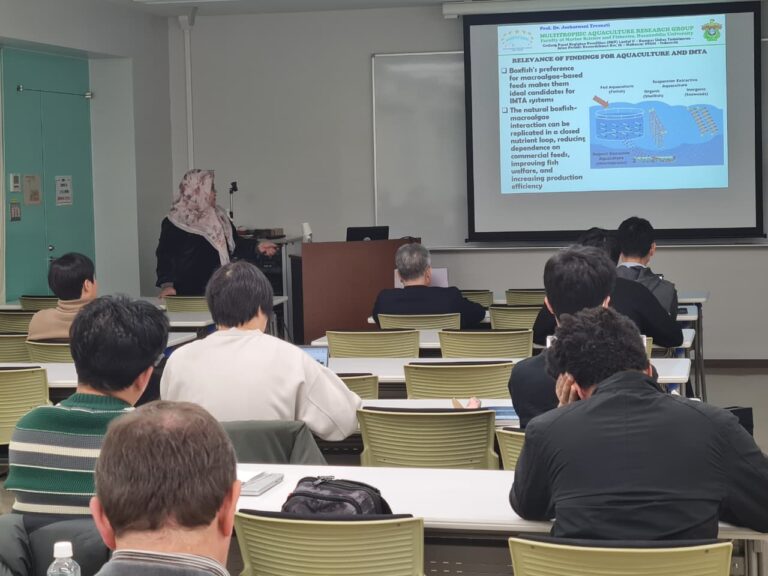
MAKASSAR, Indonesia September 1 2020/MARGO/ Every year, millions of shrimp are harvested from intensive farms across Indonesia. But there is a hidden cost to this success: pollution. Shrimp farms produce massive amounts of organic waste—uneaten feed, feces, and metabolic byproducts—that decompose into toxic compounds like ammonia, nitrite, and nitrate. These chemicals poison the shrimp, degrade water quality, and harm coastal ecosystems.
What if the solution to this pollution was not a costly chemical treatment, but a humble seaweed?
A study published on 1 September 2020 in the IOP Conference Series: Earth and Environmental Science (Publisher: IOP Publishing) titled “Seaweed Gracilaria changii as a bioremediator agent for ammonia, nitrite and nitrate in controlled tanks of Whiteleg Shrimp Litopenaeus vannamei” provides a compelling answer.
Researchers from Hasanuddin University in Indonesia designed a laboratory experiment with three treatments: shrimp cultured without seaweed (Treatment A), shrimp with seaweed added halfway through the experiment at week five (Treatment B), and shrimp with seaweed present from the very beginning (Treatment C). The seaweed used was Gracilaria changii, a red alga commonly grown in brackish water ponds.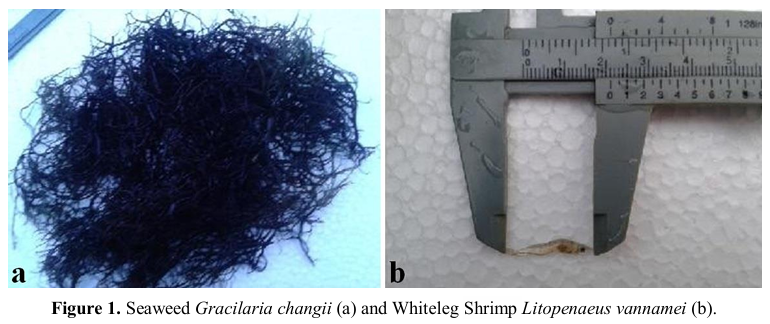
The results were striking. In tanks with seaweed from the start (Treatment C), ammonia concentrations were significantly lower than in tanks without seaweed (Treatment A).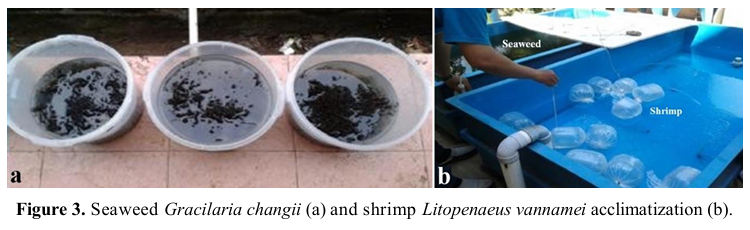
The seaweed absorbed ammonia, converting it into biomass through photosynthesis—essentially turning a toxic pollutant into a valuable resource. Nitrate concentrations, however, increased over time in all treatments, suggesting that the seaweed’s effectiveness as a bioremediator has a limit.
The most practical finding came from the researchers’ recommendation: seaweed works effectively as a bioremediator for about nine weeks. After that, its ability to absorb nitrogen compounds declines. Their solution? Harvest the seaweed at week nine and start a new cycle—meaning two seaweed harvests for every one shrimp production cycle.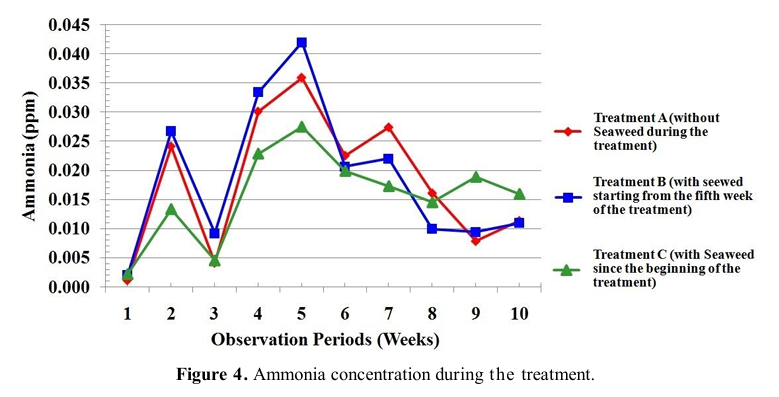
But the benefits went beyond water quality. Shrimp survival rates were higher in treatments with seaweed (B and C) compared to the control (A). Why? The seaweed provided shelter for shrimp during molting—a vulnerable period when they shed their shells and are at risk of cannibalism. The seaweed also served as a natural food source, especially for juvenile shrimp. In other words, the seaweed was not just cleaning the water; it was creating a healthier, safer environment for the shrimp to thrive.
This research directly supports the United Nations’ Sustainable Development Goal 14: Life Below Water. By using seaweed as a natural bioremediator, shrimp farming becomes more sustainable—reducing pollution, protecting coastal ecosystems, and promoting responsible aquaculture. It also contributes to poverty reduction (SDG 1) by helping farmers maintain healthier shrimp stocks and diversify their income with seaweed harvests. In a world where aquaculture is essential for food security but threatens marine environments, this simple innovation offers a path toward cleaner, greener, and more profitable shrimp farming.
Reference
DOI:
https://iopscience.iop.org/article/10.1088/1755-1315/564/1/012059/pdf
Contact:
Prof. Dr. Ir. Ambo Tuwo DEA
+628124206391
ambotuwo62@gmail.com