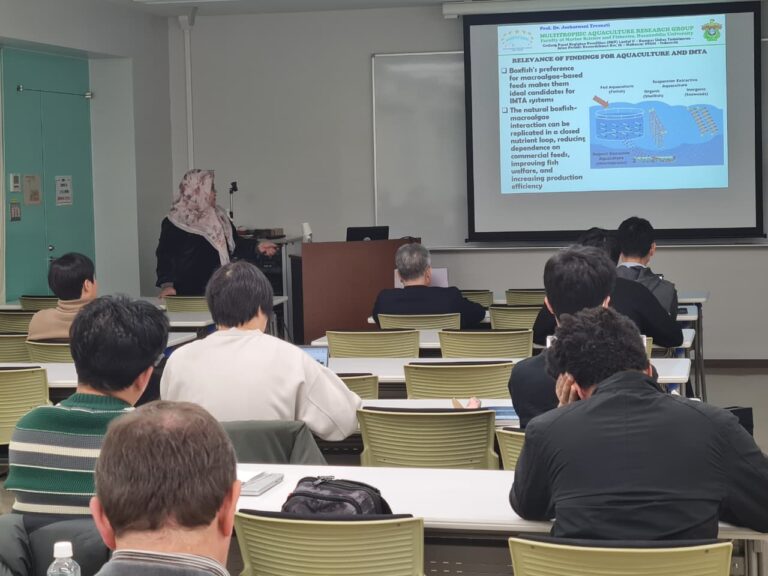
MAKASSAR, Indonesia Oktober 2019/MARGO/ Every day, millions of tons of nutrient-rich wastewater flow into coastal waters from fish farms, agriculture, and urban runoff. This pollution—particularly nitrogen compounds like ammonia, nitrite, and nitrate—triggers a phenomenon called eutrophication, where excessive nutrients cause harmful algal blooms, deplete oxygen, and devastate marine ecosystems. It is a global environmental crisis.
But what if the solution to this pollution was not a costly engineering project, but a humble green seaweed?
A study published in October 2019 in the International Journal of Environment, Agriculture and Biotechnology titled “Nitrogen Preference for Growth Rate of Ulva reticulata cultivated in Eutrophied Coastal Waters: A Seaweed Laboratorium Testing Experiment” reveals a fascinating discovery about a common seaweed’s appetite for pollution.
Researchers from Hasanuddin University in Indonesia collected Ulva reticulata—a green seaweed commonly found in tropical coastal waters—and placed it in tanks filled with filtered seawater from the eutrophic western coast of South Sulawesi. The water contained all three forms of nitrogen: ammonia (NH₃), nitrite (NO₂), and nitrate (NO₃), in a ratio of 1.0 : 2.4 : 3.3. The experiment ran for 20 days without any water exchange, meaning the seaweed had to survive on whatever nutrients were initially present.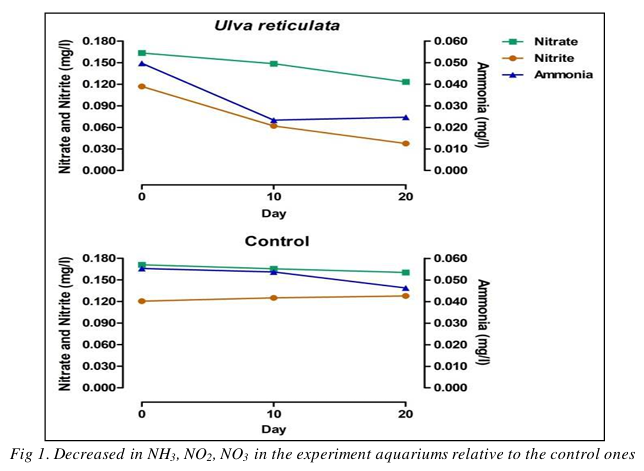
The results were eye-opening. The seaweed grew at an impressive average rate of 15.40% per day. But the most striking finding was which form of nitrogen the seaweed preferred. Ulva reticulata consumed nitrite (NO₂) at an average rate of 4.58 micrograms per liter per day—more than it consumed ammonia (2.70 μg/l/day) or nitrate (1.98 μg/l/day). In other words, this humble seaweed showed a clear preference for the most toxic form of nitrogen. This is not just a scientific curiosity—it is a potential environmental superpower.
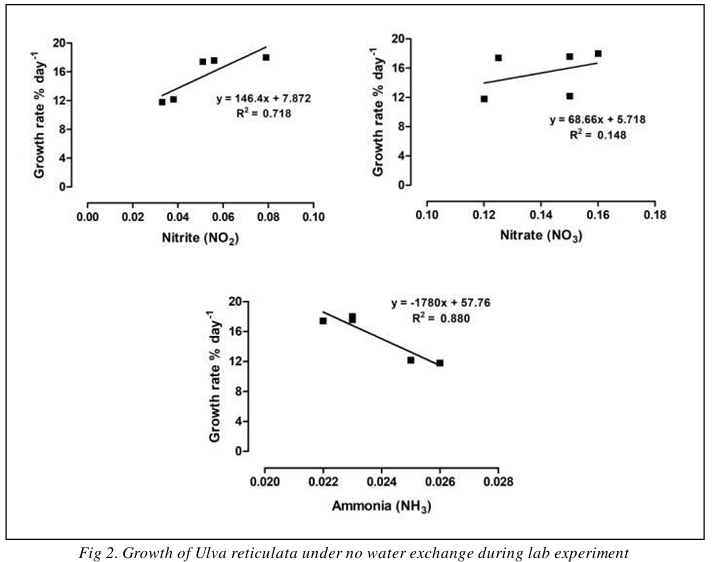
Why does this matter? Because nitrite is often the most dangerous form of nitrogen in polluted waters, toxic to fish and other marine life at relatively low concentrations. By preferentially absorbing nitrite, Ulva reticulata could serve as a natural biofilter, cleaning coastal waters while simultaneously producing valuable biomass for food, feed, or fertilizer.
This research directly supports the United Nations’ Sustainable Development Goal 14: Life Below Water. By demonstrating the capacity of seaweed to absorb harmful nutrients from eutrophic waters, it offers a nature-based solution to coastal pollution—reducing the need for expensive chemical treatments and protecting marine biodiversity. Furthermore, seaweed farming provides sustainable livelihoods for coastal communities, contributing to poverty reduction (SDG 1) and supporting responsible consumption and production (SDG 12). In a world facing both pollution crises and food security challenges, this green seaweed might just be the unlikely hero we need.
Reference
DOI:
http://dx.doi.org/10.22161/ijeab.4422
Contact:
Prof. Dr. Ir. Ambo Tuwo DEA
+628124206391
ambotuwo62@gmail.com