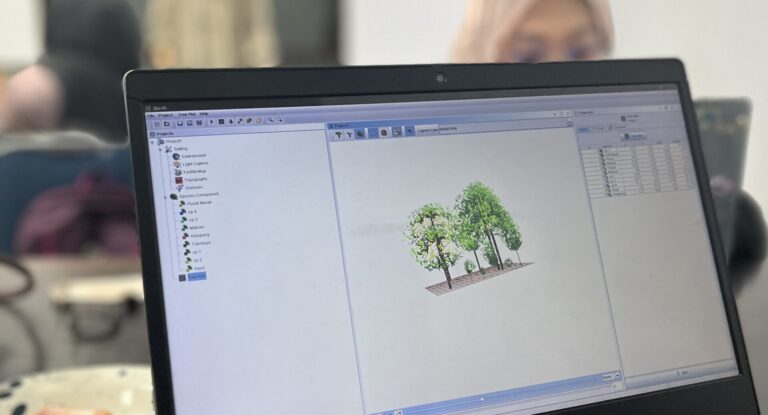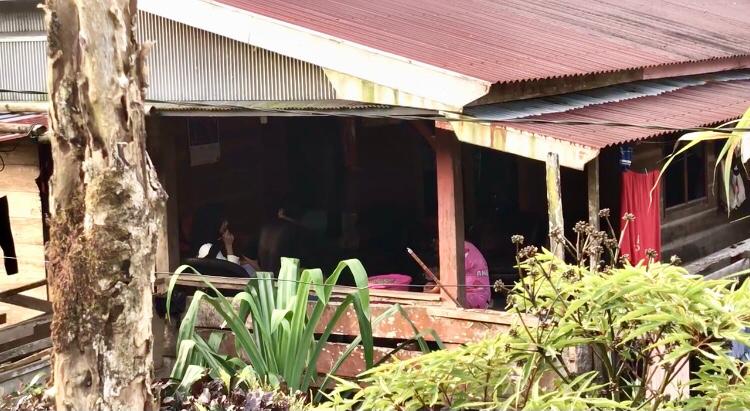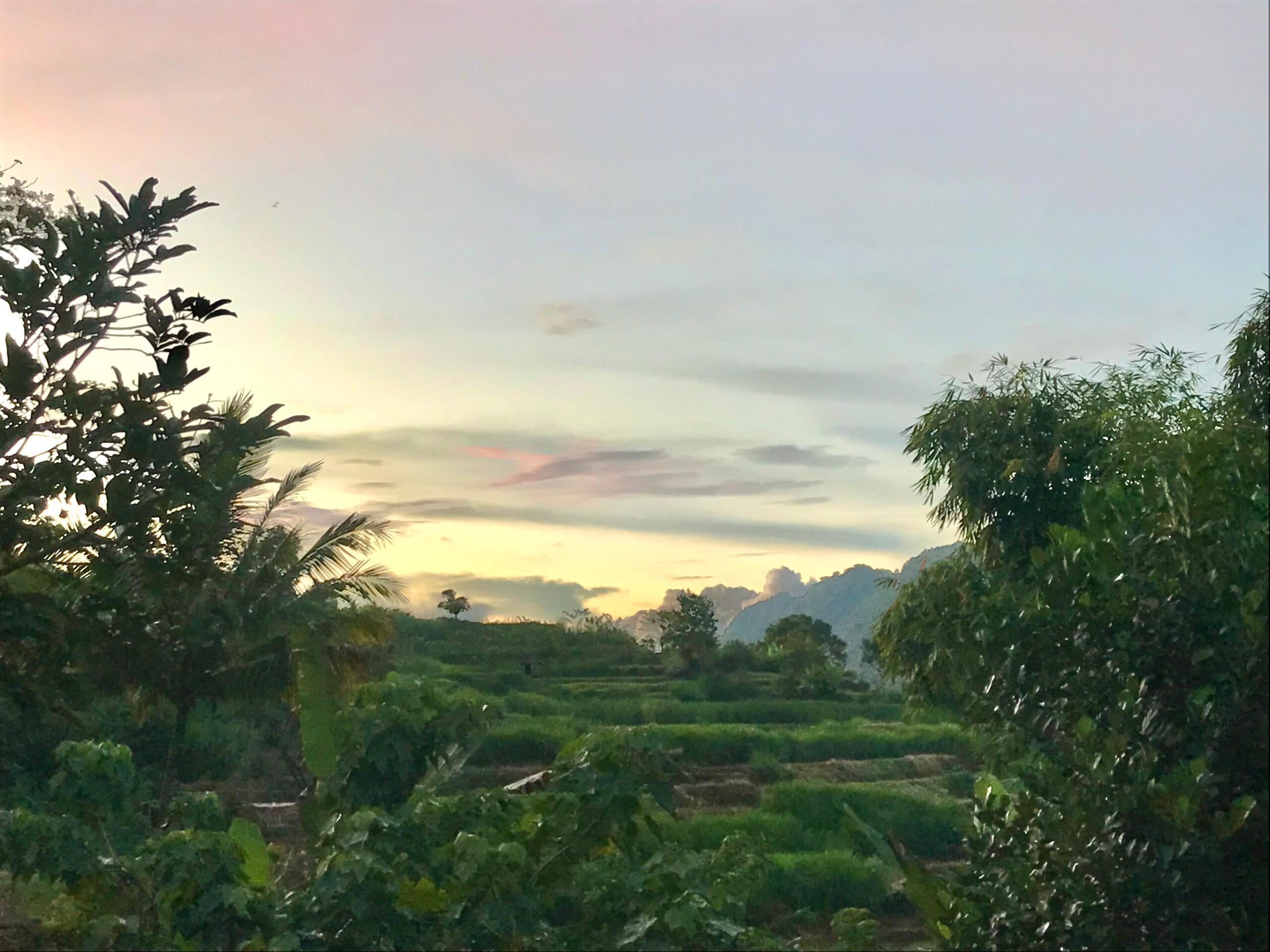

Efforts to address environmental degradation and socio-economic challenges in rural Indonesia require integrated and adaptive approaches. In response to this need, TRG Multifor Universitas Hasanuddin conducted a field-based program titled “Landscape Structure Arrangement for Multifunctional Management in Social Forestry Areas” in Laiya Village, Maros Regency, South Sulawesi. This activity represents a strategic step toward understanding how landscape management can be aligned with local livelihoods (lifescape) to promote sustainability and resilience.
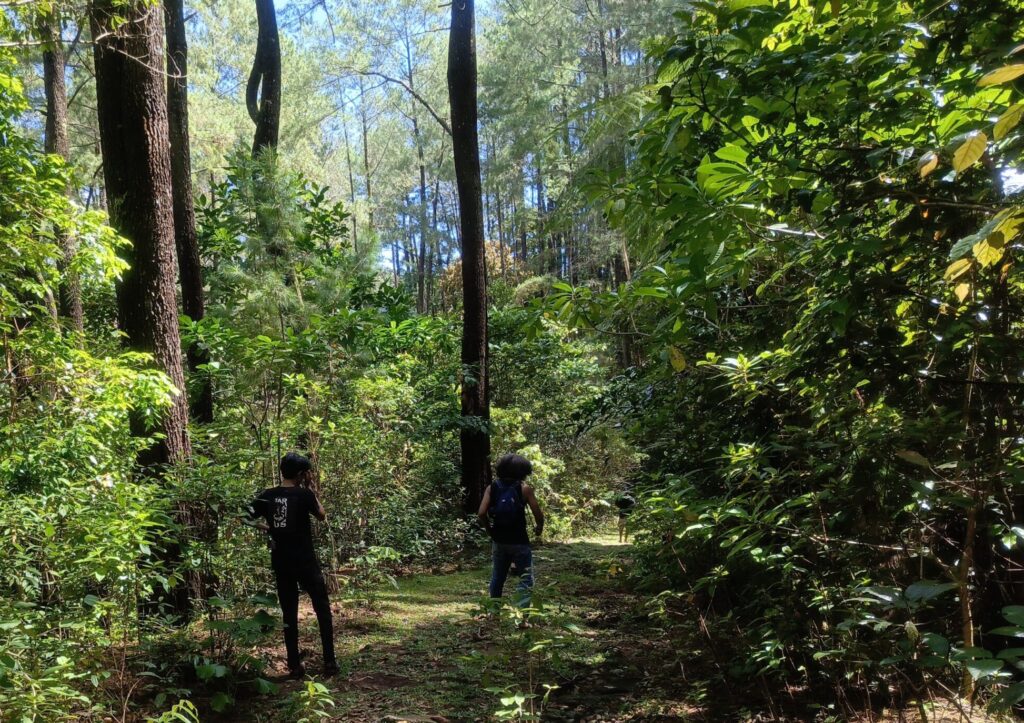
Implemented from May–July 2025, and involving 52 participants (respondents), this initiative focused on analyzing the compatibility between multifunctional landscape management and community-based economic activities within social forestry areas. The study area, characterized by its ecological significance and dependence of local communities on forest resources, provides an important context for examining sustainable land-use practices.
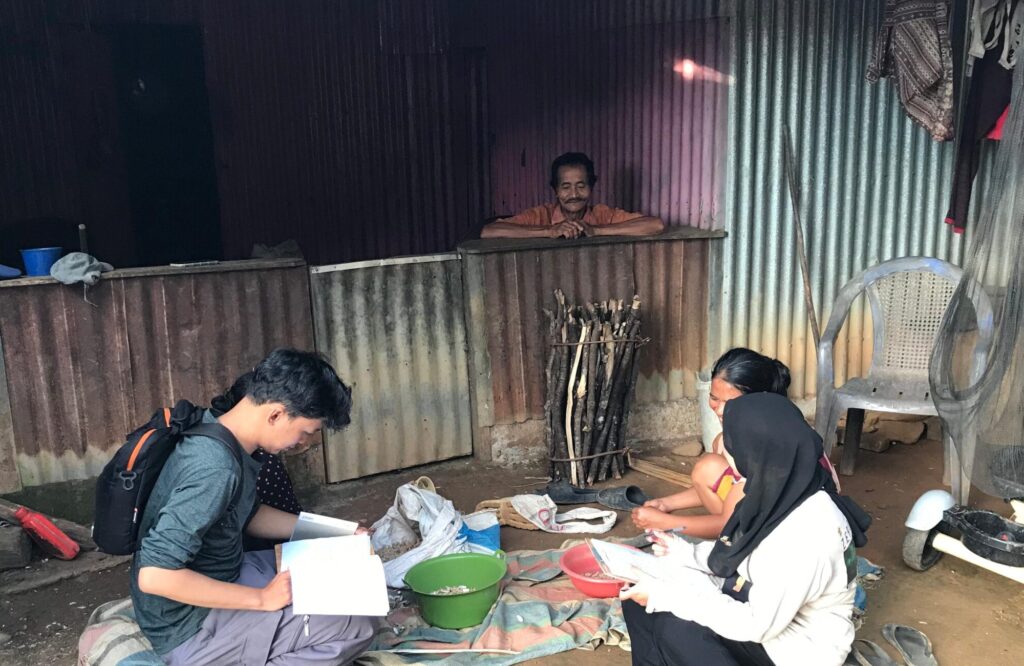
The activity applied a participatory and analytical approach, combining field observations, stakeholder interviews, and landscape mapping. Participants, consisting of local community members and stakeholders, contributed valuable insights into existing land-use patterns, livelihood strategies, and environmental challenges. The findings revealed that while social forestry has opened access for communities to manage forest resources, there remains a gap in integrating ecological sustainability with economic needs.
This initiative strongly aligns with several Sustainable Development Goals (SDGs), particularly SDG 1: No Poverty, SDG 4: Quality Education, and SDG 17: Partnerships for the Goals. Through its focus on improving livelihood strategies, the program contributes to poverty alleviation (SDG 1) by identifying sustainable income-generating opportunities linked to landscape management. Furthermore, the process of community engagement and knowledge sharing enhances local capacity and awareness, supporting lifelong learning and environmental education (SDG 4). Equally important, the collaboration between researchers, local communities, and institutional actors reflects the spirit of partnership (SDG 17), which is essential for achieving long-term sustainability outcomes.
In addition, the activity indirectly supports SDG 15: Life on Land, as it promotes better forest management practices aimed at reducing deforestation and land degradation. By identifying multifunctional landscape structures, the initiative encourages the restoration and conservation of terrestrial ecosystems while ensuring that communities can continue to derive economic benefits responsibly.
The results of this activity highlight the importance of integrating ecological, social, and economic dimensions in landscape management. A multifunctional approach allows for a more balanced use of land, where conservation efforts and livelihood needs are not seen as competing interests but as complementary components of sustainable development.
In conclusion, this initiative serves as a valuable model for strengthening social forestry practices in Indonesia. By fostering collaboration, enhancing local knowledge, and promoting adaptive management strategies, it contributes not only to environmental sustainability but also to community well-being. Moving forward, such integrated approaches are essential for addressing complex challenges such as deforestation, land degradation, and rural poverty in a holistic and inclusive manner.