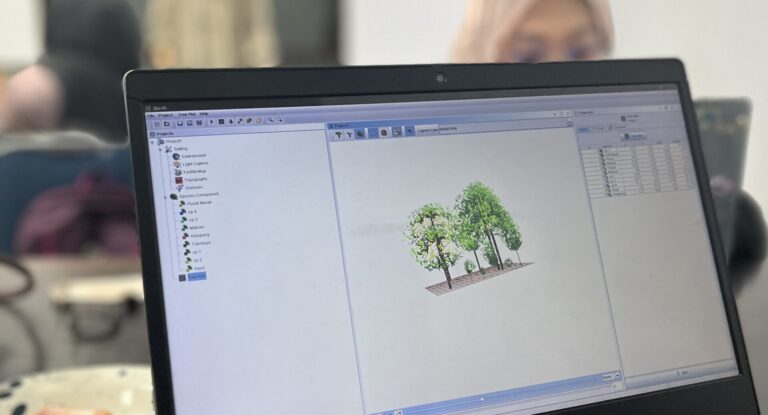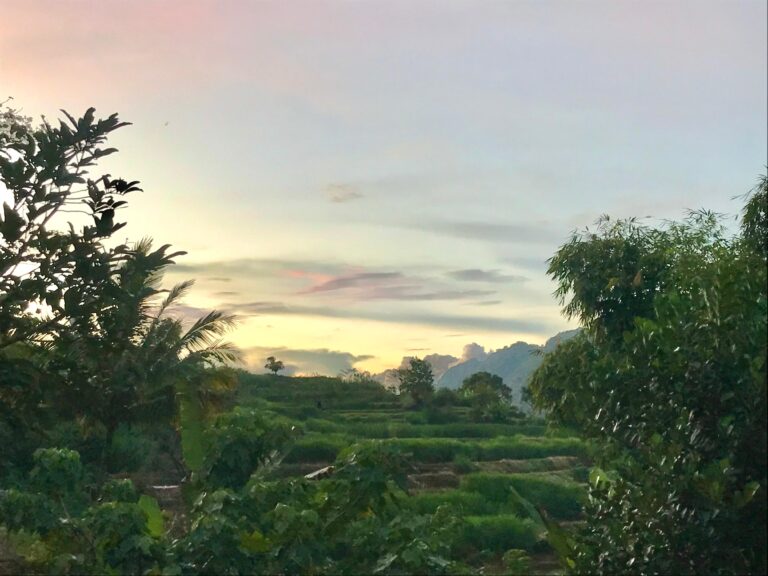

TRG Multifor Universitas Hasanuddin conducted a field-based initiative titled “Beyond Subsistence: How Livelihood Assets Shape Farmers’ Crop Preferences in Community Forest Areas” in Laiya Village, Maros Regency, South Sulawesi. This program represents a strategic effort to strengthen Community Forest (HKm) management by integrating socio-economic dimensions into sustainable land-use planning, enabling forest-dependent communities to move beyond subsistence toward long-term resilience and sustainability in practice across diverse rural contexts.
Efforts to improve rural livelihoods in forest areas require a deeper understanding of farmers’ decision-making processes. In response, this activity aimed to analyze how livelihood assets—particularly financial and physical capital—influence crop preferences in community forest areas. By examining these dynamics, the initiative supports the development of optimal and context-based forest management prescriptions.
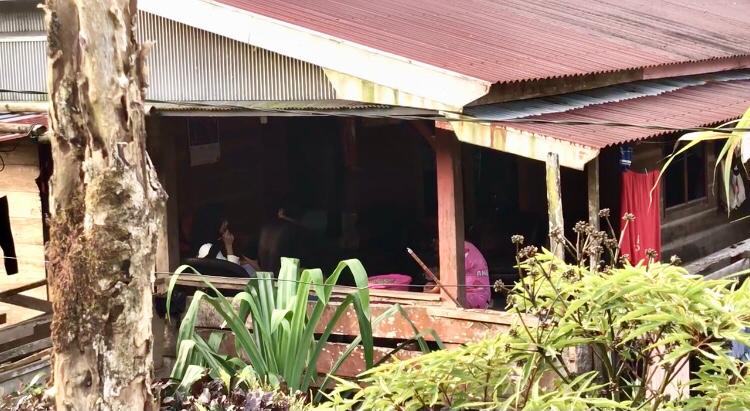
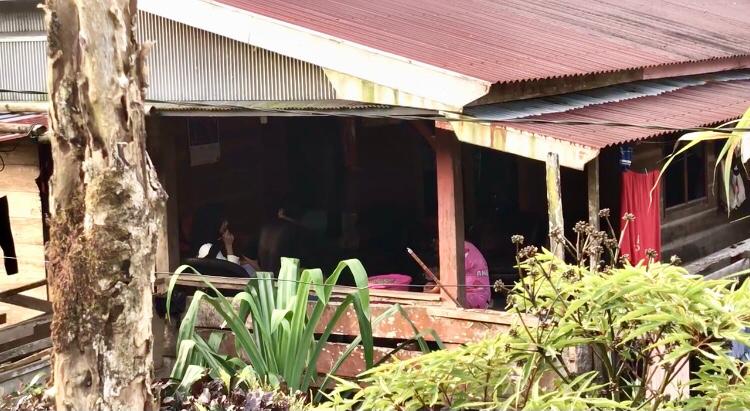
Implemented from May–July 2025, and involving 29 respondents, the study applied a participatory and analytical approach through structured interviews, field observations, and socio-economic assessments. The study area reflects a typical HKm landscape where livelihoods are closely tied to forest resources, providing a relevant context for analyzing the relationship between asset ownership and land-use decisions.
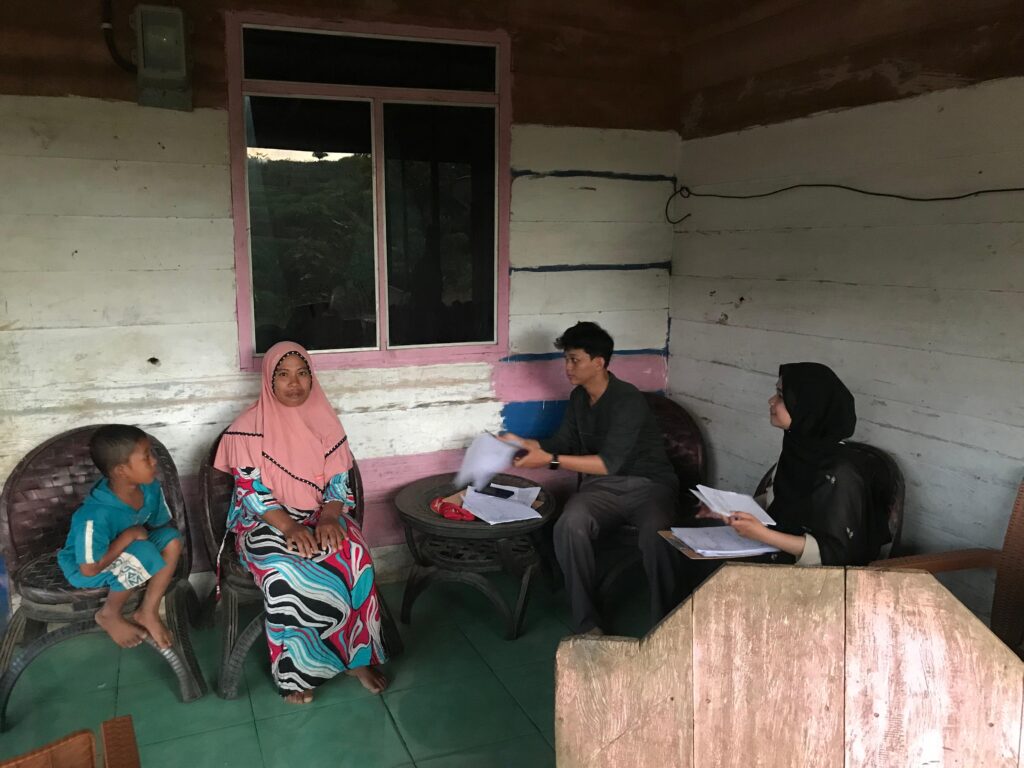
The findings show that farmers’ crop choices are strongly influenced by access to financial resources, infrastructure, and physical assets. Farmers with better access to capital tend to invest in higher-value crops with long-term benefits, while those with limited resources prioritize short-term, subsistence-oriented crops. This highlights how livelihood assets shape not only economic outcomes but also the sustainability of land management practices.
This initiative adopts a multi-aspect perspective by integrating ecological, economic, and social dimensions. Such an approach enables the formulation of adaptive and practical strategies that improve productivity while maintaining environmental balance. Community forest management, therefore, becomes both a conservation effort and a pathway for inclusive rural development.
The program aligns with several Sustainable Development Goals (SDGs), particularly SDG 1: No Poverty, SDG 4: Quality Education, and SDG 17: Partnerships for the Goals. By identifying opportunities to enhance income generation, the initiative contributes to poverty reduction (SDG 1). Through participatory processes and knowledge exchange, it also strengthens community capacity and supports lifelong learning (SDG 4). Furthermore, collaboration between researchers, communities, and stakeholders reflects the importance of partnerships in achieving sustainable outcomes (SDG 17).
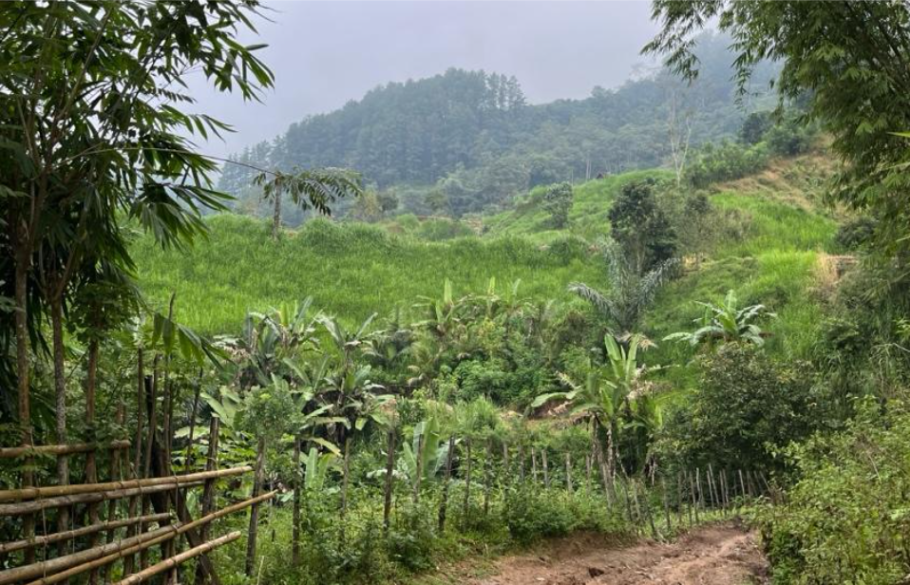
In addition, the activity supports SDG 15: Life on Land, as it promotes sustainable land-use practices and contributes to reducing land degradation within community forest areas.
In conclusion, this initiative demonstrates that moving beyond subsistence requires an integrated understanding of livelihood systems and environmental conditions. Through evidence-based analysis and community engagement, TRG Multifor Universitas Hasanuddin provides practical insights for developing optimal forest management strategies. This approach not only strengthens local livelihoods but also supports the sustainable management of forest resources in Indonesia.