
Efforts to strengthen sustainable forest management increasingly require the integration of digital tools and scientific approaches. As forest ecosystems become more complex under environmental pressures, the need for precise and data-driven planning methods is more critical than ever. Understanding tree growth space and interactions among trees is essential for optimizing stand structure, reducing competition, and improving long-term forest productivity.
Digital-Based Canopy Projection: Training on the Use of the Sexi-FS Application
TRG Multifor Universitas Hasanuddin conducted a capacity-building activity titled “Digital-Based Canopy Projection: Training on the Use of the Sexi-FS Application” at the Lecturer Room, 2nd Floor, GB 204, Faculty of Forestry, Universitas Hasanuddin. This initiative reflects a commitment to strengthening technical knowledge and digital skills in forestry, particularly in understanding stand dynamics as a foundation for sustainable forest planning.
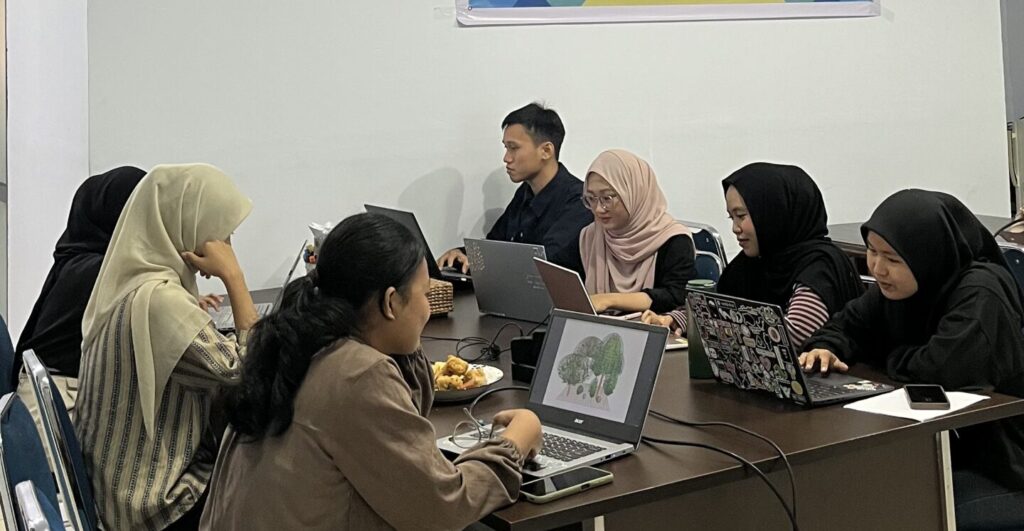
The activity was conducted on 29 January 2026, involving 22 participants consisting of students and individuals interested in forestry and environmental management. The session was delivered by Vega Amelia (Student of the Faculty of Forestry, Silviculture Laboratory) and moderated by Ainun Mardiyah (Learning Space Indonesia Team). The training combined theoretical explanations with hands-on practice, allowing participants to directly explore the application’s features and functionalities.
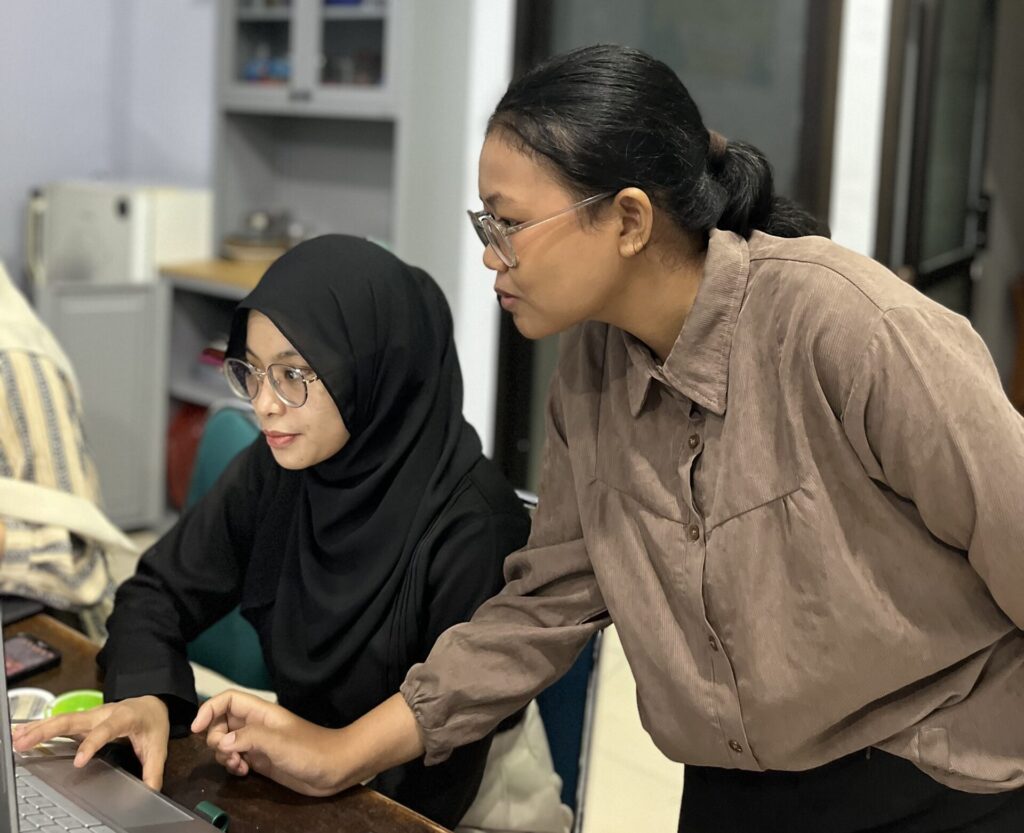
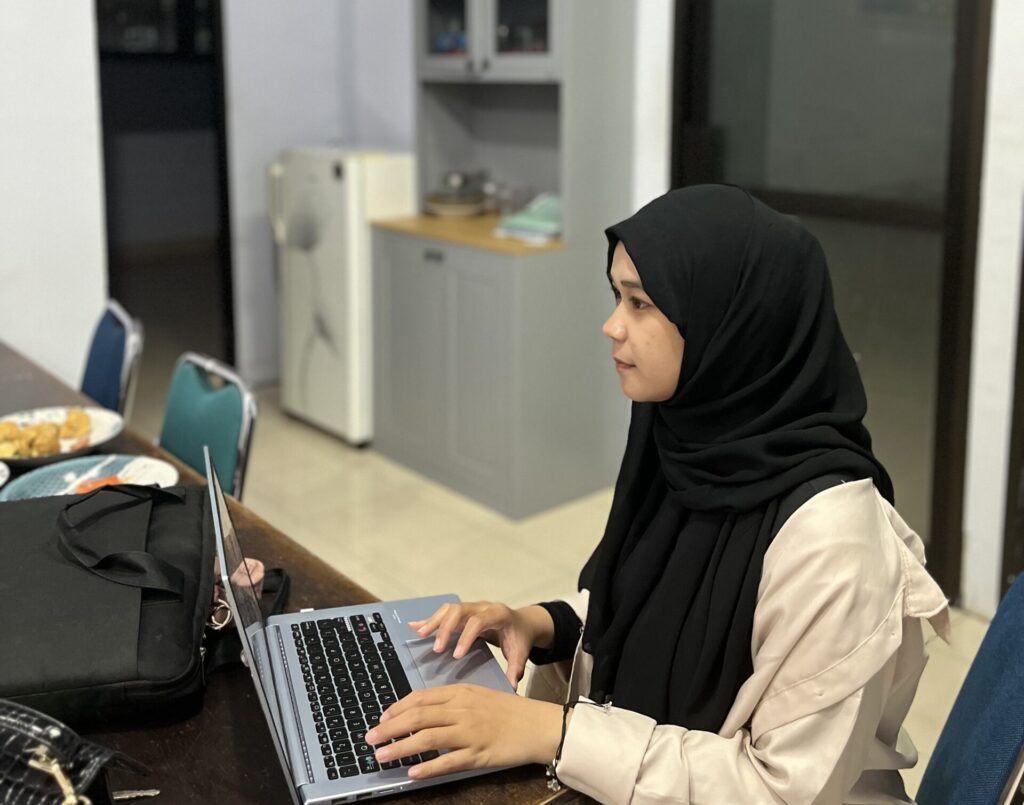
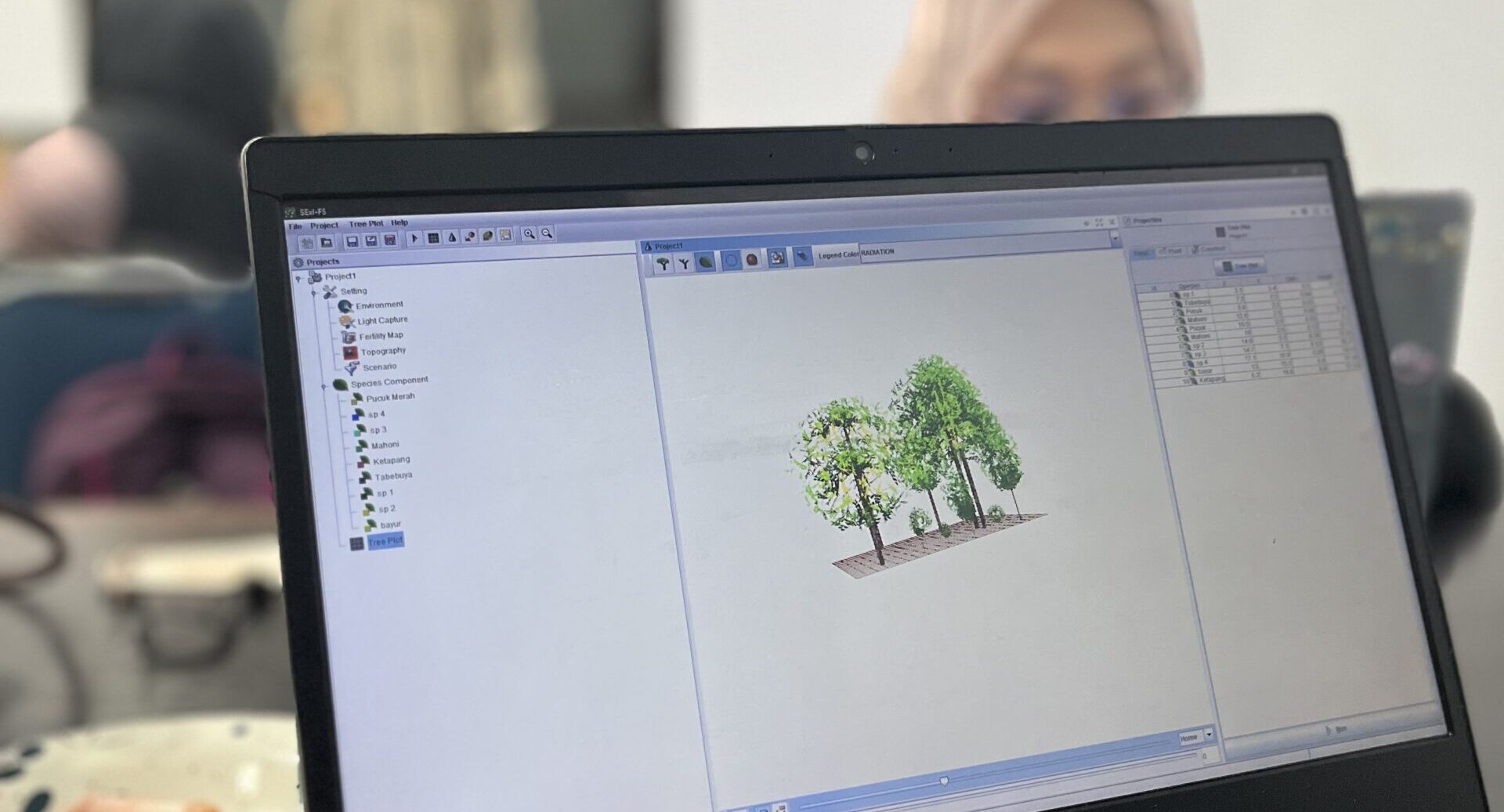
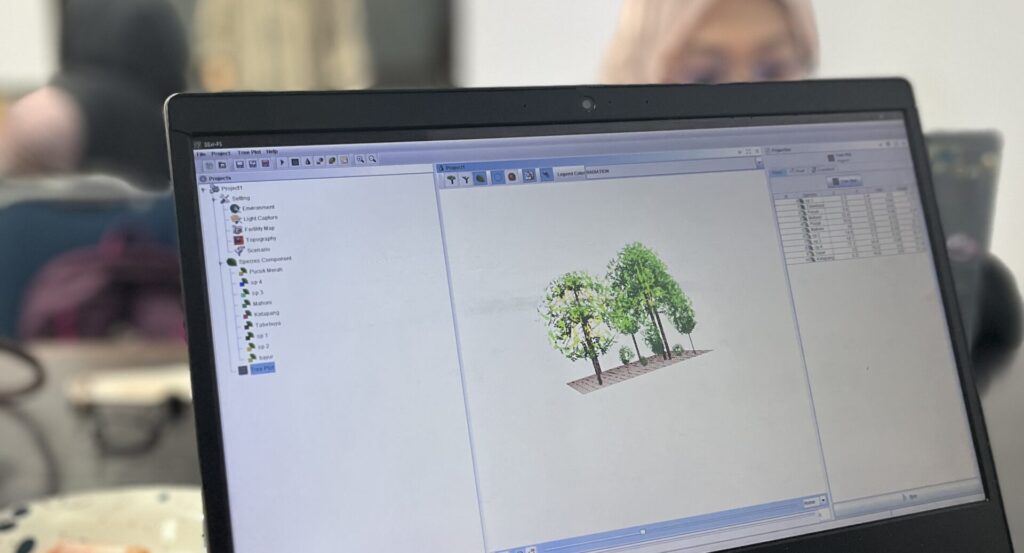
During the session, participants were introduced to key concepts such as canopy structure, spatial distribution, and competition among trees. These concepts were translated into practical exercises using the Sexi-FS application, enabling participants to simulate canopy projections and analyze tree interactions under different scenarios. This approach enhanced technical understanding and demonstrated how digital tools support evidence-based decision-making in forest management.
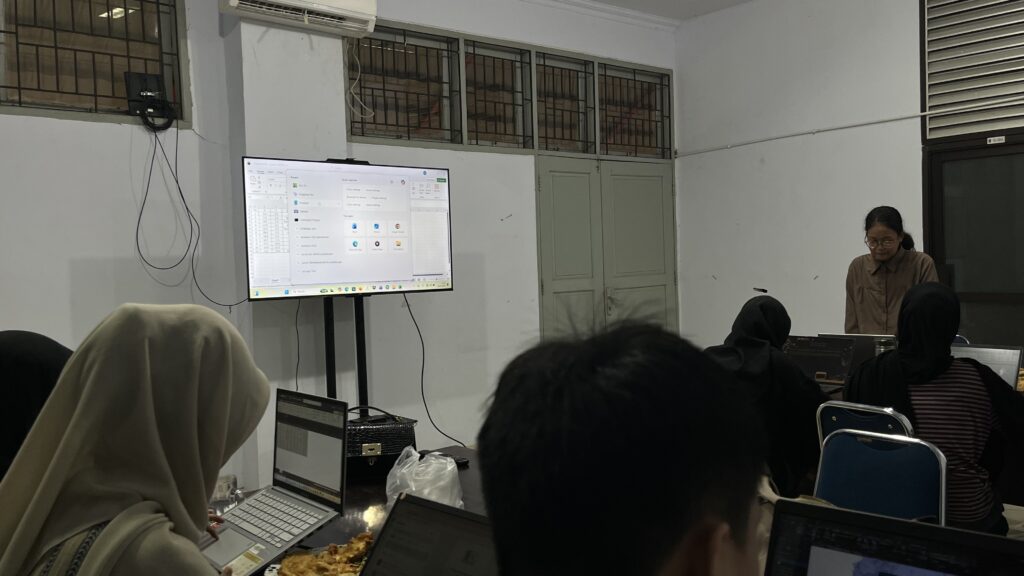
The training emphasized the importance of integrating technological innovation into forestry practices. By utilizing digital applications, future forest managers and practitioners can improve planning accuracy, reduce uncertainty, and design more sustainable forest systems. Participants showed strong enthusiasm, actively engaging in discussions and practical sessions, reflecting a growing interest in digital forestry approaches.
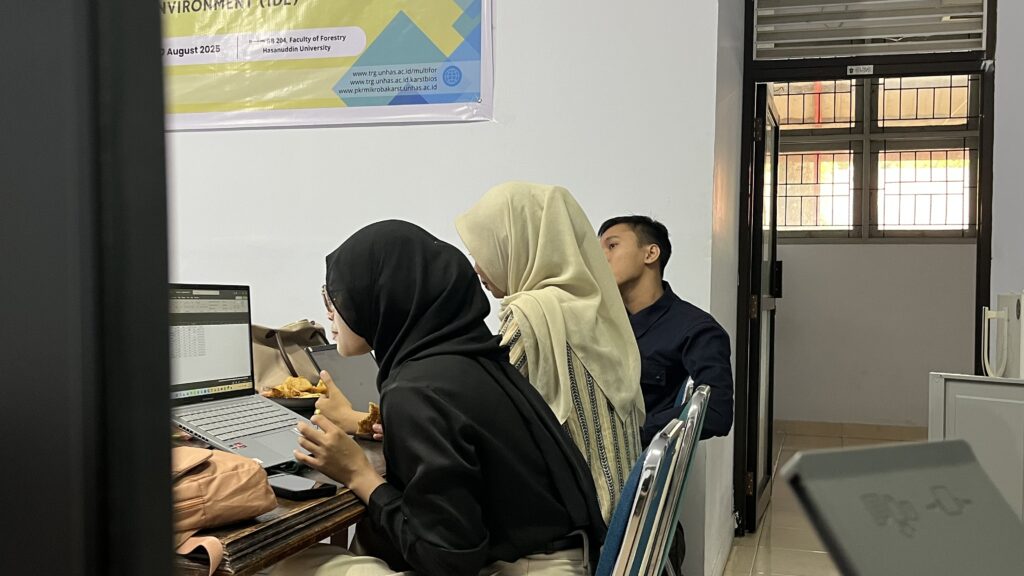
This initiative aligns with several Sustainable Development Goals (SDGs), particularly SDG 1: No Poverty, SDG 4: Quality Education, and SDG 17: Partnerships for the Goals. By enhancing technical skills and knowledge, the program contributes to improving human capital, which supports economic opportunities and poverty reduction (SDG 1). The training also promotes inclusive and quality education through practical, skill-based learning (SDG 4). Furthermore, collaboration between TRG Multifor, academic contributors, and community learning platforms highlights the importance of partnerships in achieving sustainable development (SDG 17).
In addition, the activity supports SDG 15: Life on Land, as it promotes sustainable forest management through improved understanding of tree interactions and spatial planning. The application of digital tools such as Sexi-FS contributes to better forest structure management, supporting ecosystem health and resilience.
In conclusion, this training demonstrates the importance of digital innovation in forestry education and practice. Through interactive learning and practical application, participants gained valuable insights into canopy dynamics and sustainable planning strategies. TRG Multifor Universitas Hasanuddin continues to foster knowledge exchange and skill development to support sustainable forest management and prepare future forestry professionals.