
FGD Research Collaboration in Semiconductor: Building Ideas for Future Innovation
The FGD Research Collaboration in Semiconductor was organized as a focused academic forum aimed at fostering collaborative thinking and generating innovative research ideas in the field of semiconductor science and technology. Conducted on 22 October 2025 through a Zoom Meeting platform, this activity brought together 17 participants in an intensive and interactive discussion environment that emphasized intellectual exchange and strategic research planning.
The primary objective of this Focus Group Discussion (FGD) was to collect, refine, and align research ideas that can contribute to the advancement of semiconductor materials and their applications. As semiconductor technology continues to play a critical role in modern society—powering everything from communication devices to environmental monitoring systems—this initiative sought to identify emerging research directions that are both scientifically relevant and socially impactful.
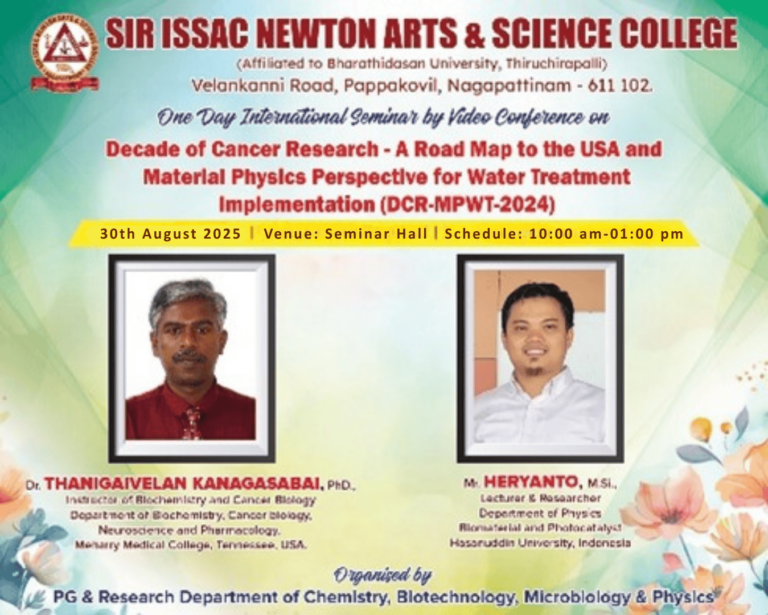
A key strength of the discussion was the involvement of Dr. K. Veeravelan as an international partner, whose expertise provided a global perspective on semiconductor research trends and collaborative opportunities. The session also actively engaged young researchers, including Vicram Setiawan and Andi Akmal, who contributed fresh insights and innovative ideas, highlighting the importance of nurturing early-career scientists in global research ecosystems.
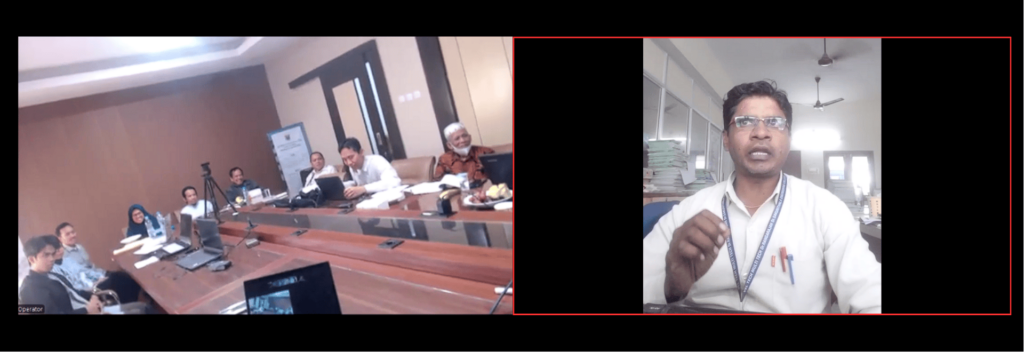
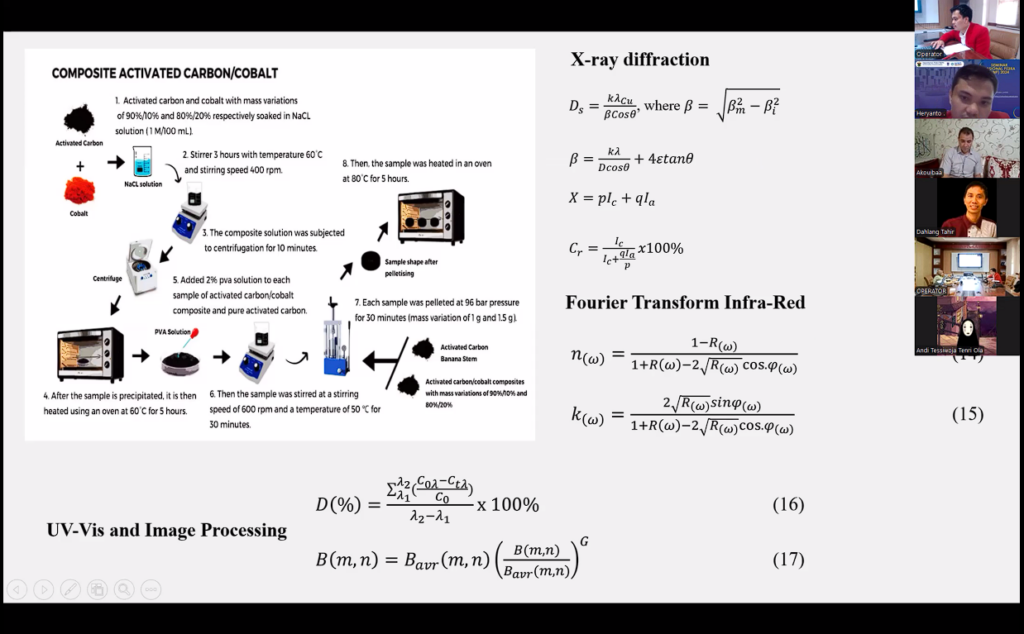
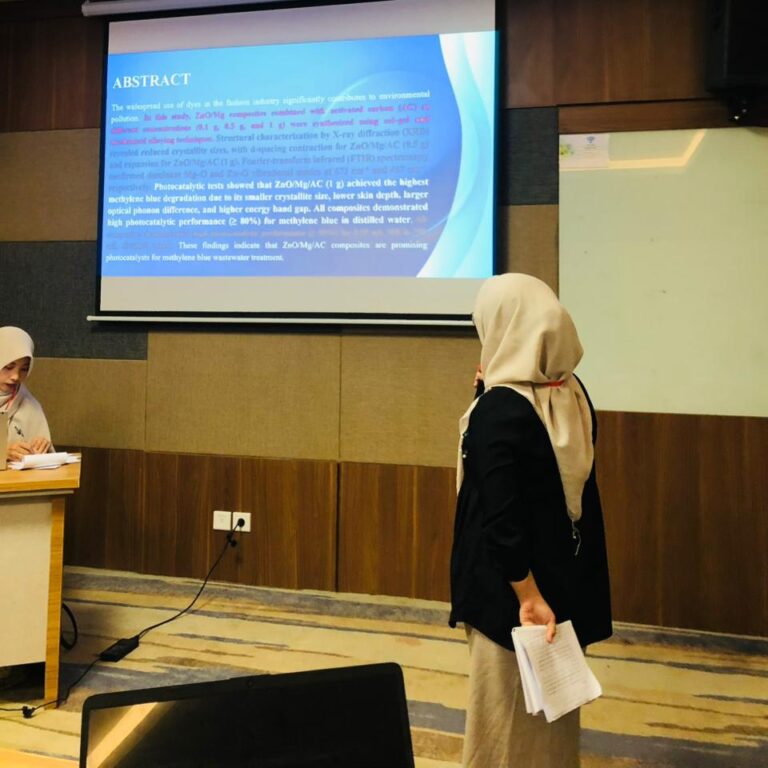
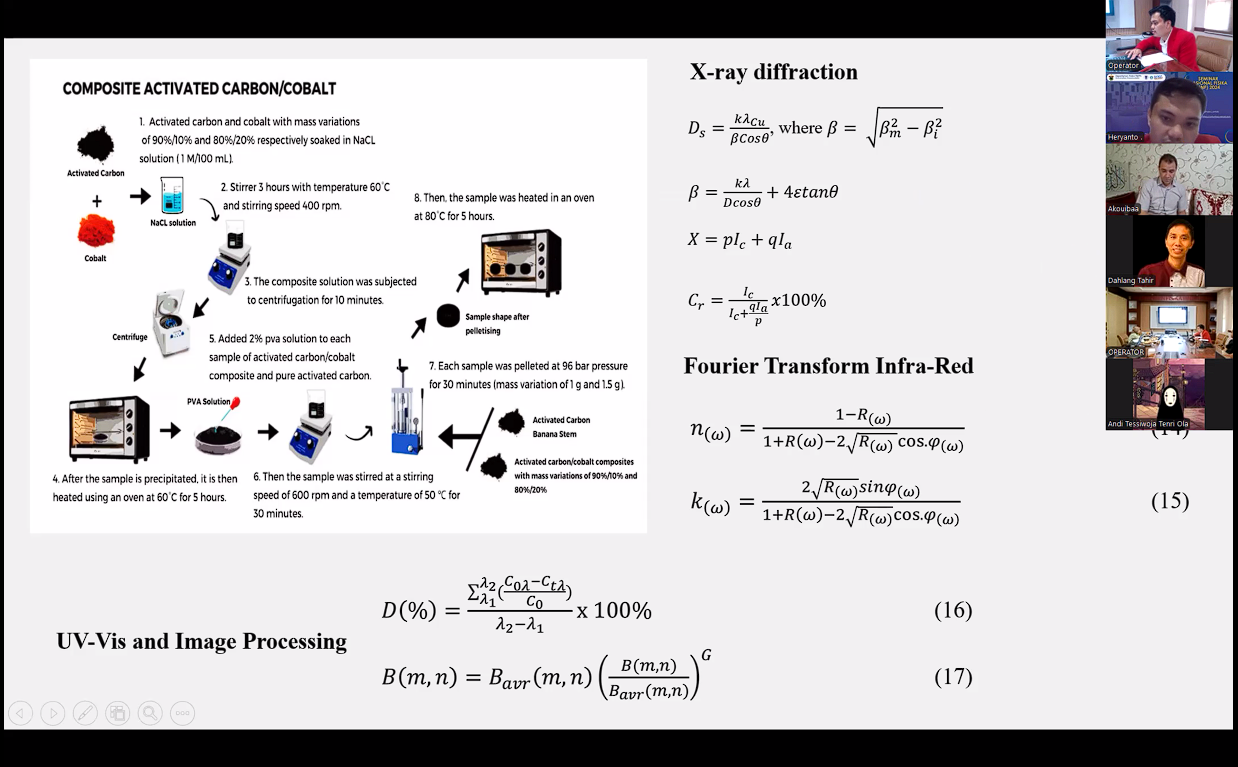
Throughout the session, participants explored various themes, including the development of advanced semiconductor materials, nanostructured devices, and their potential applications in energy, environmental sustainability, and health technologies. The discussion emphasized the importance of interdisciplinary approaches, integrating physics, chemistry, and engineering to address complex challenges in semiconductor research.
This activity aligns closely with several Sustainable Development Goals (SDGs), particularly SDG 1 (No Poverty), SDG 4 (Quality Education), and SDG 17 (Partnerships for the Goals). By encouraging collaborative research and knowledge sharing, the FGD contributes to SDG 4 through the promotion of inclusive and high-quality education, especially in advanced scientific fields. The identification of innovative semiconductor applications also holds potential to drive technological solutions that support economic development and reduce poverty (SDG 1). Moreover, the involvement of international collaboration directly supports SDG 17 by strengthening global partnerships and fostering cross-border scientific cooperation.
In addition, the research themes discussed during the FGD have implications for SDG 3 (Good Health and Well-being) and SDG 15 (Life on Land). Semiconductor-based technologies can be applied in medical diagnostics and environmental monitoring, contributing to improved public health and sustainable ecosystem management. These broader connections underscore the relevance of semiconductor research in addressing global sustainability challenges.
Beyond idea generation, the FGD served as a strategic platform for building long-term research collaboration. Participants were encouraged to transform their ideas into concrete research proposals, joint publications, and future funding initiatives. The discussion also highlighted the importance of maintaining continuous communication and collaboration to ensure the sustainability of the research network.
In conclusion, the FGD Research Collaboration in Semiconductor successfully created a meaningful space for knowledge exchange and innovation. By bringing together diverse perspectives in a focused discussion setting, the activity laid a strong foundation for future collaborative research that can contribute to scientific advancement and sustainable development.