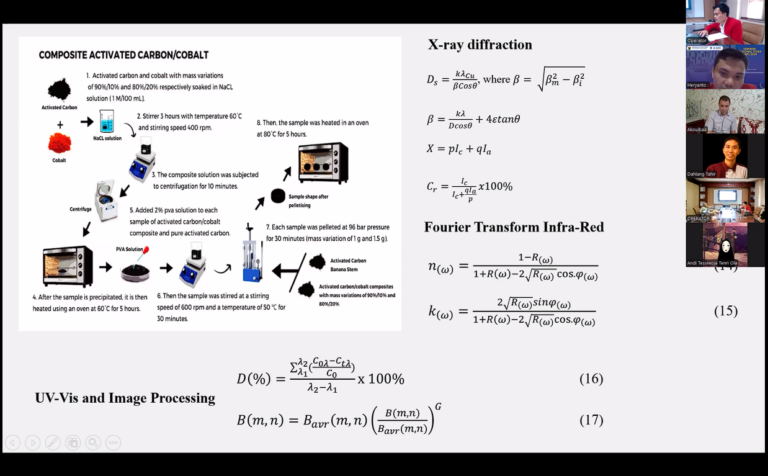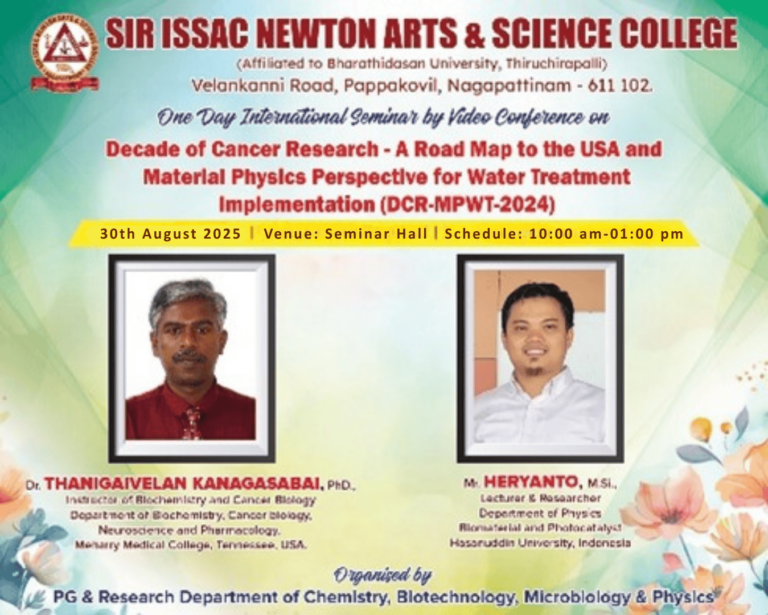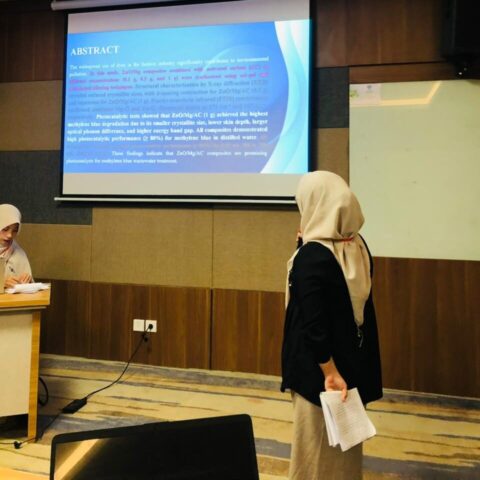

The International Seminar on Natural Product Chemistry (ISNPC) represents a significant academic platform that brings together researchers, scholars, and practitioners to explore the latest advancements in natural product chemistry and its interdisciplinary applications. Held on 11–12 September 2025, this seminar convened 500 participants at the Universitas Hasanuddin Hotel, creating a dynamic environment for scientific exchange and collaborative engagement.
The primary objective of this activity was to present and disseminate research findings on ZnO/Mg/Activated Carbon, a composite material with promising applications in environmental remediation and advanced material science. This topic reflects the growing interest in integrating metal oxides and carbon-based materials to develop efficient, cost-effective, and sustainable solutions for real-world challenges, particularly in water purification and pollutant removal.
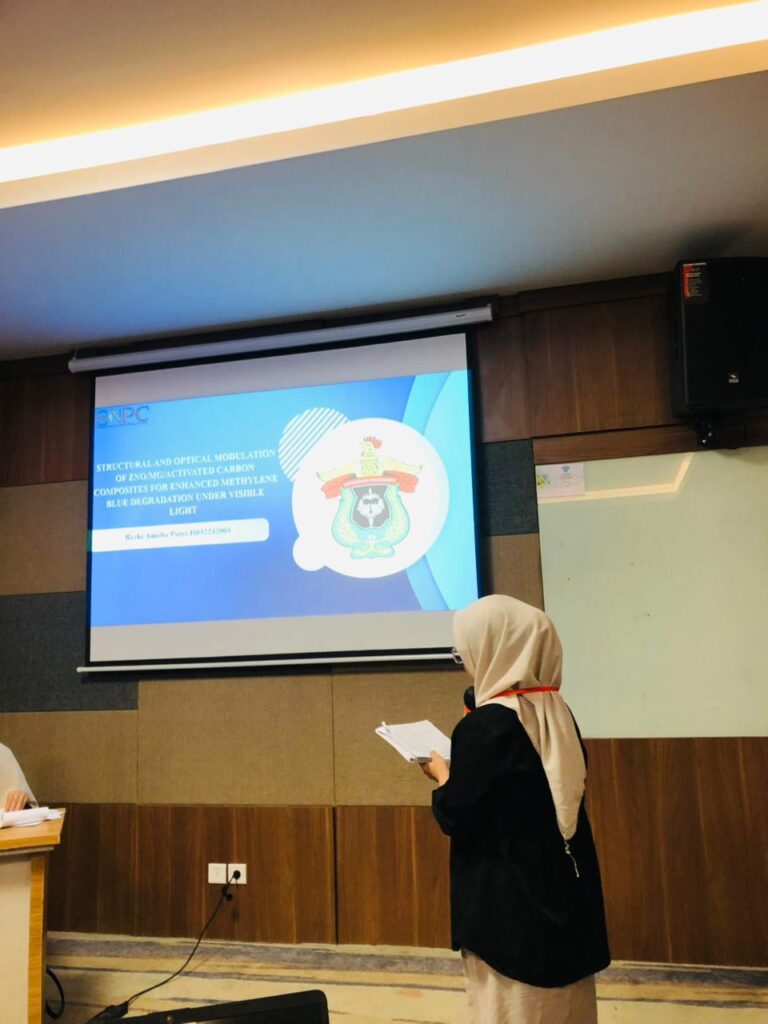
Throughout the seminar, participants were introduced to the fundamental properties and synergistic effects of zinc oxide (ZnO), magnesium (Mg), and activated carbon. The discussion emphasized how these materials can be engineered to enhance adsorption capacity, catalytic activity, and overall performance in treating contaminated water. Such innovations are especially relevant in addressing global environmental issues, including water pollution and resource scarcity.
Beyond its scientific contributions, the seminar strongly aligns with several Sustainable Development Goals (SDGs), explicitly supporting SDG 1 (No Poverty), SDG 4 (Quality Education), and SDG 17 (Partnerships for the Goals). By promoting knowledge sharing and capacity building among researchers and students, the event contributes to SDG 4 by improving access to high-quality education and fostering a culture of continuous learning. Furthermore, advancements in water treatment technologies have the potential to reduce economic burdens associated with poor water quality, thereby contributing to poverty alleviation (SDG 1). The seminar also serves as a platform for strengthening academic and research collaborations, directly supporting SDG 17 through the establishment of international partnerships and joint research opportunities.
In addition, the presented material indirectly contributes to SDG 3 (Good Health and Well-being) and SDG 14 (Life Below Water). Improved water treatment technologies can significantly reduce health risks associated with contaminated water, while also protecting aquatic ecosystems from harmful pollutants. These broader impacts highlight the importance of interdisciplinary research in achieving sustainable development outcomes.
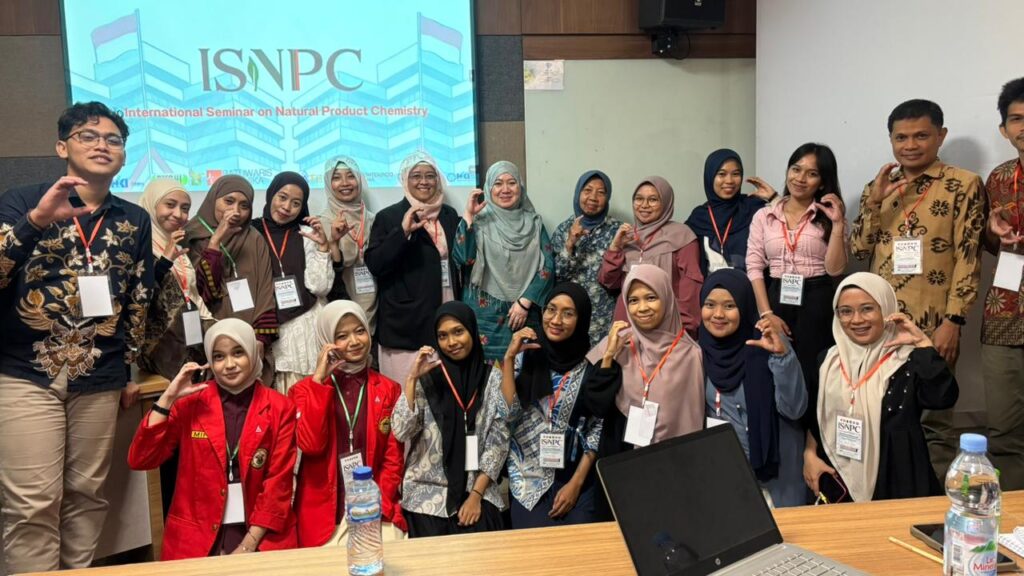
The ISNPC not only functioned as a venue for presenting scientific findings but also as a catalyst for inspiring future innovations. Participants were encouraged to engage in critical discussions, exchange ideas, and explore collaborative research initiatives that extend beyond the scope of the seminar. This environment fostered intellectual growth and reinforced the importance of global cooperation in advancing science and technology.
In conclusion, the International Seminar on Natural Product Chemistry (ISNPC) successfully demonstrated the vital role of scientific collaboration in addressing complex global challenges. By focusing on innovative materials such as ZnO/Mg/Activated Carbon, the seminar highlighted the intersection of chemistry, environmental science, and sustainable development, paving the way for impactful research and long-term societal benefits.