
Gowa, South Sulawesi, Indonesia – From 1–5 May 2026, a collaborative research expedition was conducted in Gowa Regency, South Sulawesi, Indonesia, to revisit the maritime history of the historic Gowa Kingdom through the tracing and documentation of ancient toponyms. The activity formed part of the implementation of the RIIM Expedition Research Program LPDP–BRIN 2026, focusing on cultural heritage, historical memory, and environmental landscapes connected to the maritime civilization of South Sulawesi.
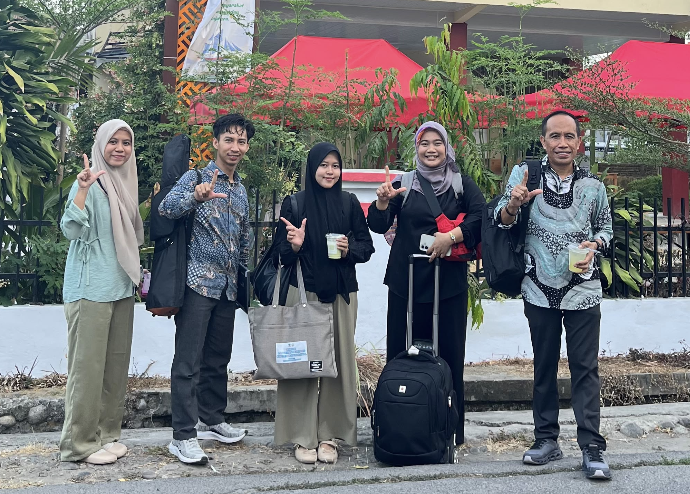
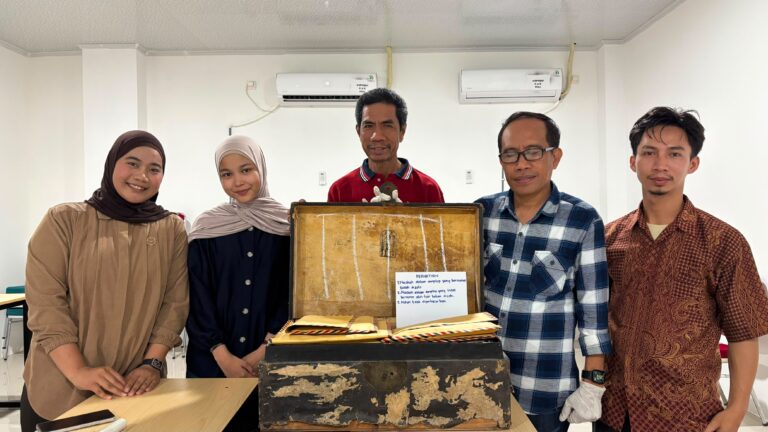
The expedition brought 7 participants. Researchers from Hasanuddin University (Unhas) included Prof. Muhlis Hadrawi and Yusuf Sirajuddin, S.S. The research team from BRIN (National Research and Innovation Agency) consisted of Dr. Hasanuddin, Dr. Nuraidar Agus, and Jusmianti Garing, M.A. Representatives from the Makassar Cultural Heritage Preservation Center included Makmur, M.Si., while Khaidir Sirajuddin, S.S. participated from the Lapawawoi Bone Museum. This multidisciplinary collaboration reflected the importance of partnership-based cultural research and strongly aligned with SDG 17: Partnerships for the Goals.
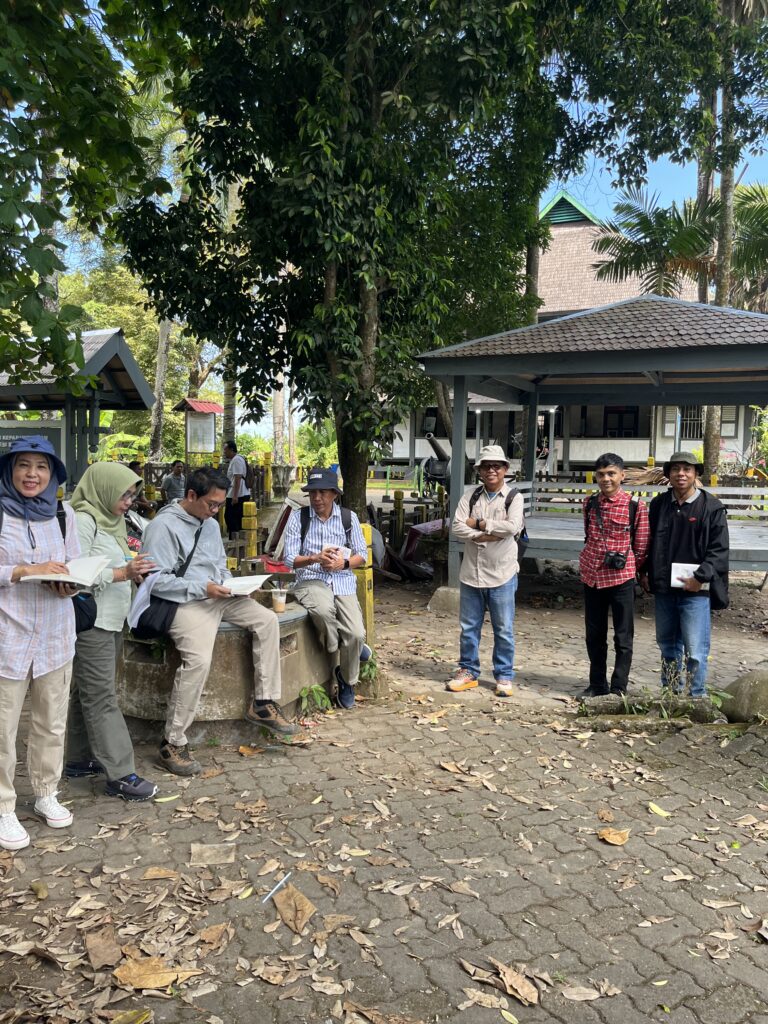
The main objective of the expedition was to identify, document, and interpret ancient place names scattered across the territory of the former Gowa Kingdom. These toponyms are considered valuable cultural archives that preserve traces of historical events, ecological knowledge, trade networks, and collective memory passed down through generations. By conducting direct observations, interviews with local communities, and geographical mapping, the research team sought to reconstruct the maritime landscape of the kingdom and strengthen public understanding of local history.
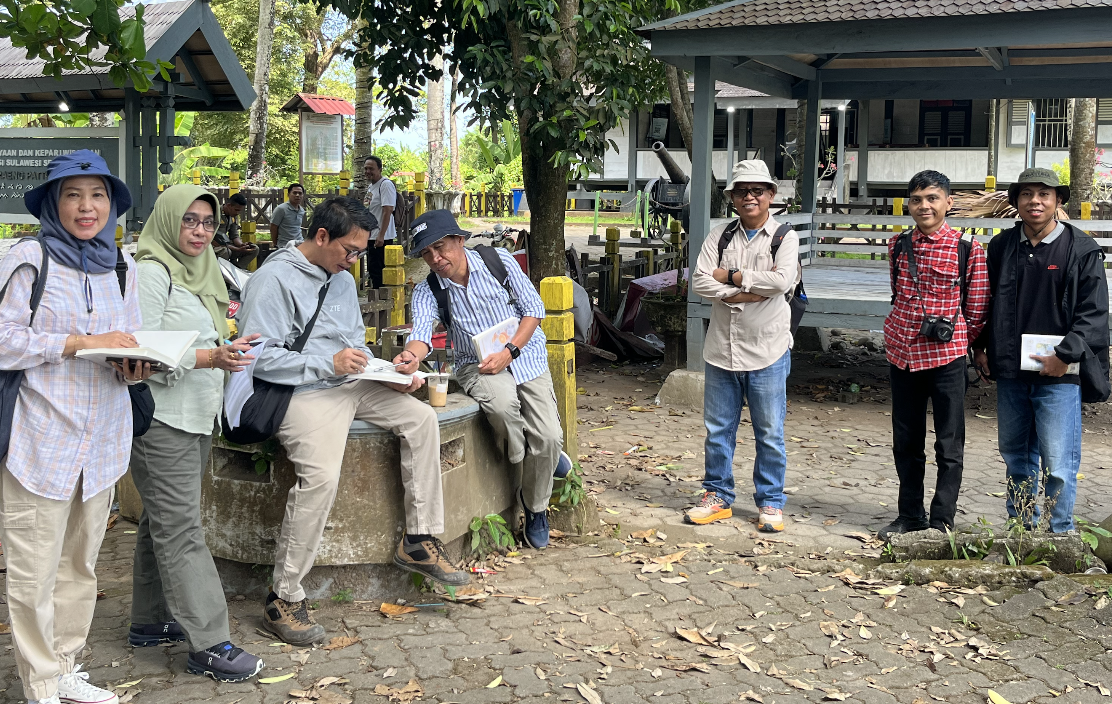
One of the primary focuses of the field observation was the Jeneberang River, which historically functioned as a strategic transportation route during the era of the Gowa Kingdom. The team explored several river-connected settlements and recorded geographical coordinates to support the development of a historical-cultural map of the region. Through oral history interviews, local residents shared memories, stories, and interpretations related to ancient locations, river routes, and old fortifications that once played significant roles in regional defense and trade activities.
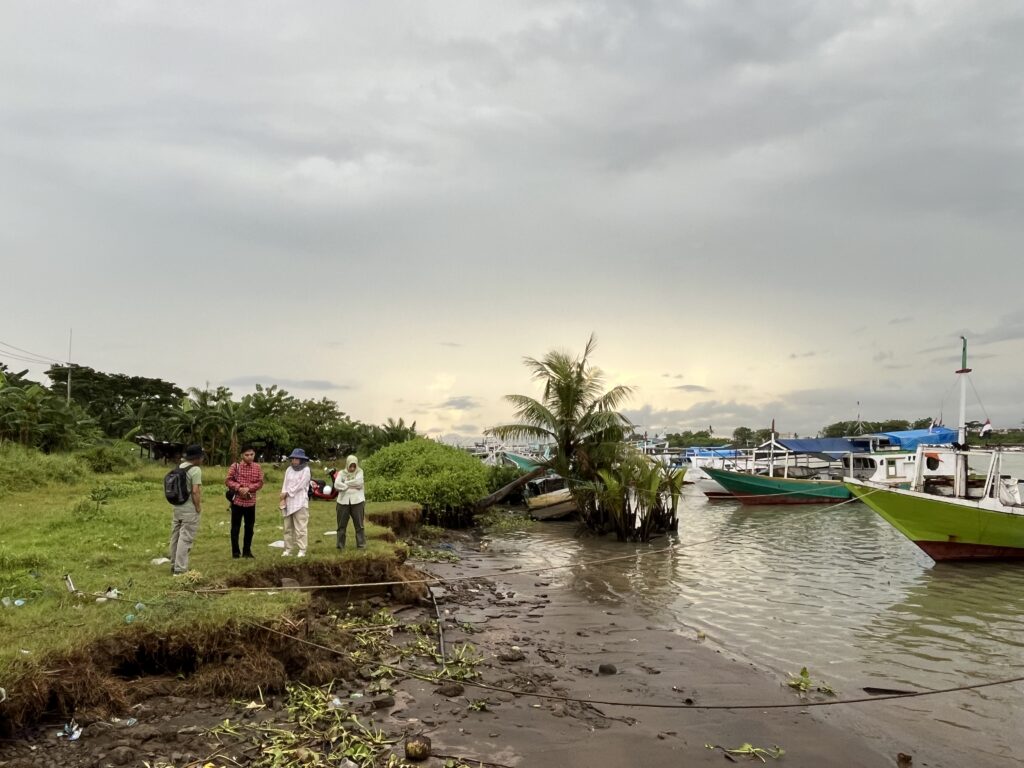
In addition to tracing toponyms, the researchers also investigated several historical forts located within the former territory of the kingdom. These sites provide important evidence of the sophisticated political and maritime system developed by the Gowa Kingdom in the past. The integration of historical documentation, spatial mapping, and community narratives demonstrates how cultural heritage research can contribute not only to academic knowledge but also to public education and sustainable cultural preservation.
The activity also highlighted the relevance of the research to the Sustainable Development Goals (SDGs), particularly SDG 1: No Poverty, SDG 4: Quality Education, and SDG 17: Partnerships for the Goals. By preserving local historical knowledge and promoting cultural literacy, the expedition contributes to educational enrichment and opens opportunities for community-based cultural tourism and sustainable economic empowerment. Furthermore, the collaborative involvement of universities, government research institutions, museums, and cultural agencies illustrates the importance of institutional partnerships in safeguarding Indonesia’s cultural heritage for future generations.
Through this expedition, the maritime legacy of the Gowa Kingdom is not only revisited academically, but also reintroduced to the wider public as an essential part of Indonesia’s historical identity and cultural resilience.