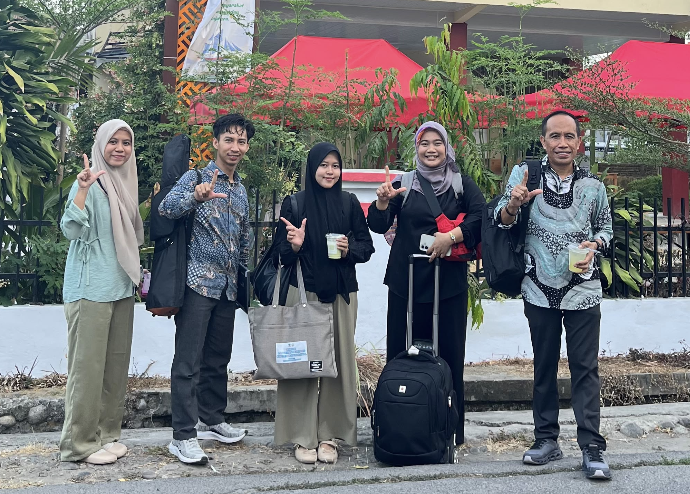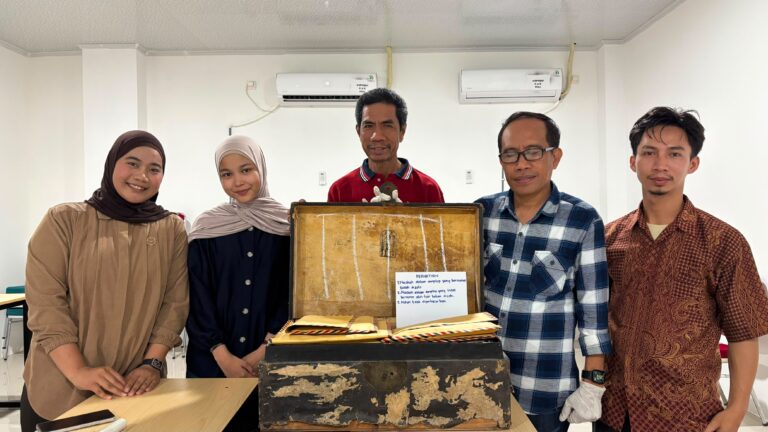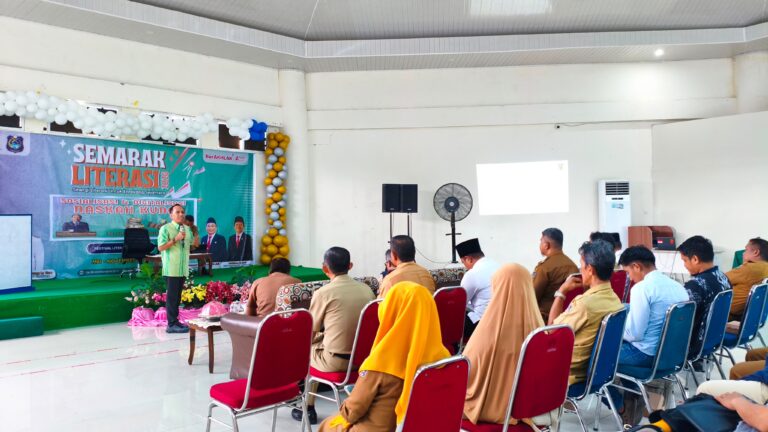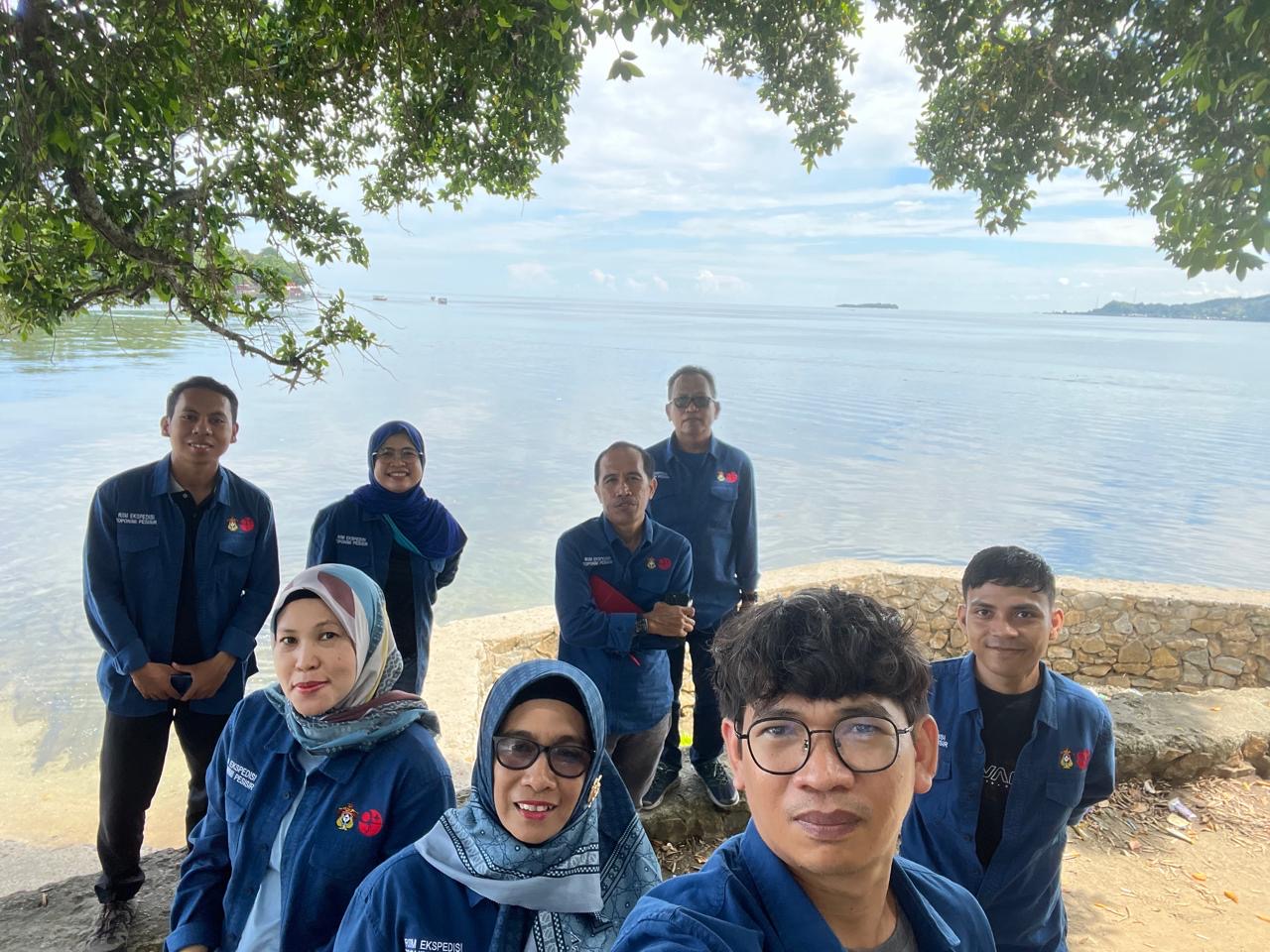

Makassar, South Sulawesi, Indonesia – The RIIM Field Study Expedition on the Exploration of Ancient Coastal Toponyms in South Sulawesi was conducted from April 10 to June 17, 2025, across several strategic coastal regions, including Pinrang Regency, Parepare City, Barru Regency, Pangkep Regency, Maros Regency, and Makassar City. This interdisciplinary research initiative involved eight researchers from Hasanuddin University (Unhas), the National Research and Innovation Agency (BRIN), Manassa, and the La Pawawoi Bone Museum. The expedition represents a significant effort to uncover, document, and reinterpret historical maritime knowledge embedded in place names along the South Sulawesi coastline.

The La Pawawoi Bone Museum
The primary objective of this project is to produce several key scholarly and practical outputs. These include the development of a comprehensive map illustrating ancient ports and maritime networks in Southeast Asia between the 15th and 18th centuries, a directory of ancient port toponyms based on the territories of former coastal kingdoms, and a digital database containing detailed information on the origins, historical contexts, and cultural meanings of each toponym. Additionally, the research aims to generate high-quality academic articles to be published in reputable international journals, thereby contributing to global scholarship on maritime history and cultural studies.
Toponyms, or place names, serve as vital cultural markers that reflect historical interactions, trade networks, ecological knowledge, and social identities. Through systematic field observations, archival research, and community engagement, the research team collected data from various coastal sites that were historically connected to maritime trade and cultural exchange. These findings provide valuable insights into the role of South Sulawesi as a significant hub within broader Southeast Asian maritime networks.
The field study also emphasized collaboration with local communities, recognizing them as key custodians of cultural knowledge. Oral histories, local narratives, and traditional interpretations of place names were carefully documented as part of the research process. This participatory approach ensures that the knowledge produced is not only academically rigorous but also socially grounded and inclusive.
This initiative aligns with several Sustainable Development Goals (SDGs). It contributes to SDG 4: Quality Education by generating new knowledge and supporting research-based learning in history, linguistics, and cultural studies. The project also supports SDG 1: No Poverty, as the documentation and promotion of cultural heritage can enhance local economic opportunities through cultural tourism and heritage-based industries. Furthermore, the collaborative partnership between academic institutions, research agencies, and cultural institutions reflects the principles of SDG 17: Partnerships for the Goals, emphasizing the importance of cross-sector cooperation in advancing sustainable development.
In conclusion, the RIIM Field Study Expedition demonstrates how historical and cultural research can play a strategic role in connecting the past with present development agendas. By mapping ancient maritime networks and preserving the meanings embedded in toponyms, this project not only enriches academic discourse but also empowers communities and strengthens cultural identity in South Sulawesi.