Makassar, Indonesia, April 29, 2024/MC-Nutrition/-– What if a simple kitchen ingredient like olive oil could influence how a mother’s body adapts during breastfeeding? Beyond its culinary use, extra virgin olive oil (EVOO) is increasingly studied for its role in metabolism, inflammation, and maternal nutrition—especially in lactating women who require higher energy and nutrient intake.
A published article entitled “The effect of extra virgin olive oil (EVOO) on fat mass and fat-free mass for breastfeeding mothers (0–24 months) in Makassar City, Indonesia”. A randomized clinical trial published in the Journal of Education and Health Promotion (Vol. 13, Article 127, 2024, DOI: 10.4103/jehp.jehp_907_23) investigated whether daily EVOO supplementation could influence body composition—specifically fat mass (FM) and fat-free mass (FFM)—among breastfeeding mothers in Makassar, Indonesia .
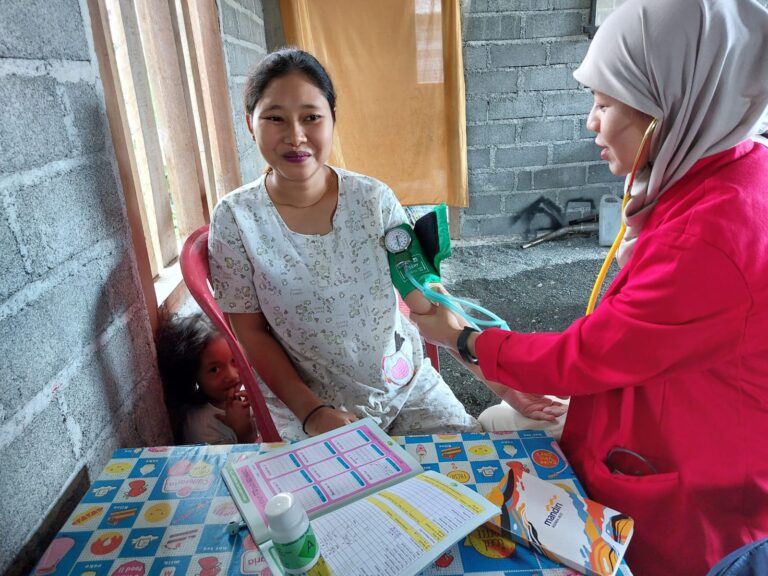
The study involved 34 breastfeeding mothers aged 0–24 months, selected from the Sudiang Raya and Tamalanrea Health Centers. Participants were randomly divided into an intervention group receiving 20 ml/day of EVOO plus nutrition education, and a control group receiving nutrition education only. The intervention lasted 28 days, and body composition was measured using Bioelectrical Impedance Analysis (BIA) .
EVOO is rich in monounsaturated fatty acids (MUFA), particularly oleic acid, which is associated with improved lipid metabolism, cardiovascular protection, and potential regulation of body weight. In breastfeeding women, nutrition is not only about calorie intake—it directly affects body composition and the quality of breast milk produced.
What the Study Found
Interestingly, the results showed that EVOO supplementation did not produce statistically significant changes in fat mass or fat-free mass in either group (p > 0.05). However, a subtle physiological trend was observed: mothers receiving EVOO tended to maintain their body composition within the normal range, while some participants in the control group showed slight declines into lower ranges .
This suggests that EVOO may not dramatically alter body composition in the short term, but it could help stabilize metabolic balance during the demanding breastfeeding period.
Why This Matters for Maternal Health
Breastfeeding increases nutritional demands significantly, requiring additional energy, protein, and fat intake. In many cases, mothers experience shifts in body composition due to energy depletion or inadequate dietary intake. While EVOO alone was not a “transformative” intervention in this study, it highlights an important concept: dietary fat quality matters as much as quantity.
Healthy fats like MUFA may support metabolic stability, especially when combined with adequate protein intake and physical activity. This reinforces that maternal nutrition interventions should not rely on single components, but rather integrated dietary strategies.
Science Beyond the Plate
This study contributes to understanding how functional foods may support maternal health without necessarily producing immediate measurable changes. It also emphasizes that breastfeeding outcomes are influenced by complex interactions between diet, metabolism, and physiological adaptation.
Implications for Public Health
The findings align with SDG 3: Good Health and Well-being, particularly in improving maternal nutrition and breastfeeding support systems. Strengthening dietary guidance for lactating mothers could help prevent nutritional imbalance during postpartum recovery and lactation.
DOI Referensi
: https://doi.org/10.4103/jehp.jehp_907_23
Kontak:
Prof.dr. Veni Hadju, M.Sc., Ph.D
+62811441803