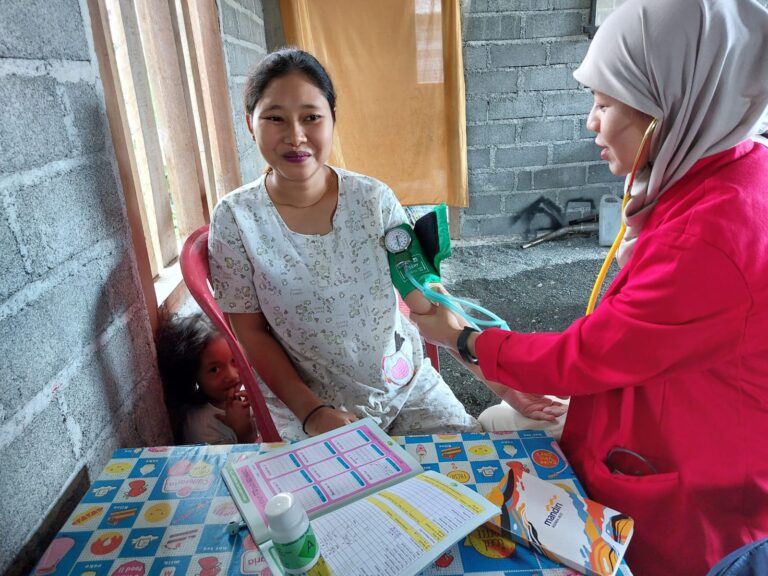
Gorontalo, Indonesia, November 7, 2025/MC-Nutrition/-Pregnancy is a time when a mother’s body is working for two lives. During this period, blood volume increases, the baby grows rapidly, and the need for iron, folic acid, protein, and vitamins increases. When these needs are not met, pregnant women can develop anemia, a condition characterized by low hemoglobin levels. Anemia may seem simple, but it can increase the risk of fatigue, low birth weight, premature birth, and other maternal and infant health problems. The global prevalence of anemia in pregnant women ranged from 5.2% to 65.7% in 2019.
A published article titled “Efficacy of Moringa Soy Milk as a Food-Based Intervention on Hemoglobin Levels in Pregnant Women with Anemia: A Quasi-Experimental Study in Gorontalo, Indonesia” provides an interesting local food solution to this problem. The article was published in The North African Journal of Food and Nutrition Research, Volume 9, Issue 20, pages 236–248, in 2025. The article was published on November 7, 2025, with DOI 10.51745/najfnr.9.20.236-248. This study examined whether Moringa soy milk could help increase hemoglobin levels in pregnant women with anemia in Gorontalo, Indonesia.
This study used a quasi-experimental design with a pretest-posttest control group. The study involved 66 pregnant women with anemia, who were divided equally into two groups. The intervention group consisted of 33 women who received 250 ml of Moringa soy milk every morning for 30 days, along with a 60 mg iron-folic acid tablet taken at night. The control group consisted of 33 women who received local food supplements such as sweet potato, banana, mung bean porridge, and iron-folic acid tablets.
The results showed that both groups experienced an increase in hemoglobin levels after the intervention. However, the increase was stronger in the Moringa soy milk group. In this group, the average hemoglobin level increased from 9.69 g/dL to 10.61 g/dL, with a mean increase of 1.03 g/dL. In the control group, hemoglobin increased from 9.70 g/dL to 10.44 g/dL, with a mean increase of 0.73 g/dL. The difference between the two groups was statistically significant, indicating that Moringa soy milk was more effective than the local supplement combined with iron tablets.
This result is significant because Moringa leaves and soybeans are common local food sources. Moringa contains iron, vitamin C, folic acid, calcium, and antioxidants, while soybeans provide plant-based protein and other nutrients. Vitamin C can also help the body absorb iron better, making this combination beneficial for supporting blood health during pregnancy.
This article supports SDG 3: Good Health and Well-Being, specifically efforts to improve maternal health and reduce nutrition-related pregnancy risks. In conclusion, Moringa soy milk offers a practical, affordable, and culturally acceptable food-based strategy to help pregnant women increase hemoglobin levels and support healthier pregnancy outcomes.
Reference :
DOI 10.51745/najfnr.9.20.236-248.
Contact :
Prof. dr. Veni Hadju, M.Sc., Ph. D
+62811441803
phunhas@gmail.com