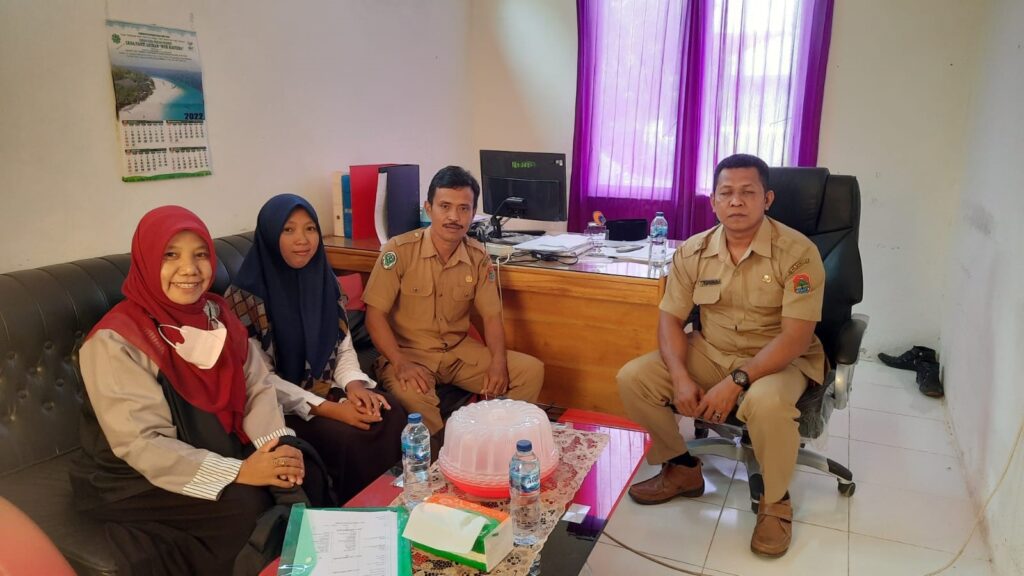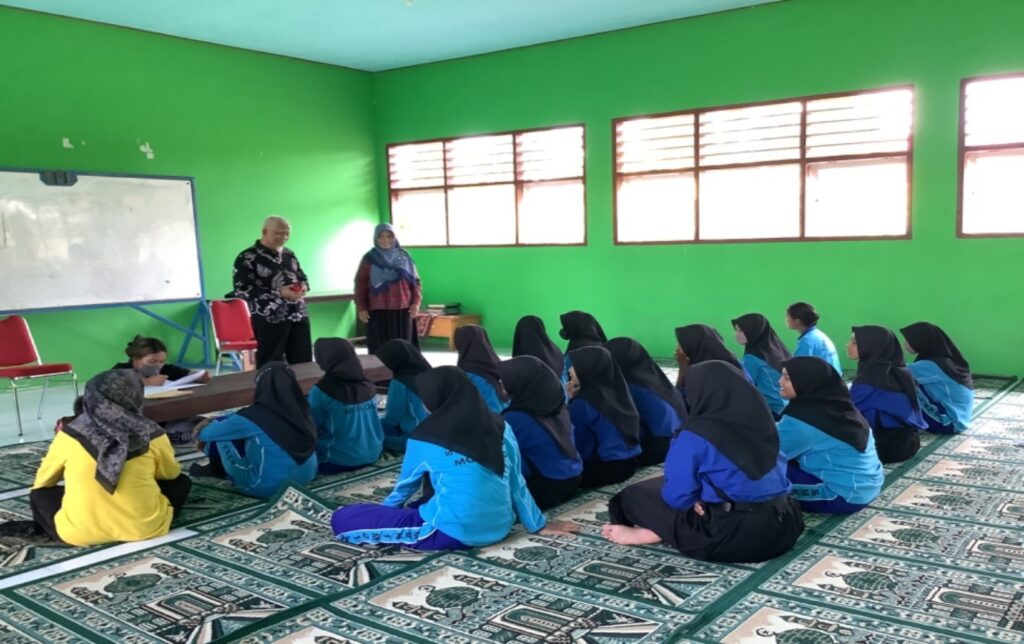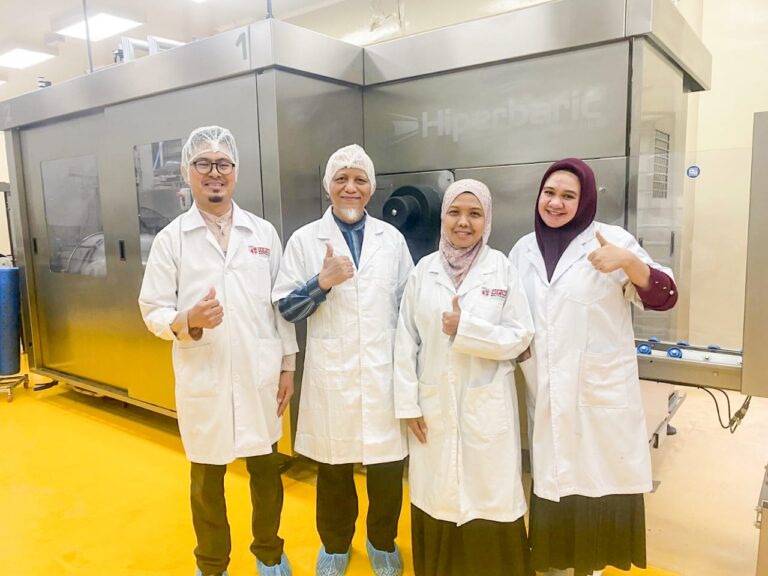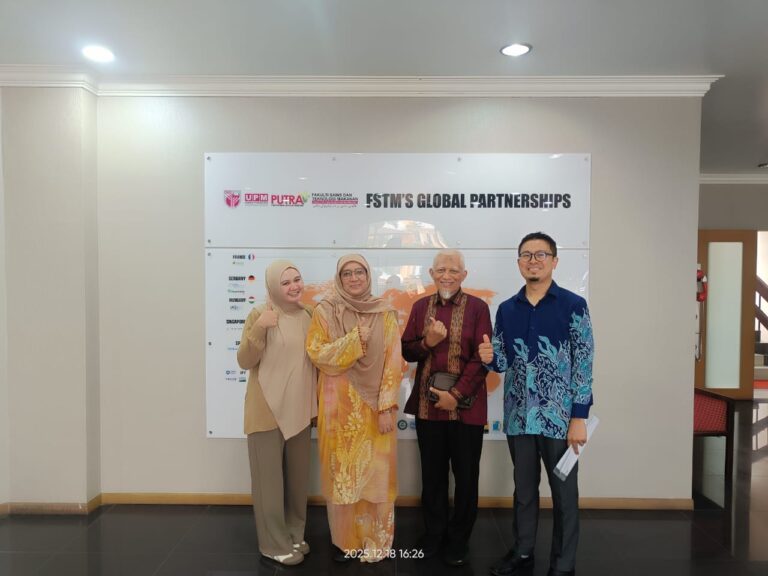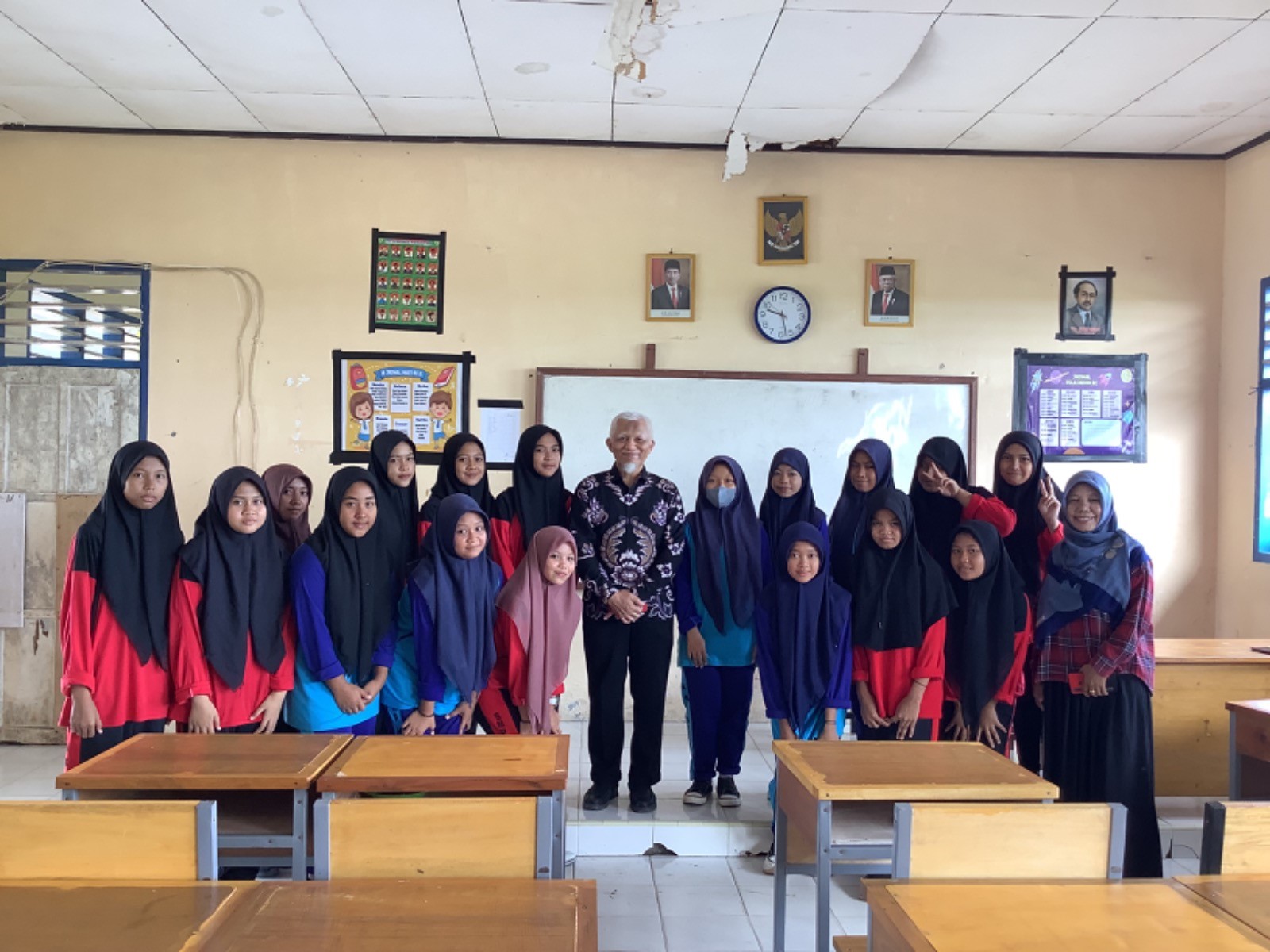

Banggai Regency, Central Sulawesi — January–March 2023 — A doctoral research activity conducted by Ms. Risma, with the assistance of Abdul Fandir, was carried out to analyze the relationship between hemoglobin levels, physical fitness, and cognitive performance among adolescent girls with anemia. The study involved 139 adolescent girls aged 12–18 years and was conducted in South Batui District and Moilong District, Banggai Regency, Central Sulawesi, with field activities supported by Puskesmas Sinorang in South Batui and Puskesmas Toili 1 in Moilong.
The study focused on adolescent anemia as an important nutritional and health concern that may be associated with physical and cognitive performance. The research aimed to determine whether hemoglobin status was significantly associated with physical fitness and cognitive function among adolescent girls during a critical period of growth and development.
Session focus: Assessing the relationship between hemoglobin levels, physical fitness, and cognitive performance among adolescent girls.
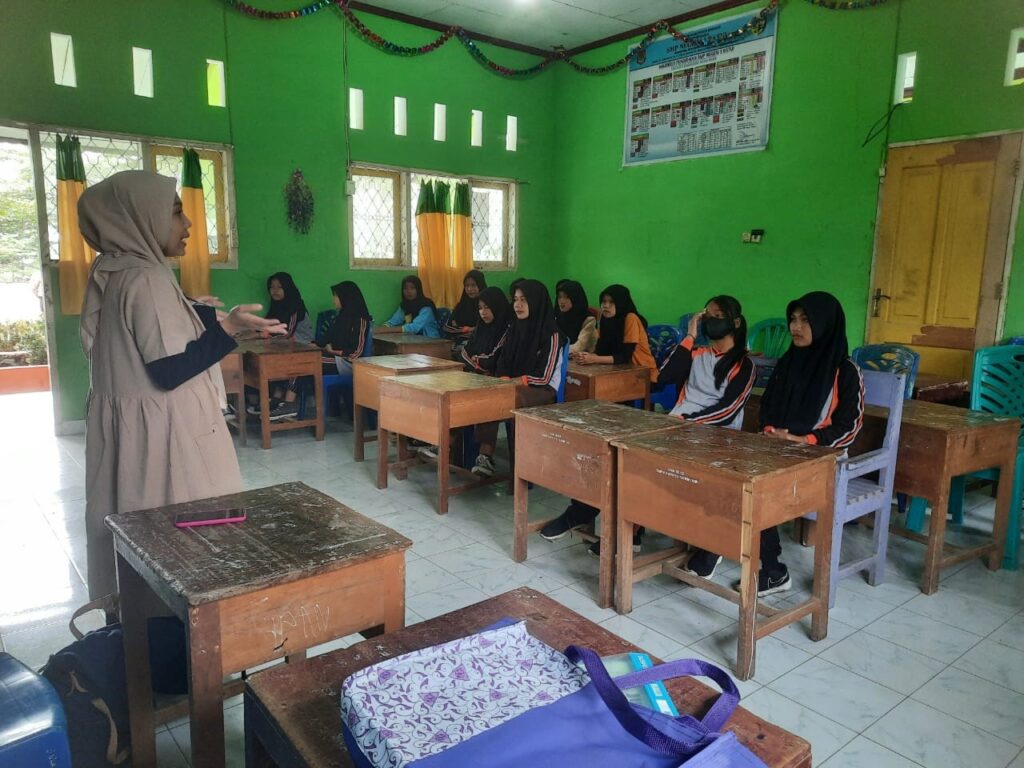
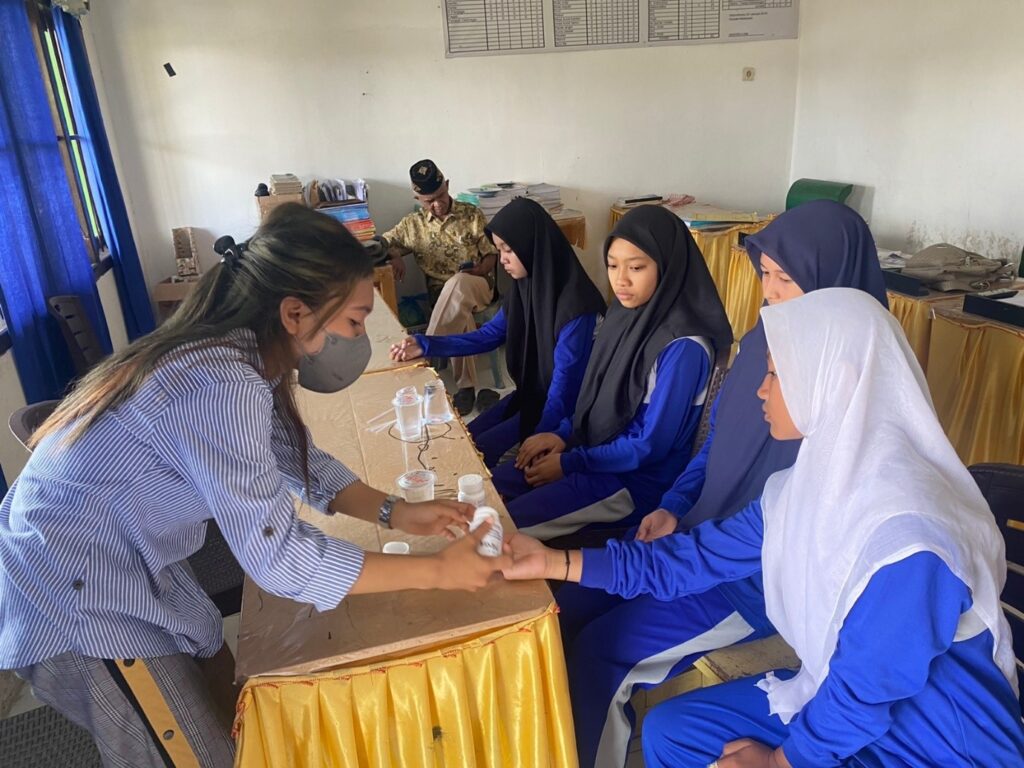
The research activities involved several components of field data collection. First, interviews were conducted with adolescent participants using structured questionnaires. Anthropometric measurements were also performed to obtain information on participants’ physical characteristics. Physical fitness was assessed by estimating VO₂ max using the Bleep Test, providing an indicator of aerobic fitness. Cognitive function was assessed using the Culture Fair Intelligence Test (CFIT), while memory performance was measured using the Intelligence Structure Test (ITS).
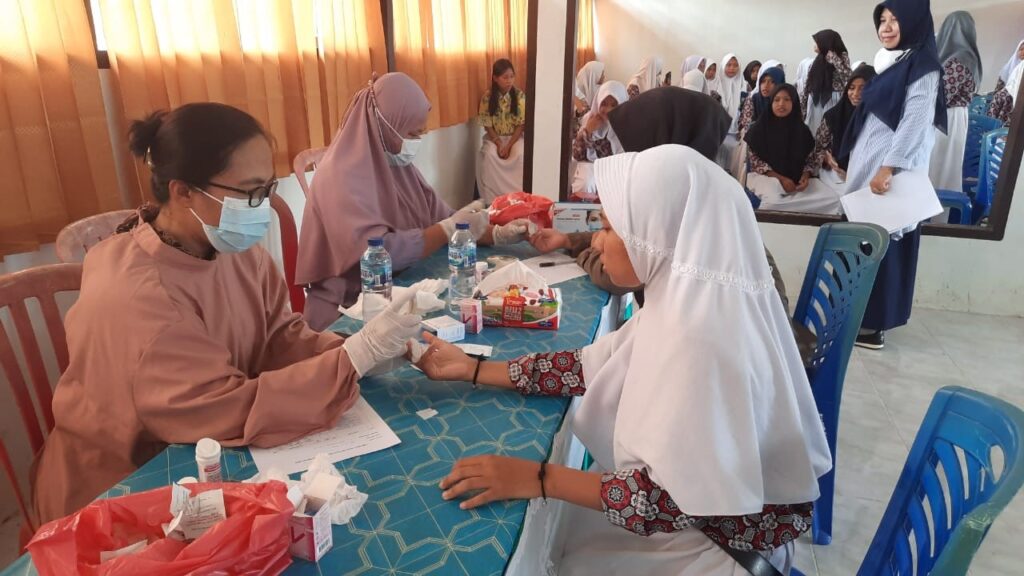
Hemoglobin levels were measured by health workers at the community health centers (Puskesmas) using a Hemocue device. The involvement of health workers in hemoglobin assessment supported standardized measurement during field data collection. The combination of interviews, anthropometric assessment, physical fitness testing, cognitive testing, memory assessment, and hemoglobin measurement provided an integrated assessment of the health and functional characteristics of the adolescent participants.
The findings showed that 58.3% of the students were anemic, with 64.1% classified as having mild anemia and 32.1% as having moderate anemia. The average predicted VO₂ max was reported as 25.3 kg/m², while the average cognitive score was 81.02 and the average memory score was 11.01. The analysis demonstrated a significant relationship between hemoglobin levels and physical fitness and cognitive function among the adolescent girls.
These findings highlight the importance of addressing anemia among adolescent girls because hemoglobin status was associated with both physical fitness and cognitive performance. Based on the research findings, an intervention program to increase hemoglobin levels among adolescent girls is needed as a potential strategy to support adolescent health, physical capacity, and cognitive development.
The activity contributes to SDG 3: Good Health and Well-being, particularly through its focus on adolescent anemia, health assessment, and evidence generation for improved health interventions. It also supports SDG 2: Zero Hunger by addressing nutritional deficiencies and anemia among adolescent girls. Through doctoral-level field research and collaboration with local health facilities, the activity further demonstrates the importance of evidence-based approaches to addressing adolescent nutrition and health challenges.