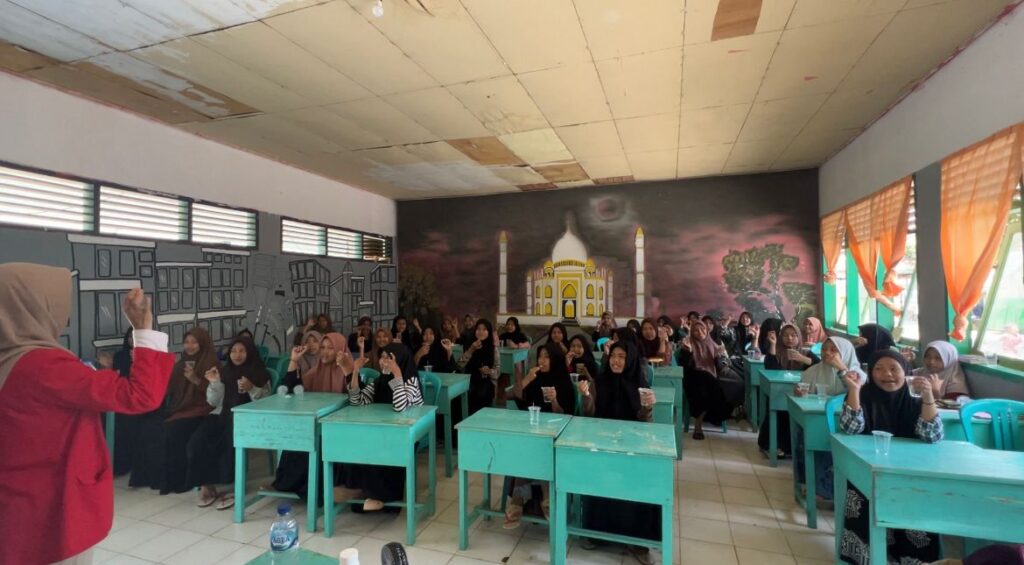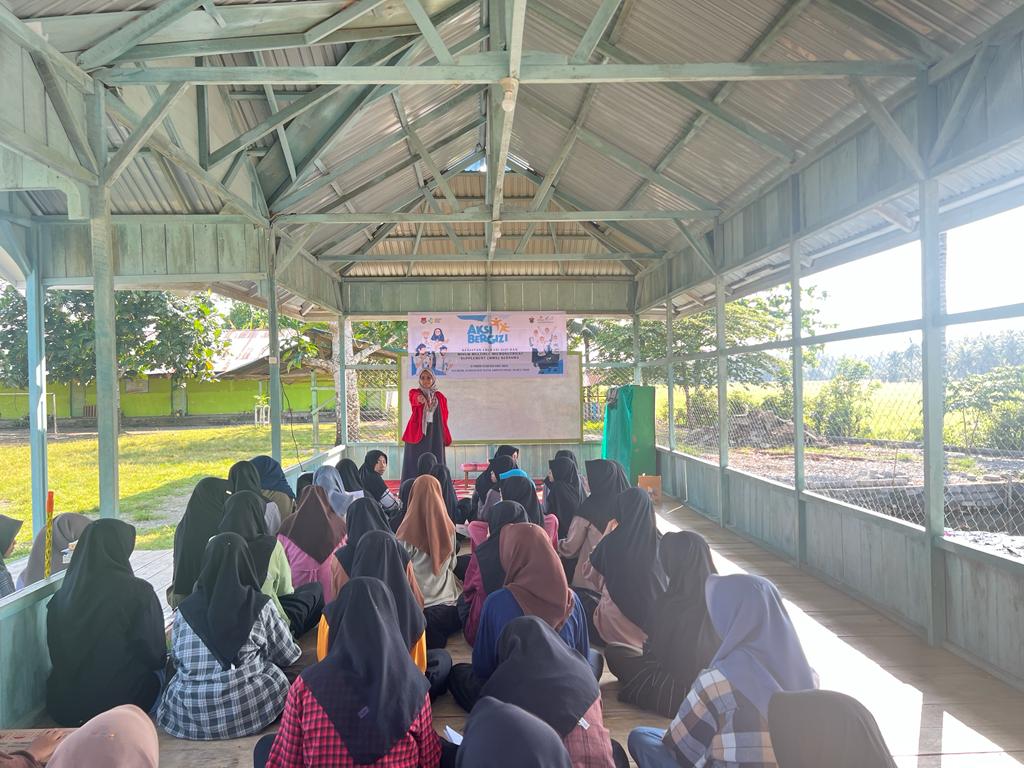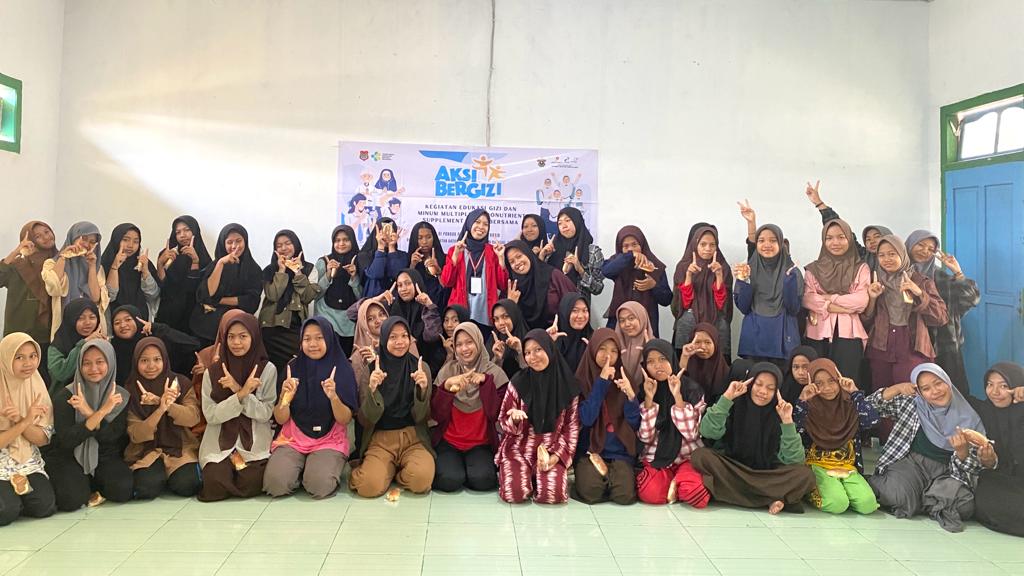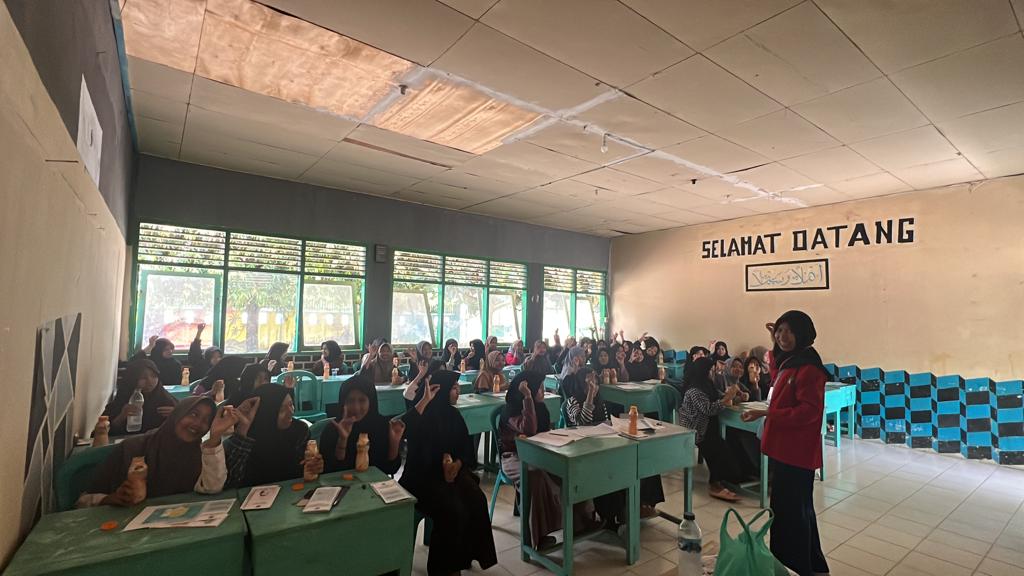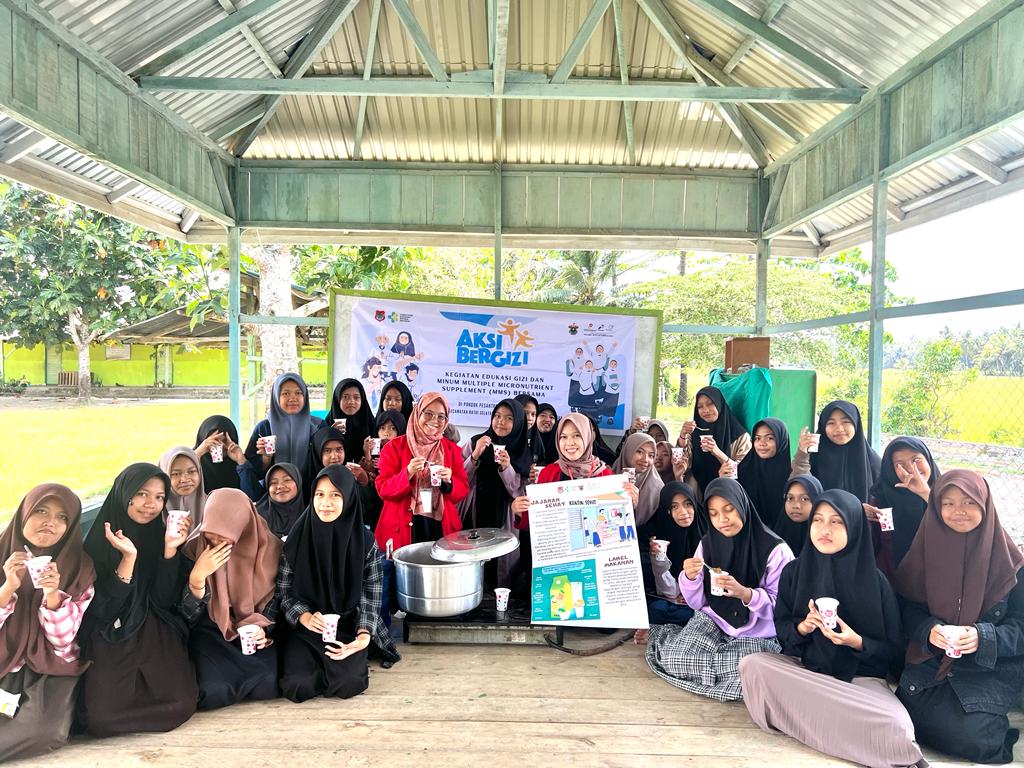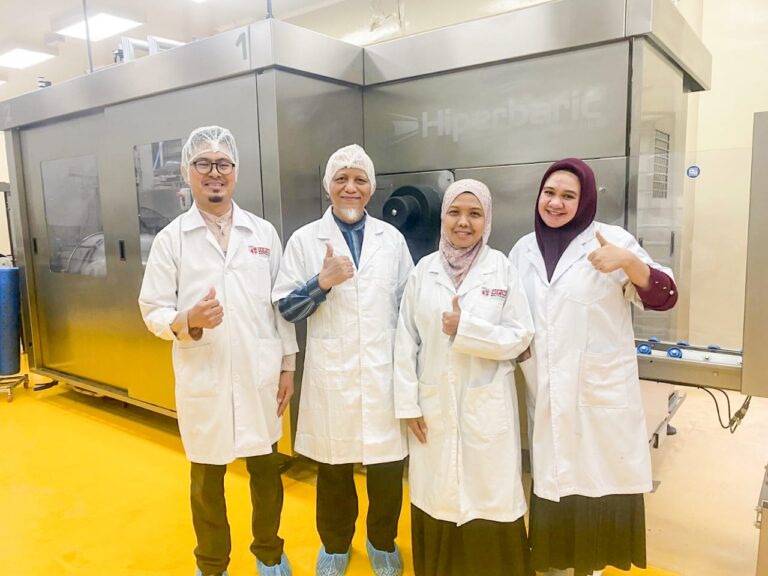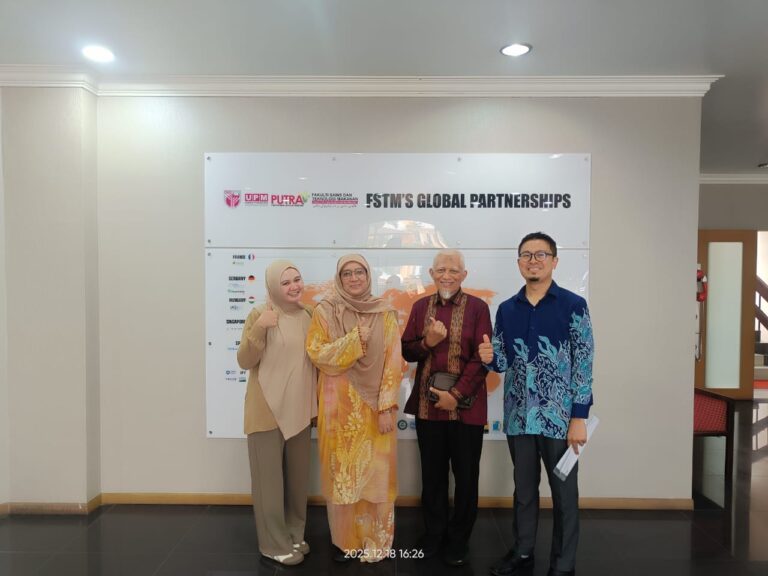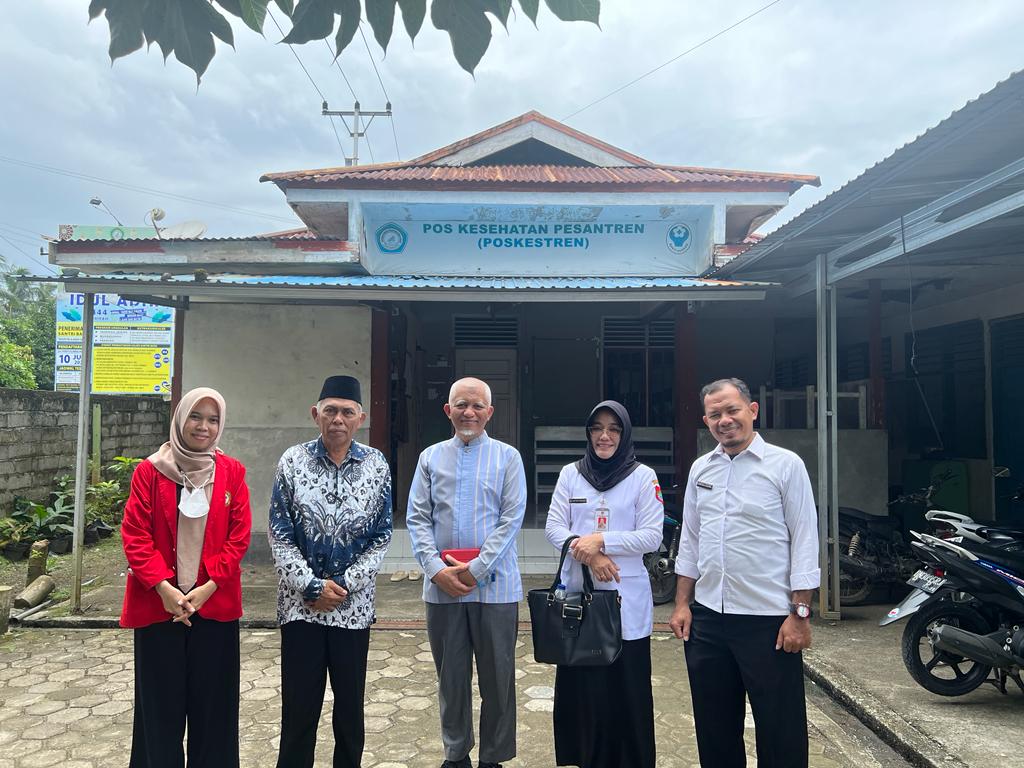

Masing Village, Banggai Regency, Central Sulawesi — 20 September–10 December 2023 — A community-based nutrition action program was conducted at Darul Khair Islamic Boarding School as part of a research and community service program undertaken by Safira and Fina Astary, Master’s students in Nutrition at Hasanuddin University. The activities were supported by the management of Darul Khair Islamic Boarding School, JOB Tomori, and the Banggai Regency Health Office. The program focused on strengthening nutrition among adolescent girls through micronutrient supplementation, nutrition education, and assessment of balanced nutrition behaviors.
Adolescence is an important period for improving nutritional status and establishing healthy dietary practices, particularly among adolescent girls who are vulnerable to micronutrient deficiencies and anemia. The program therefore integrated nutrition education and supplementation with an assessment of factors that influence adolescents’ ability to practice balanced nutrition in the boarding school environment.
Session focus: Strengthening micronutrient intake and balanced nutrition behaviors among adolescent girls through nutrition education and the “GitH Action” program.
The first activity examined the implementation of various micronutrient supplementation and nutrition education based on the “GitH Action” program among 53 adolescent girls at Darul Khair Islamic Boarding School. The intervention consisted of nutrition education and weekly Multiple Micronutrient Supplement (MMS) tablet administration for three months, combined with a dietary approach within the Islamic boarding school. The activity focused on improving nutritional status and hemoglobin levels among the participating adolescent girls.
The second activity assessed balanced nutrition behaviors among adolescent girls at the same Islamic boarding school. This activity involved 53 adolescents aged 12–18 years. Information was collected regarding adolescent and household characteristics, as well as factors related to balanced nutrition, including knowledge, self-efficacy, attitudes, and practices. The assessment provided information on the behavioral and contextual factors relevant to nutrition among adolescents living in the boarding school setting.
The intervention demonstrated measurable improvements in nutritional and hemoglobin outcomes. The average z-score of nutritional status increased from -0.208 ± 1.08 to -0.047 ± 0.89, with both measurements remaining within the normal category. This improvement was statistically significant (p = 0.031). Hemoglobin levels also increased substantially, from an average of 11.9 g/dL, categorized as anemia, to 12.6 g/dL, categorized as not anemic, with a highly significant result (p = 0.0001). These findings indicate that the nutrition intervention was associated with improved nutritional and hemoglobin status among the respondents.
The program contributes to SDG 2: Zero Hunger by addressing nutritional problems and micronutrient adequacy among adolescent girls. It supports SDG 3: Good Health and Well-being through efforts to improve nutritional and hemoglobin status and prevent anemia. The nutrition education component also contributes to SDG 4: Quality Education by strengthening adolescents’ nutrition knowledge and self-efficacy. Furthermore, collaboration among Hasanuddin University, Darul Khair Islamic Boarding School, JOB Tomori, and the Banggai Regency Health Office demonstrates the importance of multi-stakeholder partnerships in supporting community-based nutrition improvement.