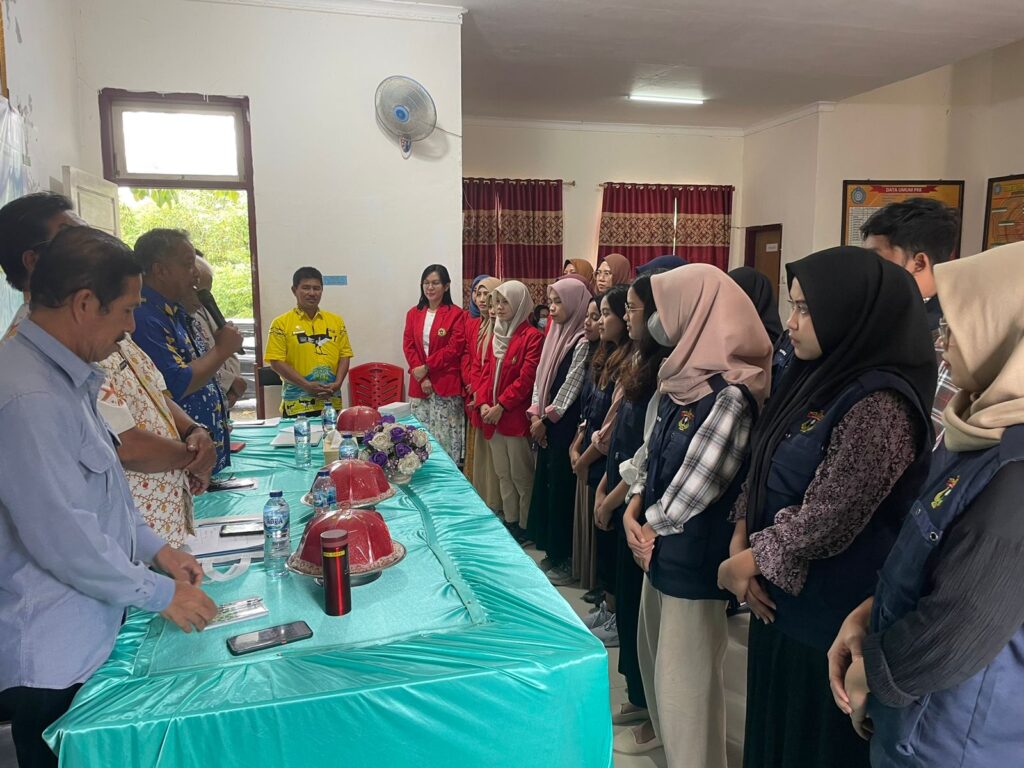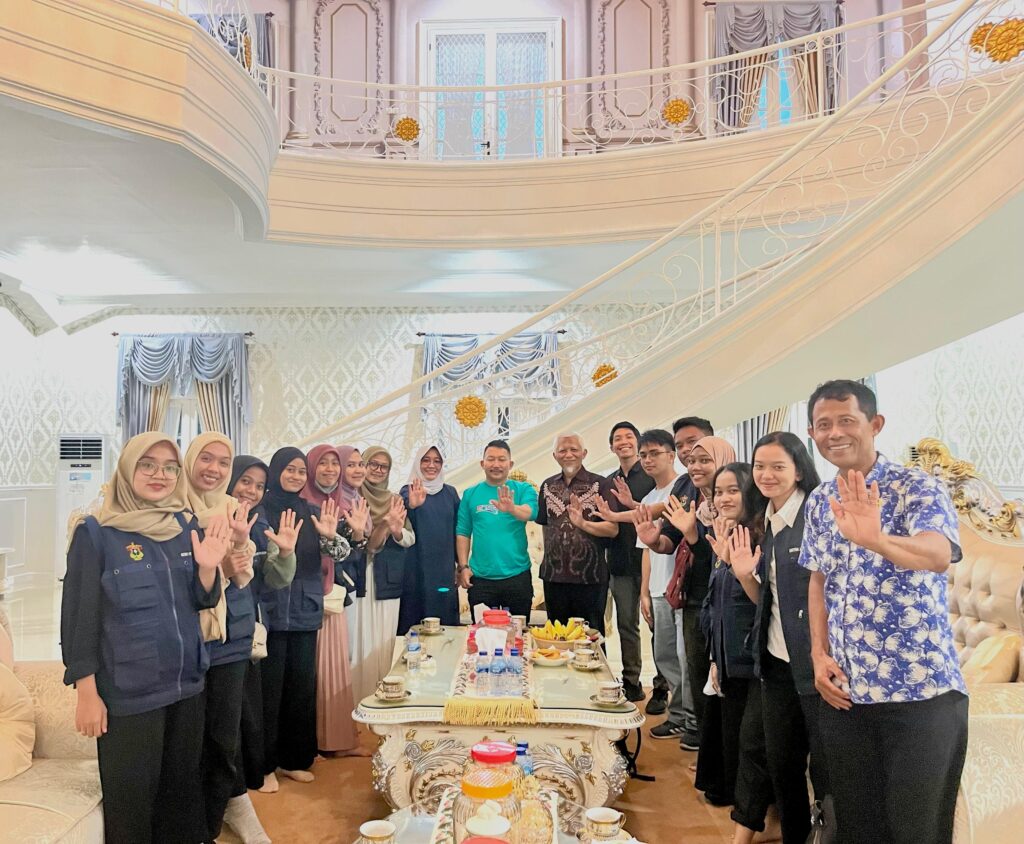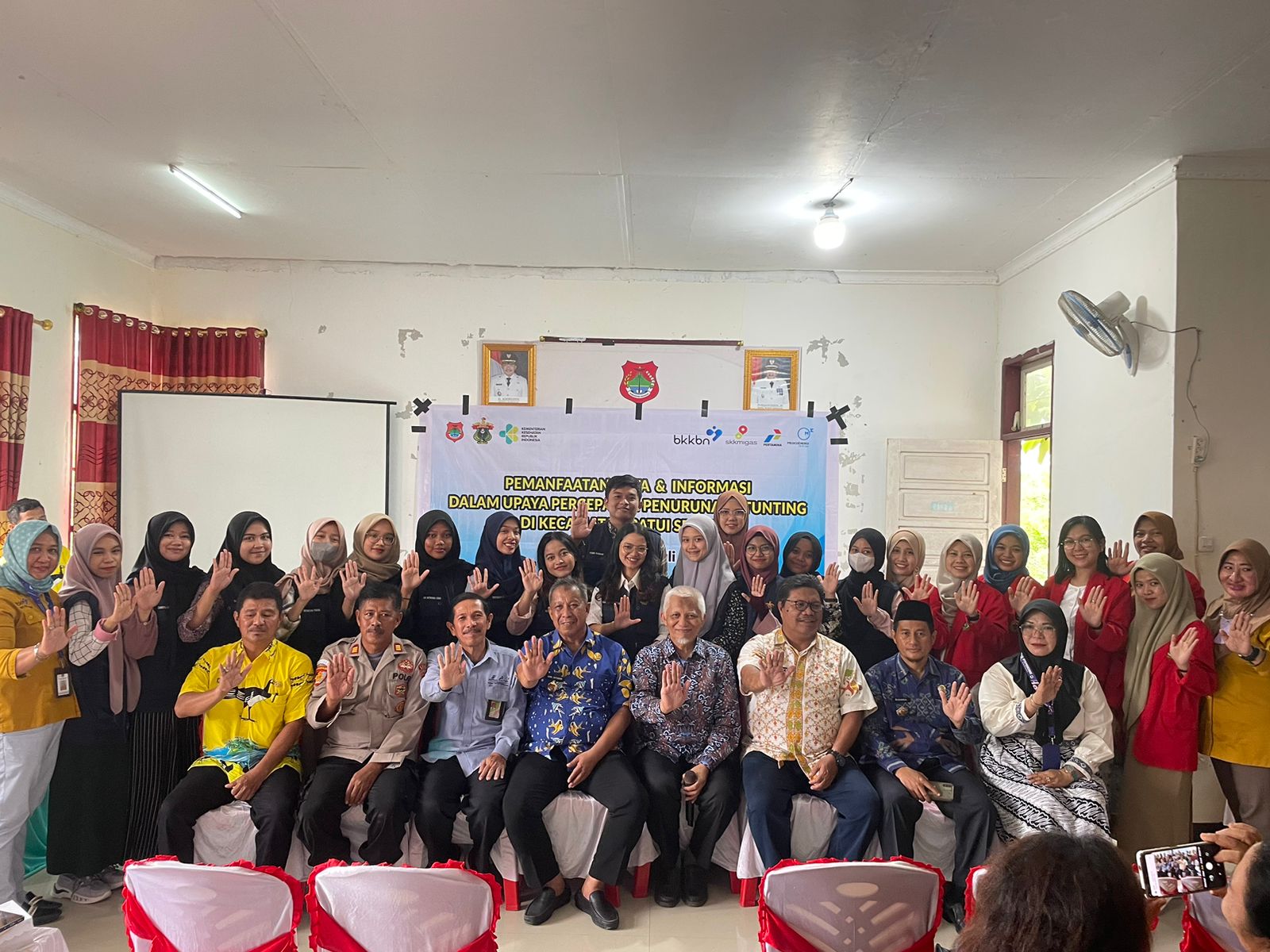

South Batui and Moilong Districts, Banggai Regency, Central Sulawesi — 13 July–20 August 2023 — The Independent Learning and Independent Campus (MBKM) Student Program was implemented as a community-based academic activity that provided undergraduate students with direct learning experiences in the community. The program involved 14 undergraduate Nutrition students from Hasanuddin University, accompanied by Prof. Veni Hadju and Dr. Hasan Basri. The activity was implemented in South Batui and Moilong Districts, Banggai Regency, with support from the university, the Regent of Banggai Regency, local government, and community stakeholders.
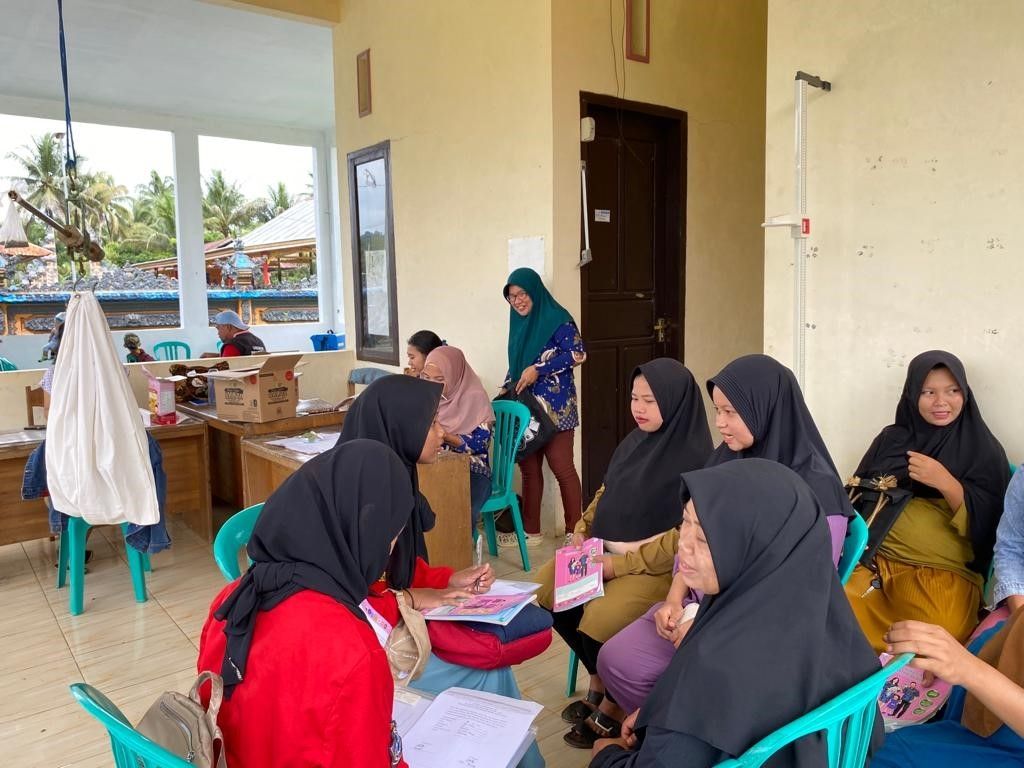
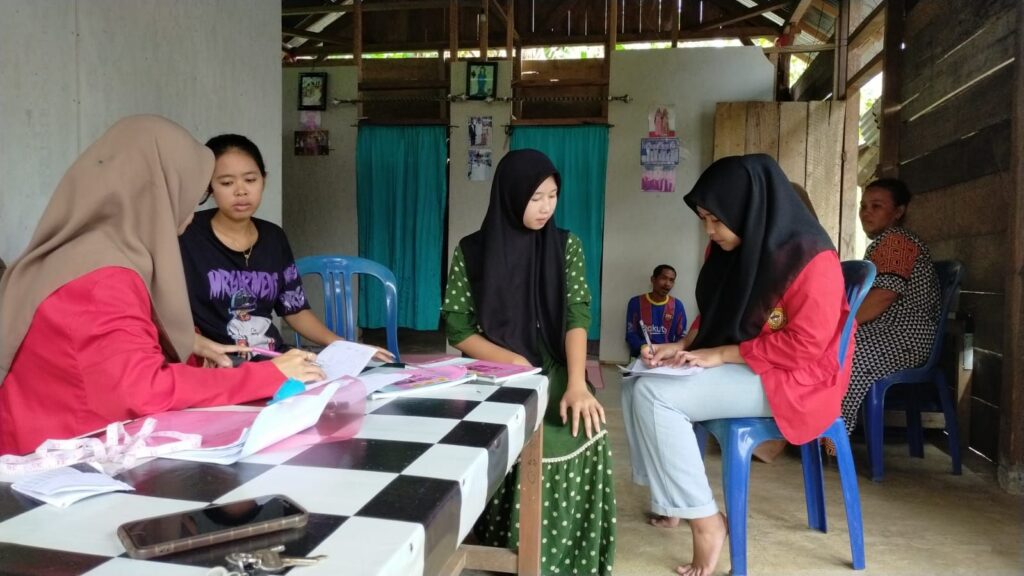
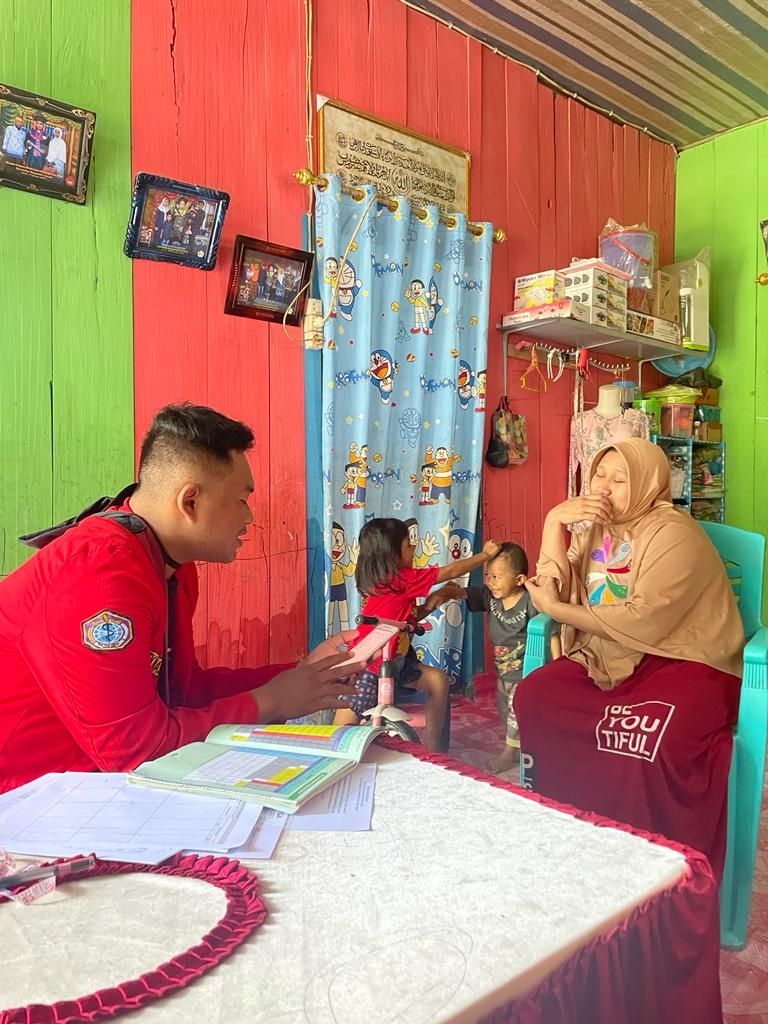
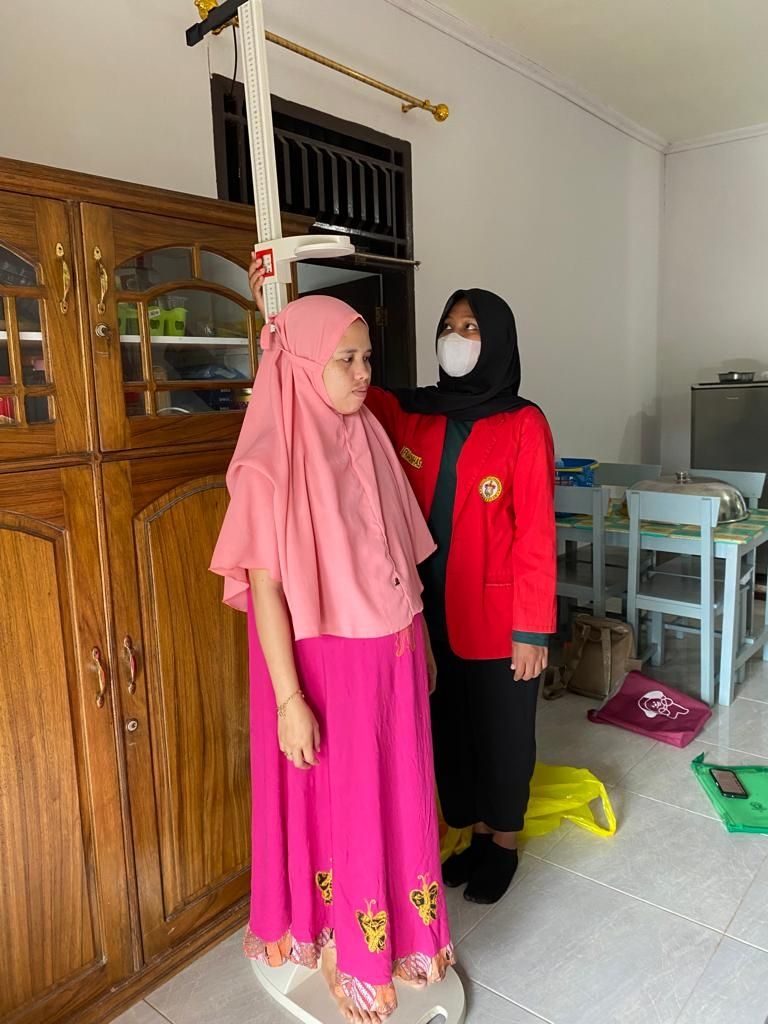
The program was designed to provide students with practical experience outside the conventional classroom while applying their academic knowledge to real community nutrition conditions. Through field-based activities, students were involved in collecting baseline information related to pregnant women and toddlers experiencing undernutrition. This activity enabled students to interact directly with communities and gain practical experience relevant to maternal and child nutrition assessment.
Session focus: Strengthening community-based learning through baseline data collection on maternal and child nutrition.
During the implementation, the 14 students participated in the collection of baseline data on pregnant women and undernourished toddlers in the two target districts. The field activities provided students with opportunities to engage directly with community members and understand local nutritional conditions. The students were accompanied by Prof. Veni Hadju and Dr. Hasan Basri throughout the program, providing academic guidance and supporting the implementation of the field activities.
The MBKM program also involved collaboration with the university, the Banggai Regency Government, local government stakeholders, and the community. This collaboration facilitated student access to the field setting and supported the implementation of community-based data collection. The program therefore served a dual purpose: providing meaningful experiential learning for students while generating baseline information relevant to maternal and child nutrition in the target communities.
An important output of the program was the production of field reports and scientific articles based on the activities and baseline information collected during the program. These outputs documented the students’ field experiences and findings and provided academic products that could support further discussion and development of nutrition-related activities in the target communities.
The program contributes to SDG 4: Quality Education by providing 14 Nutrition students with practical, community-based learning experiences and opportunities to apply academic competencies in real-world settings. It also supports SDG 3: Good Health and Well-being by generating baseline information concerning pregnant women and undernourished toddlers. In addition, the collaboration among Hasanuddin University, academic supervisors, the Banggai Regency Government, local stakeholders, and the community contributes to SDG 17: Partnerships for the Goals.
Overall, the MBKM Student Program demonstrates the integration of higher education, experiential learning, community engagement, and nutrition-related field activities, while producing tangible academic outputs in the form of reports and scientific articles.