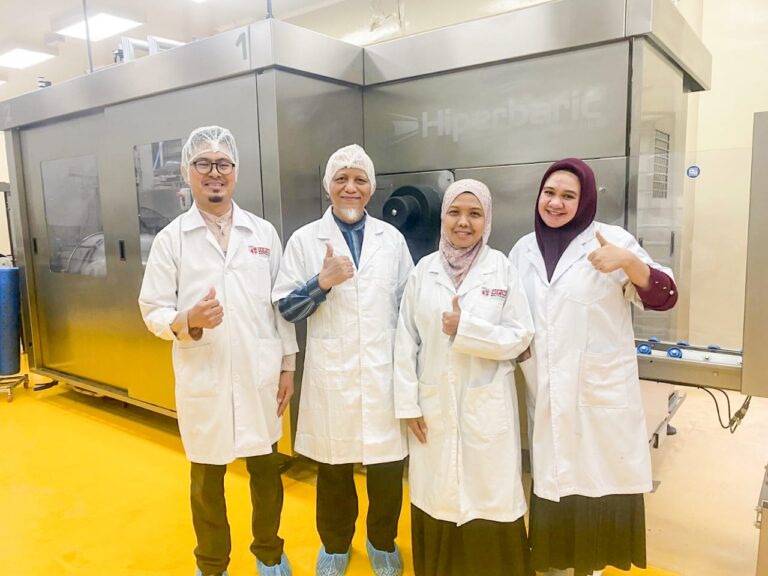

This research is part of the Thematic Research Group (TRG) on Maternal and Child Health, led by Prof. Veni Hadju. The research group focuses on strengthening scientific evidence in maternal and child nutrition, particularly through interventions initiated during the preconception period. Adolescent girls are an important target because their nutritional status can influence reproductive health, nutritional status during pregnancy, and the subsequent growth and development of their children. Early nutritional intervention in adolescent girls therefore represents a long-term investment in maternal and child health.
The research was further developed as part of the dissertation of Musfira, a doctoral student in Public Health Science at Hasanuddin University, and has progressed to the mid-test stage. The research was conducted in South Galesong District, Takalar Regency, a coastal area with considerable marine resource potential but continuing challenges in meeting nutritional needs, particularly among adolescent girls. The local community is predominantly engaged in fishing and farming, providing an important context for developing applicable nutrition interventions.
Session focus: Improving the nutritional and cognitive well-being of adolescent girls through micronutrient supplementation combined with nutrition education and digital communication.
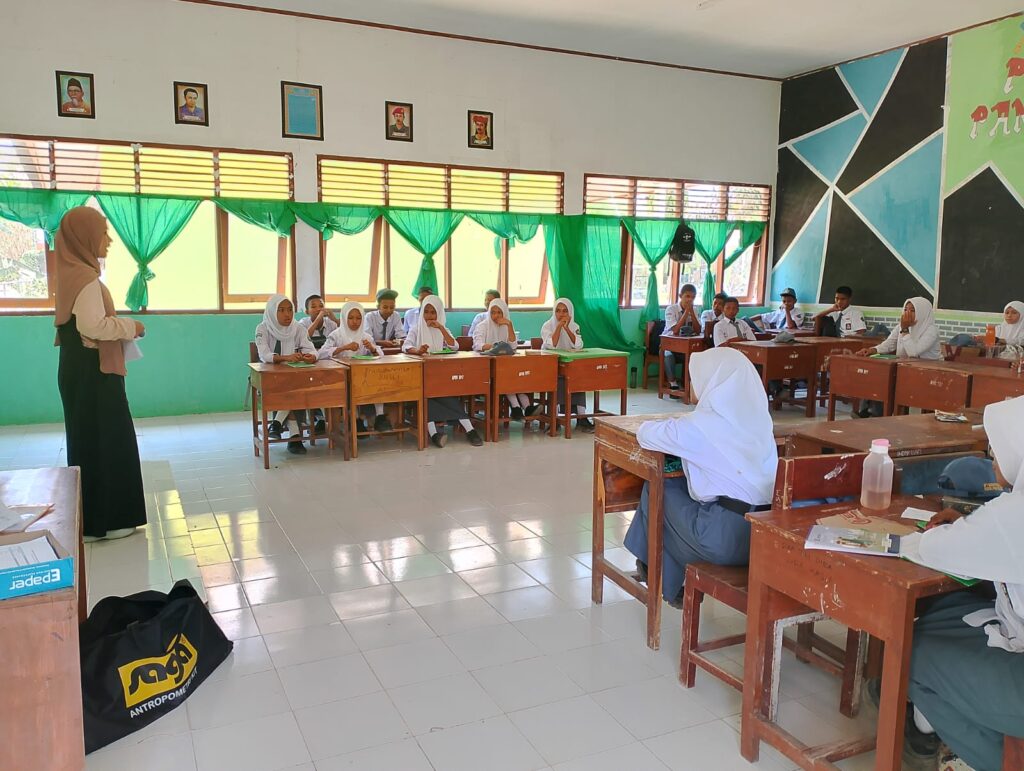
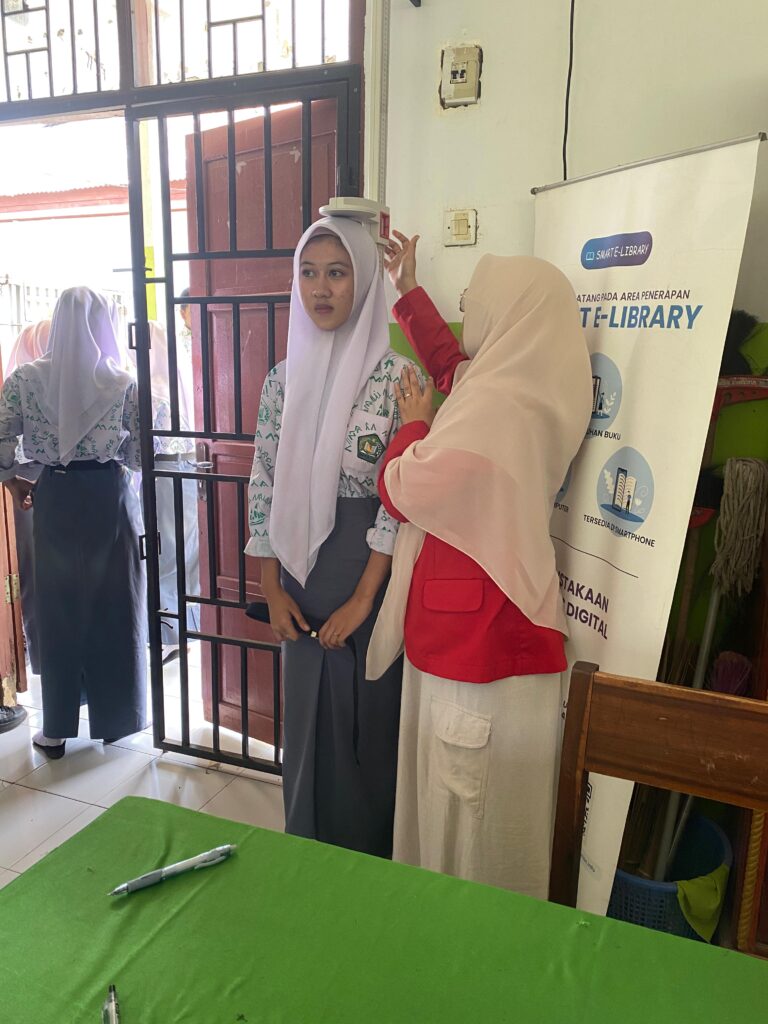
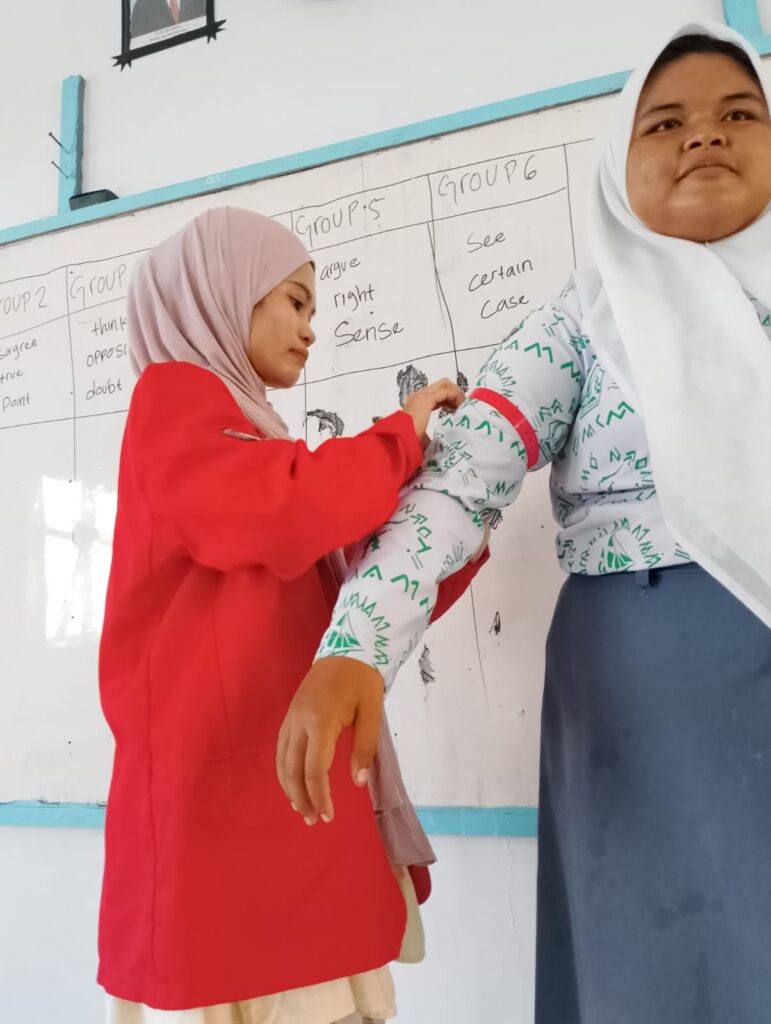
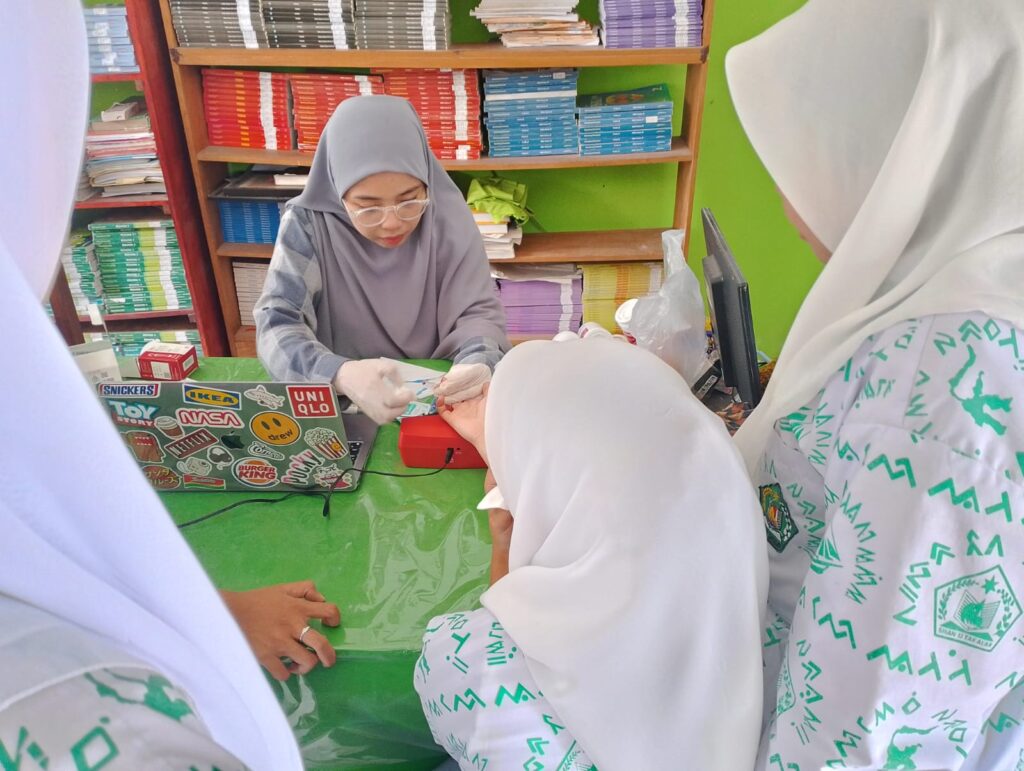
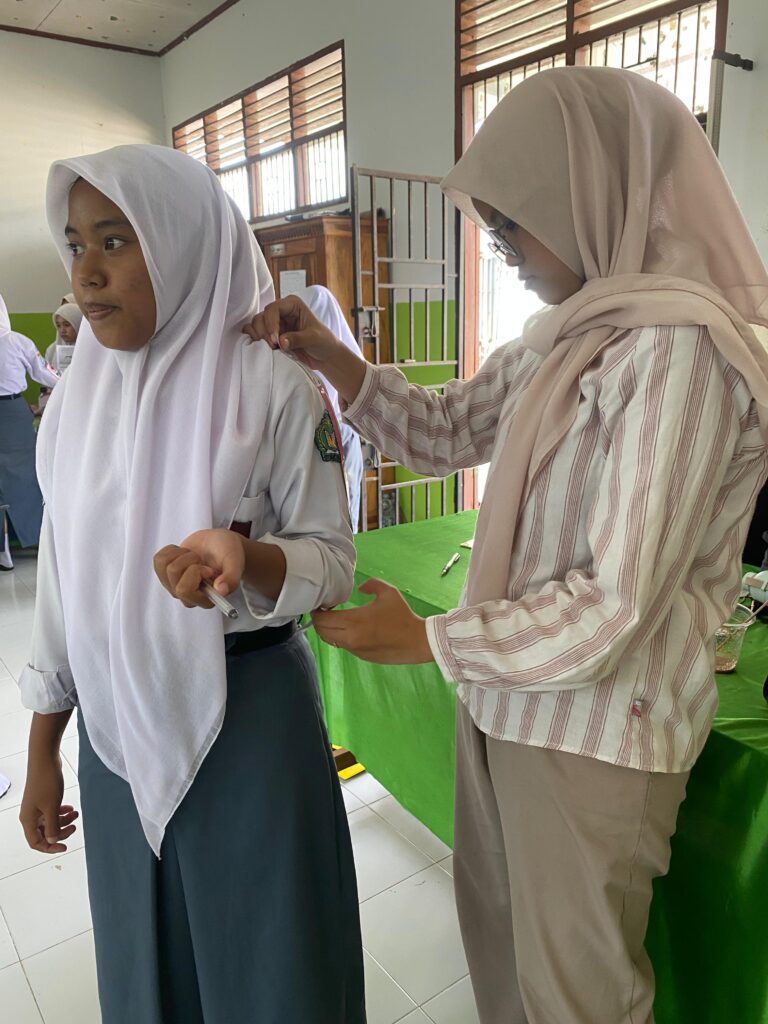
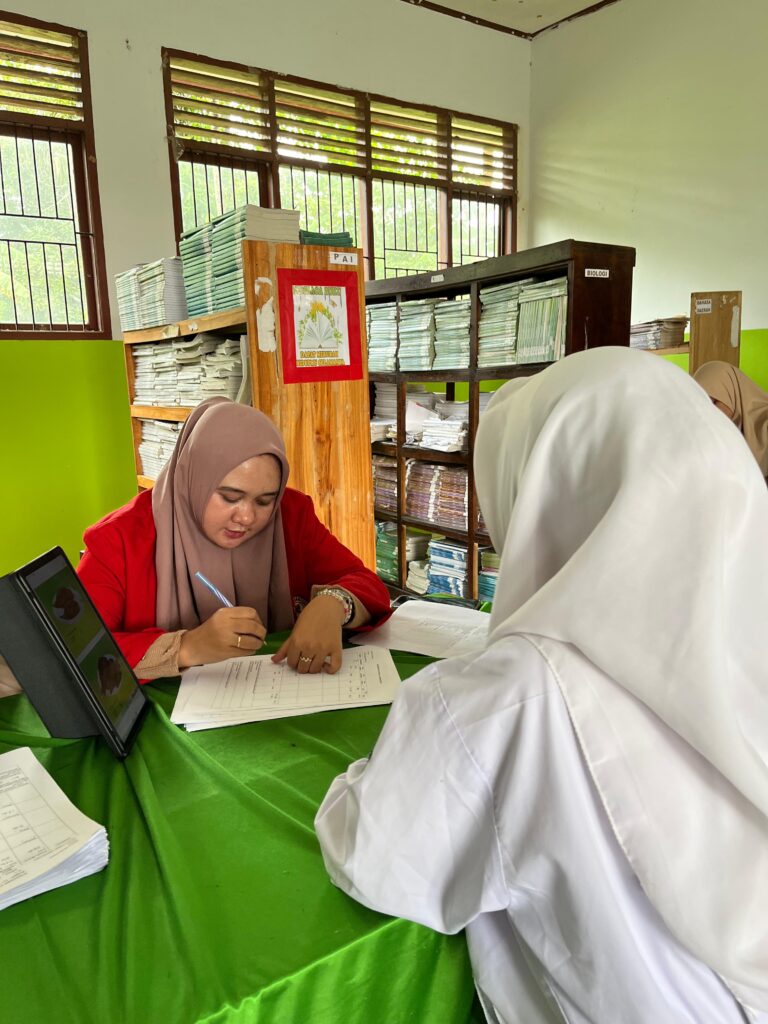
The initial phase was conducted in November 2024 as a baseline assessment involving 372 adolescent girls from State Senior High School 13 Takalar and State Junior High School 3 South Galesong. Baseline activities included measurements of weight, height, and mid-upper arm circumference (MUAC), hemoglobin assessment, nutritional intake assessment, and cognitive function testing. Data collection was conducted by a team of enumerators in collaboration with health workers from Bontokassi Community Health Center (Puskesmas) and was supported by psychologists.
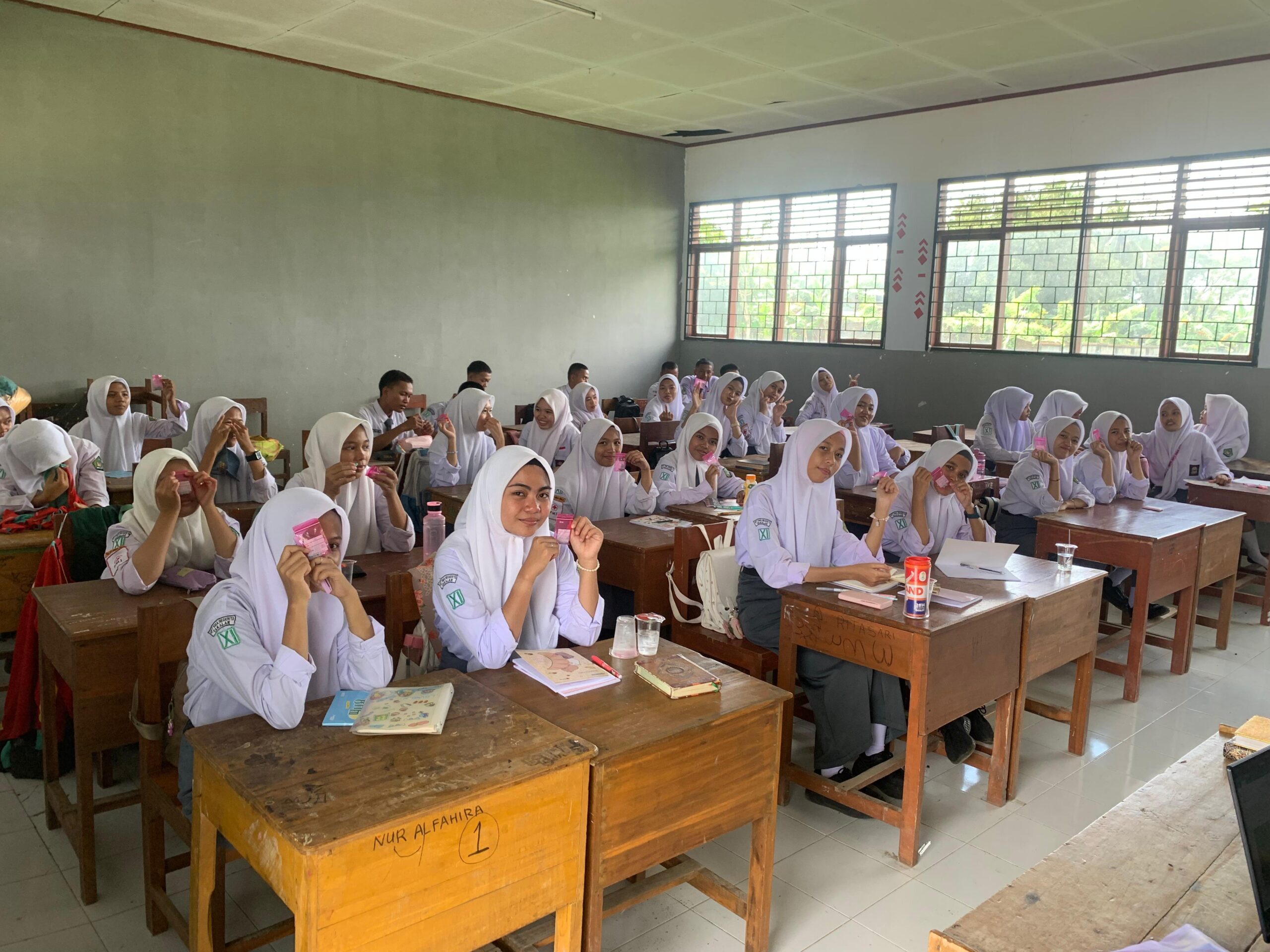
Following completion of the baseline assessment, the intervention began in February 2025. A total of 338 adolescent girls who met the study criteria participated in the intervention. Participants received either Moringa oleifera capsules enriched with Royal Jelly (MRJ) or Iron Supplement Tablets (IST). The supplements were administered twice a week using a double-blind approach, with neither participants nor researchers knowing the assigned supplementation during the intervention.
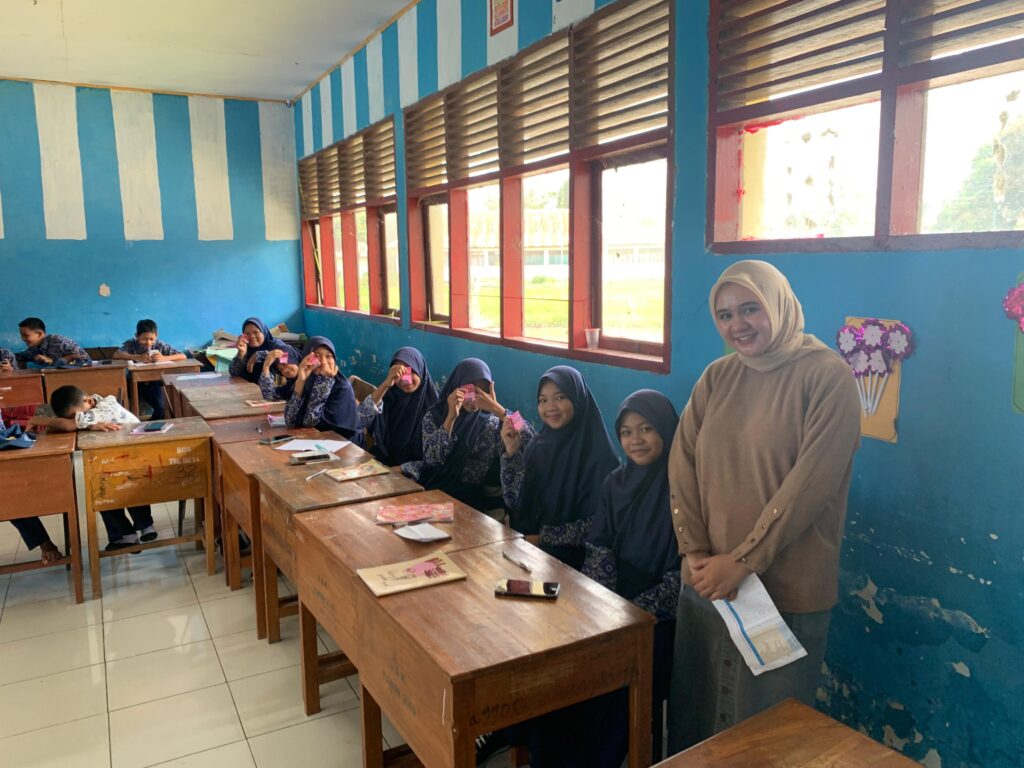
The intervention was complemented by digital nutrition education. Each week, participants attended group viewing sessions of nutrition education videos through TikTok at school, accompanied by teachers and enumerators. The videos were subsequently shared through a dedicated WhatsApp group, enabling participants to access the educational materials at any time. The WhatsApp group also functioned as an active communication channel among the researchers, enumerators, teachers, and participants, supporting communication and implementation across the study locations.
In August 2025, the research entered the mid-test phase, approximately six months after the intervention began. Repeat assessments were conducted using the same key measures as the baseline, including anthropometry, hemoglobin levels, nutritional intake, and cognitive function.
The study is currently positioned as an important component of the TRG’s broader effort to generate evidence on nutrition interventions beginning before pregnancy. Although the final research results are not yet available, the ongoing study integrates supplementation, nutrition education, and digital technology into a structured intervention for adolescent girls. The findings are expected to contribute to the development of sustainable nutrition intervention strategies that can support adolescent health and, in the longer term, maternal and child health.