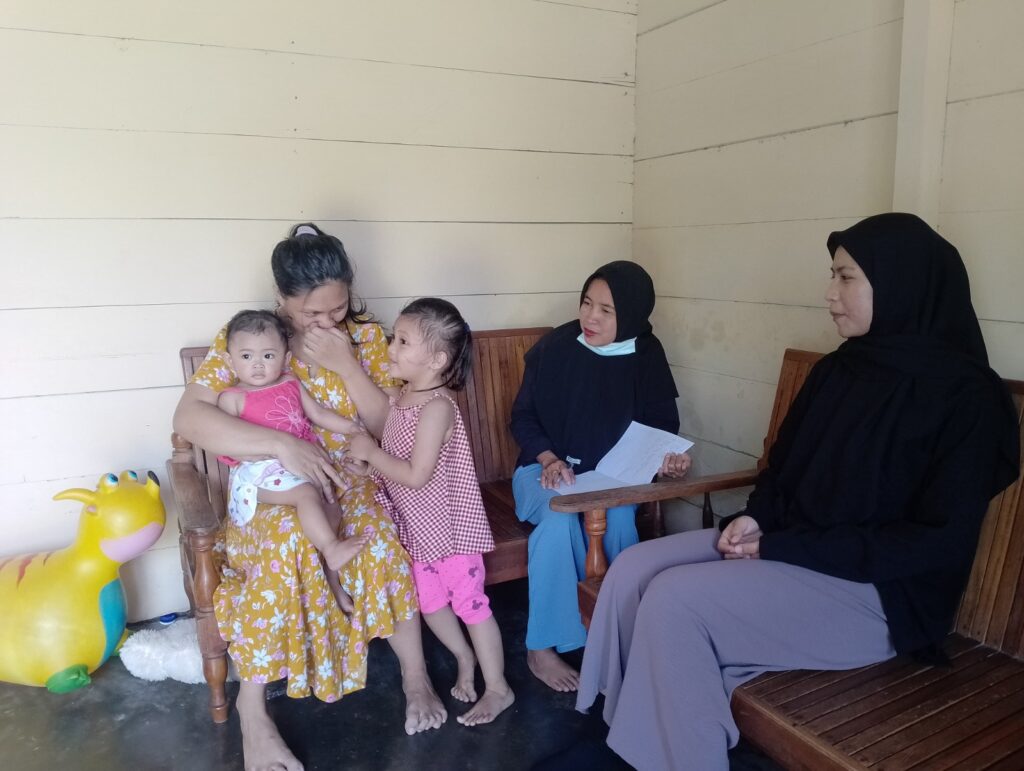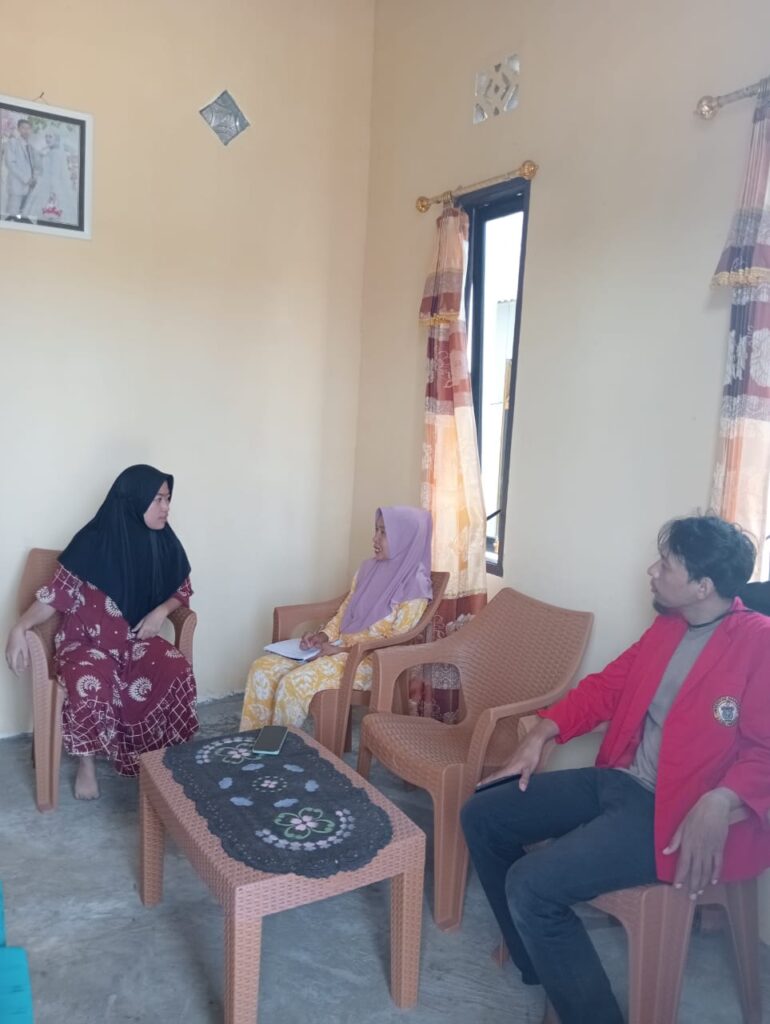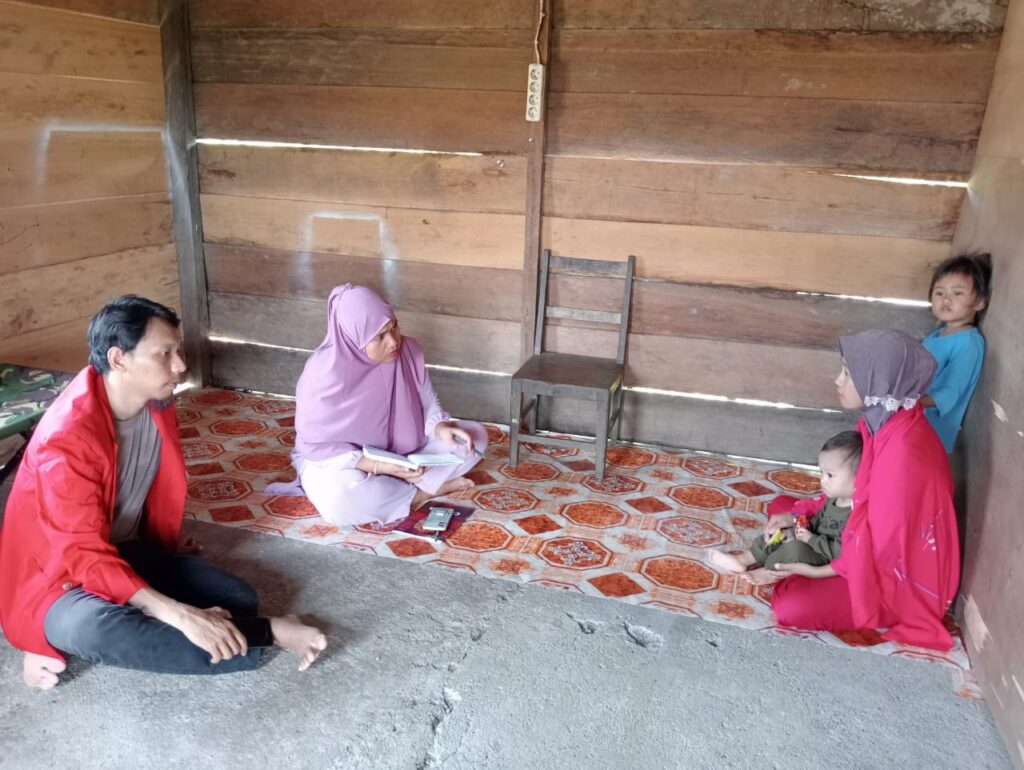

South Batui, Banggai Regency, Central Sulawesi — 13 August–30 September 2024 — Two Master’s students in Nutrition, Sahwin Permadi and Laode Mardin, conducted community-based health intervention activities as part of their research and community service program to complete their studies. The activities focused on strengthening the role of Posyandu cadres in supporting mothers and improving nutritional outcomes among children under two years of age (baduta) in six villages in South Batui.
The program consisted of two related studies. The first, entitled “The Effect of Integrated Service Post (Posyandu) Cadre Mentoring for Mothers of Under-Fed Children on Knowledge, Attitudes, and Practices of Complementary Feeding, and Self-Efficacy,” aimed to assess the effect of Posyandu cadre mentoring on mothers’ knowledge, attitudes, complementary feeding practices, and self-efficacy. The study involved children aged 6–24 months and was conducted in three intervention villages and three control villages.
The second study, entitled “The Effect of Integrated Health Post (Posyandu) Cadre Guidance for Mothers of Toddlers on Toddler Nutritional Status,” examined the effect of Posyandu cadre guidance on the nutritional status of children. The activities were implemented in six villages, with 30 baduta in each village, resulting in a total of 180 participating children. The intervention villages were Masing, Gori-Gori, and Ombolu, while Maleo Jaya, Sukamaju 1, and Sukamaju served as control villages.
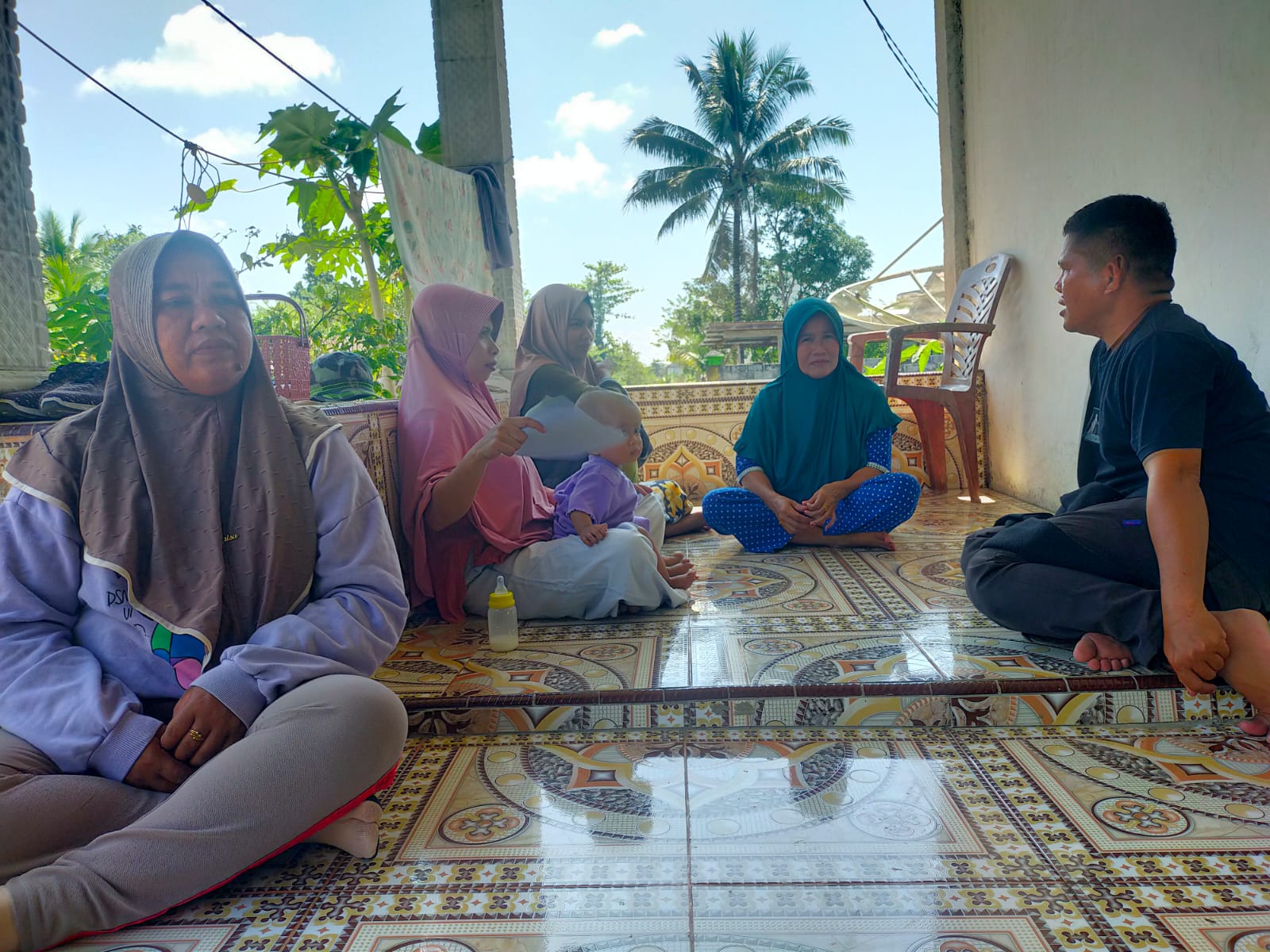
The intervention was conducted over two months. Preliminary research in South Batui showed that most Posyandu cadres had received material mainly on anthropometric measurements but rarely provided guidance to mothers of toddlers. The mentoring and guidance activities therefore emphasized strengthening cadres’ capacity to provide practical support to mothers, particularly regarding complementary feeding and child nutrition. The approach also strengthened the connection between academic research, Posyandu services, and community participation in addressing nutrition problems at the village level.
In the first study, mothers with children aged 6–24 months were divided into intervention and control groups. The findings showed that short-term mentoring by Posyandu cadres significantly improved mothers’ knowledge, attitudes, complementary feeding practices, and self-efficacy among mothers with under-fed children. In the second study, the intervention group receiving cadre guidance experienced an improvement in nutritional status compared with the control group.
Session focus: Strengthening Posyandu cadre mentoring and guidance to improve maternal feeding practices and child nutritional status.
The activities contribute to the Sustainable Development Goals (SDGs), particularly SDG 3: Good Health and Well-being, through community-based nutrition interventions and support for child health. They also support SDG 4: Quality Education by strengthening nutrition knowledge and practical skills among mothers, cadres, and nutrition students. Furthermore, the activities contribute to SDG 1: No Poverty by addressing nutritional vulnerability among children in rural communities and strengthening community-based approaches to improve child nutrition.