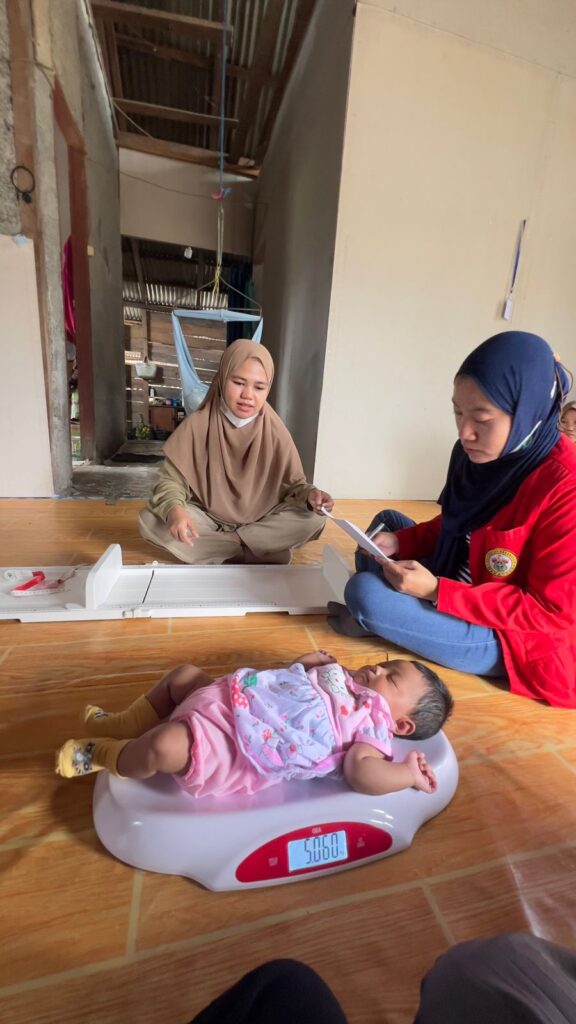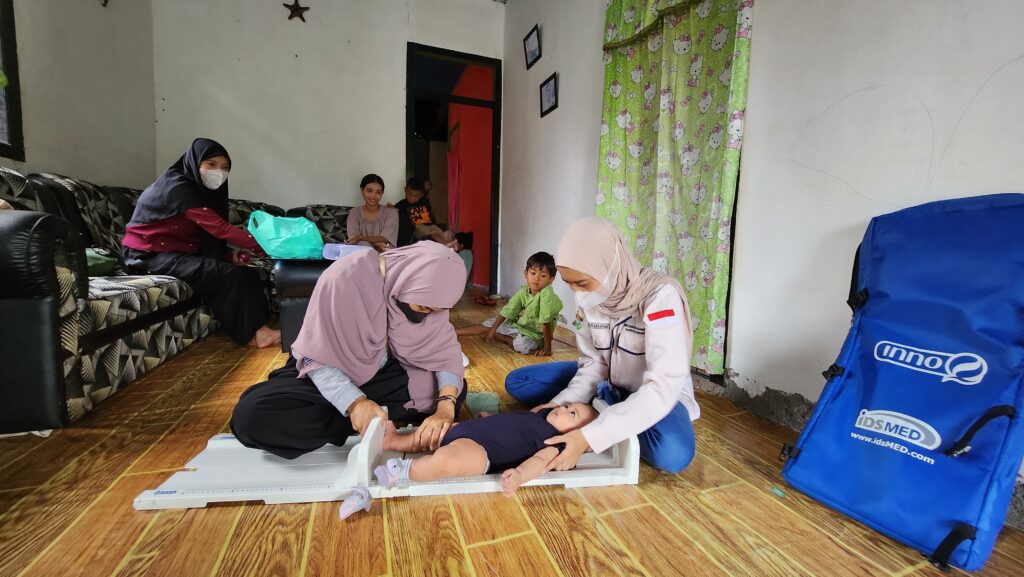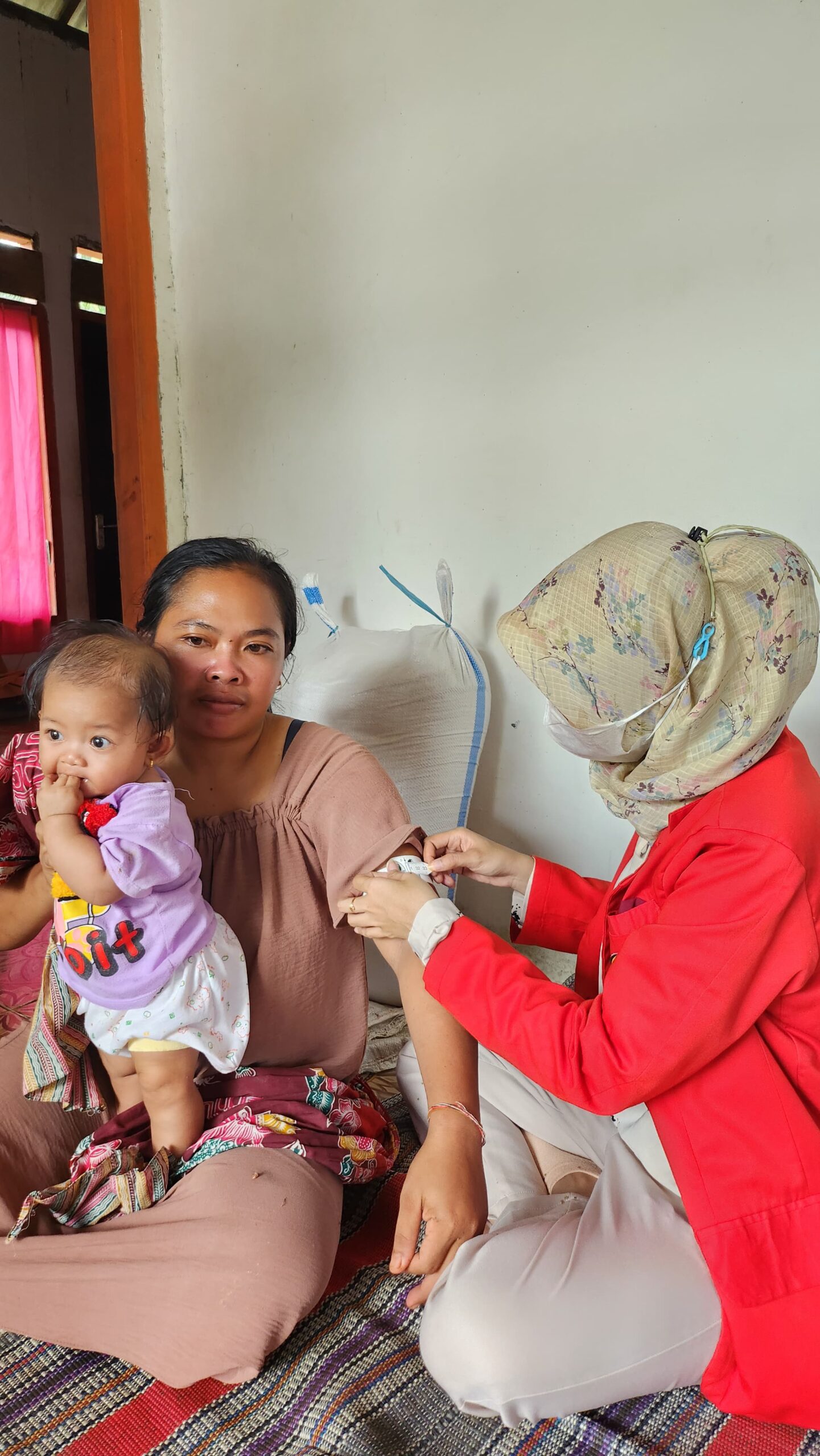

South Batui District, Central Sulawesi — August–October 2023 — A community-based maternal health intervention entitled “Giving MRJ and MMS Capsules to Pregnant Women in the Second Trimester” was conducted as part of an academic research and field implementation program in South Batui, Banggai Regency, Central Sulawesi. The activity involved four midwifery students as part of their research and community service requirements and focused on improving maternal health outcomes among pregnant women in the second trimester through structured nutritional supplementation strategies.
The program aimed to evaluate the effects of Royal Jelly-enriched Moringa Leaf Extract (MRJ) capsules compared with Multiple Micronutrient Supplementation (MMS) on maternal physiological and nutritional indicators. The intervention was designed as a comparative field-based study involving pregnant women who were divided into intervention and comparison groups across four research components focusing on different maternal health parameters.
The first component assessed the effect of MRJ supplementation on cortisol levels and maternal stress status, involving 31 pregnant women in the MRJ group and 30 women receiving MMS. The second component evaluated the impact of supplementation on maternal weight gain and mid-upper arm circumference (MUAC), with 28 participants in each group. The third component analyzed the effects on malondialdehyde (MDA) levels and total lymphocyte count (TLC). In this component, the intervention group received two MRJ capsules daily, while the comparison group received one MMS tablet daily for three months. The fourth component examined the effects of MRJ supplementation on hemoglobin levels, erythrocyte count, and erythrocyte indices, involving 31 women in the intervention group and 30 women in the control group.
Session focus: Assessing the impact of MRJ and MMS supplementation on maternal nutritional and physiological health indicators during pregnancy.
Throughout the three-month intervention period, structured supplementation and monitoring were conducted to support adherence and data validity. The comparative approach between MRJ and MMS provided an evidence-based framework for assessing functional nutritional interventions during pregnancy. The findings indicated that MRJ-enriched Moringa supplementation has potential benefits in supporting maternal physiological balance, nutritional status, and hematological improvements when compared with standard micronutrient supplementation.
The activity contributes to the Sustainable Development Goals (SDGs), particularly SDG 3: Good Health and Well-being, through its focus on maternal health and nutritional risks during pregnancy. It also supports SDG 2: Zero Hunger by addressing nutritional and micronutrient concerns among pregnant women. Furthermore, the activity contributes to SDG 4: Quality Education by providing four midwifery students with practical experience in field-based research, community engagement, and evidence generation. It also reflects SDG 17: Partnerships for the Goals through collaboration among students, academic supervisors, and community health settings.
Overall, this activity demonstrates the integration of academic research, student learning, and community-based maternal health intervention to address nutritional challenges among pregnant women in rural settings.