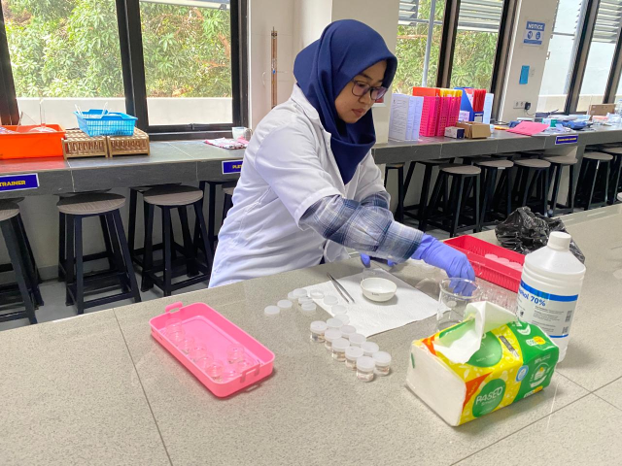
Scientific research can turn the natural resources around us into new knowledge and potential solutions for public health. This vision was reflected in an international research project entitled “Characterization and Wound-Healing Effects of Fucoidan from Sargassum polycystum Collected in South Sulawesi in a Staphylococcus aureus-Infected Rat Model.” The study brought together researchers from Indonesia and the United States to investigate the potential of fucoidan, a natural compound derived from Sargassum polycystum, in supporting wound healing under conditions complicated by bacterial infection.
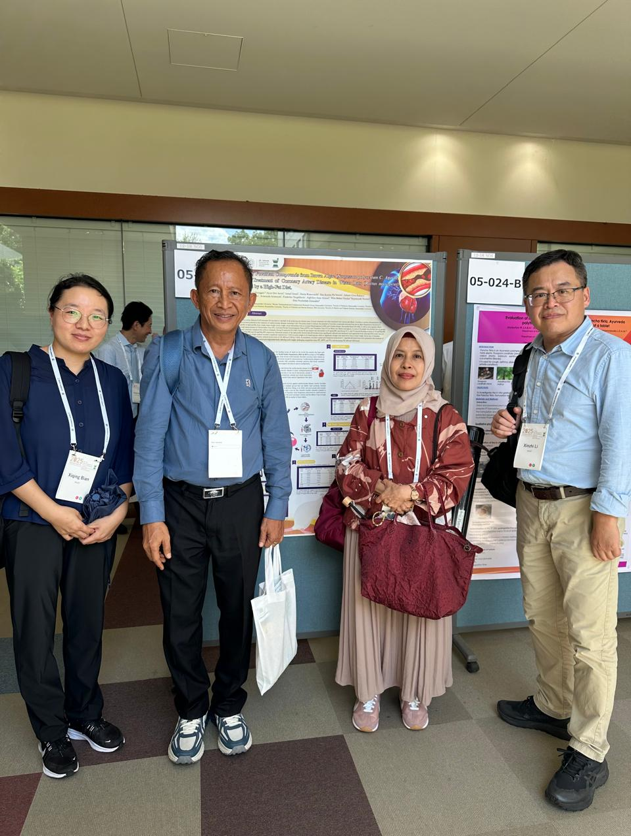
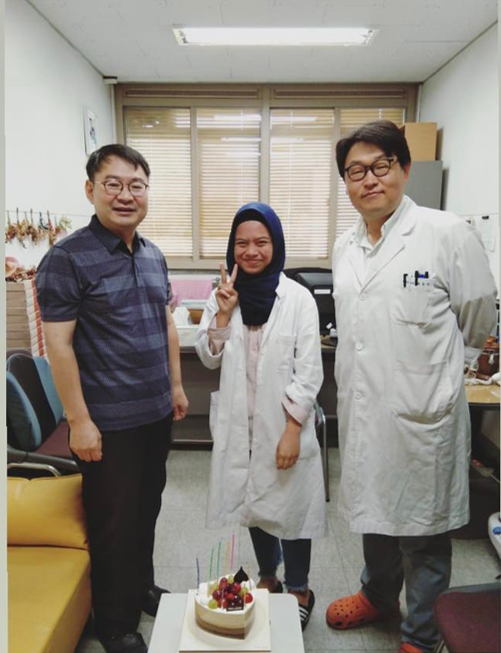
The research involved 11 researchers and was conducted through an international research collaboration between Universitas Hasanuddin and Oregon State University, Corvallis, OR, USA (Ngoc Dan Thuy Nguyen & Taifo Mahmud). The collaboration provided a platform for researchers to combine scientific expertise and approaches from different academic environments while strengthening international networks in health and natural product research.
The main objective of this research was to characterize fucoidan obtained from Sargassum polycystum collected in South Sulawesi and evaluate its potential wound-healing effects in wounds infected with Staphylococcus aureus. This research is important because infected wounds can be more difficult to heal and may require appropriate therapeutic approaches. By studying a naturally derived compound, researchers aim to better understand its characteristics and biological potential as a foundation for future wound-care research.
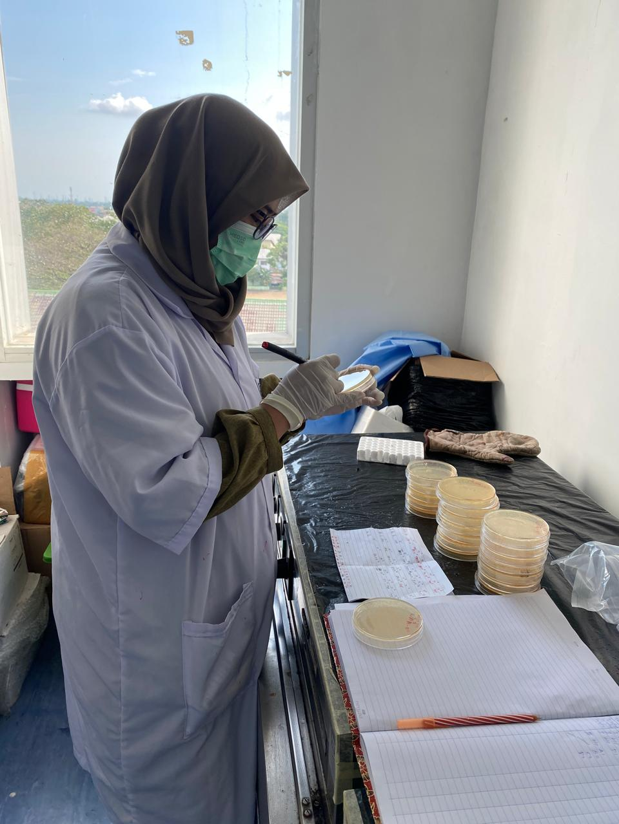
The study also provided an important educational experience for Fausyiah, Sulistiawati, Siti Nur Fatimah, and Stephanie, who participated as students in the research process. Their involvement allowed them to gain practical experience in scientific research, laboratory procedures, data analysis, and academic collaboration. This directly supports SDG 4: Quality Education, particularly by providing opportunities for students to develop research skills and engage with international scientific communities.
The utilization of Sargassum polycystum collected from South Sulawesi also highlights the value of marine biodiversity. Responsible research into marine-derived natural products can encourage greater scientific appreciation of coastal biological resources. Therefore, the activity contributes to SDG 14: Life Below Water, by supporting knowledge and research related to marine resources while emphasizing the importance of understanding and responsibly utilizing marine biodiversity.
The collaboration further supports SDG 17: Partnerships for the Goals, demonstrating how international partnerships can connect institutions, researchers, and students to address scientific challenges. At the same time, strengthening research capacity and developing knowledge that may contribute to future health innovations aligns with SDG 1: No Poverty, as education, scientific capacity, and innovation can contribute to broader opportunities for sustainable development.
Overall, this research demonstrates that international collaboration can create value beyond the laboratory. By combining marine biodiversity from South Sulawesi, scientific expertise, student participation, and international partnerships, the project contributes to the development of knowledge while supporting education, sustainable resource awareness, and future innovations in wound care.