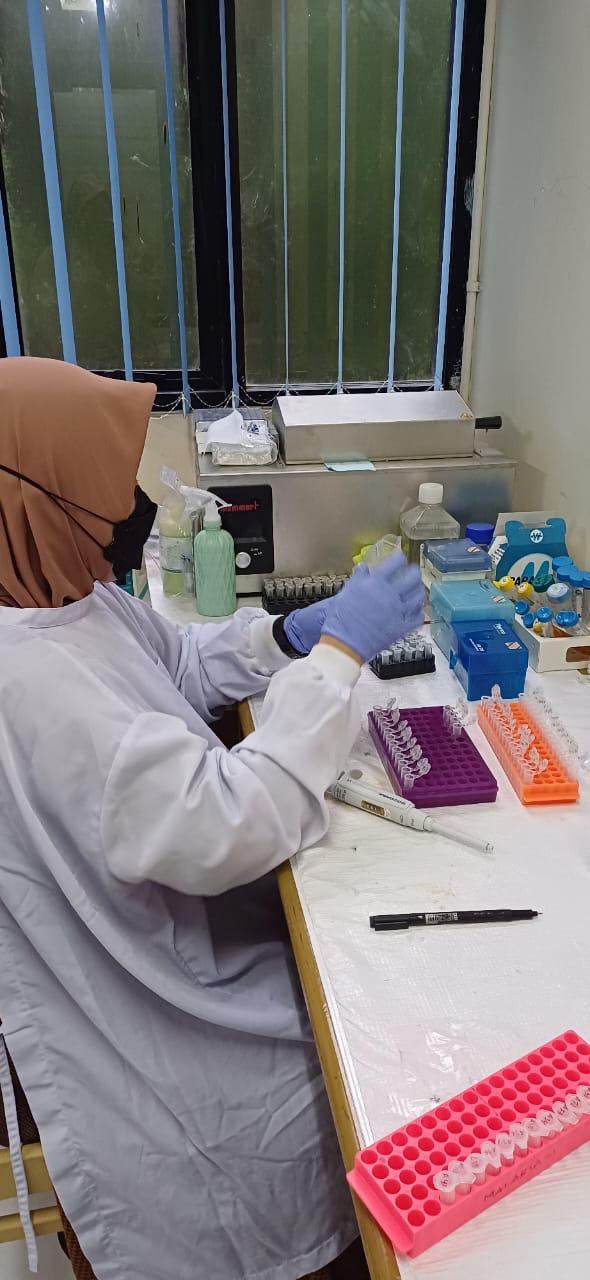

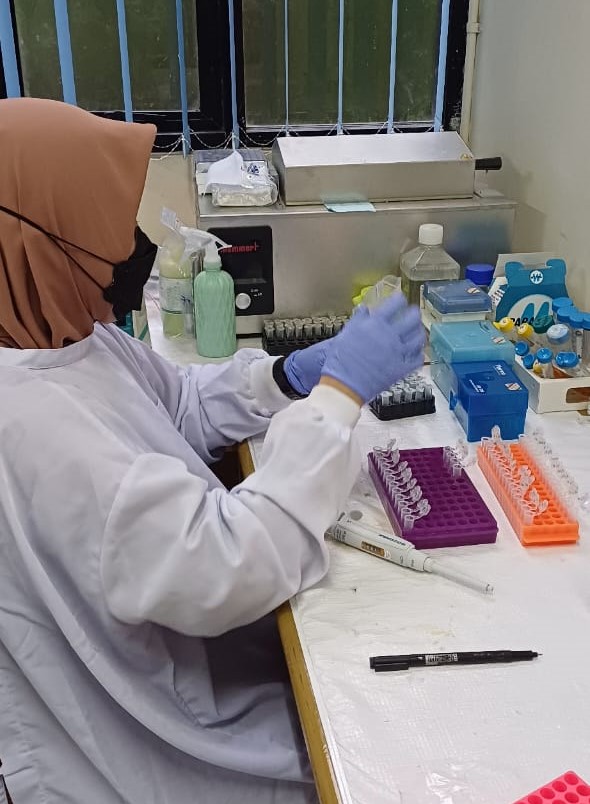
The activity was carried out by one participant, reflecting a focused and controlled laboratory process to ensure precision and quality in each step. Despite involving a single researcher, the work followed standardized protocols and rigorous laboratory procedures, including sample preparation, DNA extraction, and quality assessment. The use of dried blood spots offers several advantages, such as ease of storage, transportation, and long-term preservation of genetic material, making it highly suitable for studies conducted in remote or resource-limited settings.
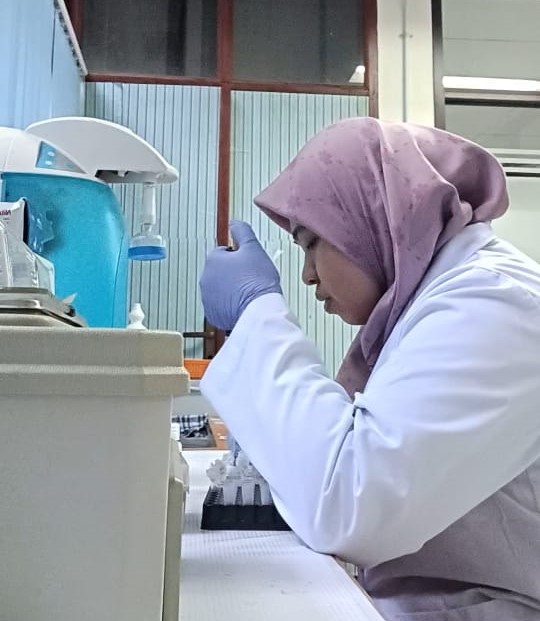
The primary goal of this activity was to obtain Plasmodium DNA that can be used for further molecular analyses, including polymerase chain reaction (PCR) and sequencing. Identifying Plasmodium species at the molecular level is essential for understanding malaria epidemiology, detecting mixed infections, and supporting surveillance of drug resistance. Accurate species identification also contributes to more effective case management and targeted treatment strategies, particularly in endemic regions where multiple Plasmodium species may coexist.
This laboratory activity was conducted with strict adherence to scientific protocols and quality control measures. Each step was carefully monitored to prevent contamination and ensure the integrity of the extracted DNA. The experience also provided valuable technical learning, reinforcing laboratory skills in molecular biology techniques and data reliability. Although performed individually, the activity contributes to a broader research framework focused on improving malaria diagnostics and control strategies.
This work directly contributes to several Sustainable Development Goals (SDGs). It supports SDG 3 (Good Health and Well-being) by advancing research aimed at improving malaria diagnosis and treatment. It also contributes to SDG 4 (Quality Education) by enhancing technical skills and scientific capacity in molecular research. Furthermore, this activity strengthens SDG 17 (Partnerships for the Goals), as the data generated can be shared and utilized within collaborative research networks. In addition, the research aligns with SDG 1 (No Poverty), since improved malaria control can reduce healthcare costs and enhance productivity in affected communities.
Overall, this DNA extraction activity represents a fundamental component of molecular malaria research. By generating reliable genetic material from dried blood spots, the activity supports ongoing efforts to better understand malaria transmission dynamics and improve public health interventions. The outcomes are expected to contribute to more accurate diagnostics, informed treatment strategies, and long-term efforts toward malaria control and elimination.