New Study Highlights the Potential of Complementary Therapies for Diabetic Foot Ulcer Healing in Asia

A recent study published in JMIR AI (2026; Vol. 5) highlights the growing role of artificial intelligence, particularly ChatGPT, as an innovative educational resource in nursing practice. The study, led by Selviana Anwar and Saldy Yusuf along with their team, provides a comprehensive overview of how AI is transforming patient education, clinical support, and nursing training.

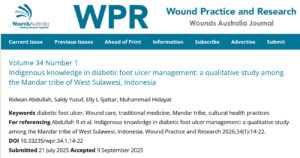
Makassar, Indonesia. A recent study published in Wound Practice and Research (2026; Vol. 34, Issue 1) sheds light on the significant role of indigenous knowledge in managing diabetic foot ulcers (DFUs) among the Mandar tribe in West Sulawesi, Indonesia.
Conducted by Ridwan Abdullah, Saldy Yusuf, and colleagues, the study offers valuable insights into how cultural beliefs and traditional practices shape wound care behaviors in local communities.
Complementary therapies have become a key component of wound care, including diabetic foot ulcers, in many developing countries. Their widespread use calls for thorough investigation and evaluation to ensure they align with evidence-based practices. This approach is essential not only to validate their effectiveness but also to protect communities from potentially harmful or unregulated practices, promoting safe and effective healthcare solutions.

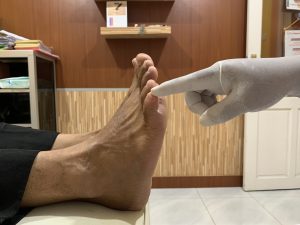
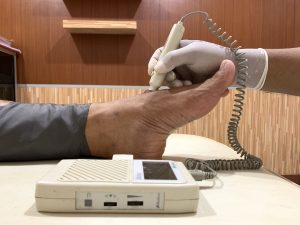
Early detection of diabetic foot ulcer (DFU) risk is a critical first step in preventing DFU. We have introduced the \"Diabetic Foot Check-Up\" program in Indonesia as a simple yet impactful initiative to prevent DFU. Further development and evaluation are necessary to enhance the effectiveness of this program, ensuring its long-term benefits in safeguarding diabetic foot health.

We are currently in an era where people tend to watch rather than read. This shift presents an opportunity to use video as an intervention modality for patients at risk of DFU, including those already experiencing DFU. Videos can effectively enhance knowledge and skills among patients, their families, and healthcare professionals, making them a powerful tool in diabetic foot care education and management.