


Maros, South Sulawesi – As part of the commitment to advancing agricultural innovation through research and knowledge development, the Horticulture Breeding and Biotechnology Research Group conducted a research activity entitled “Breaking the Acid Barrier: New Maize Lines for Challenging Soils.” The study was designed to develop superior maize lines with improved adaptability and tolerance to acid soil conditions, one of the major challenges limiting crop productivity in many agricultural areas.
Acid soils represent a significant challenge for sustainable crop production. High soil acidity can reduce nutrient availability, increase aluminum toxicity, and negatively affect root development and plant growth. These limitations often result in lower productivity and reduced efficiency of agricultural land utilization. Therefore, developing maize varieties that can grow and produce well under acid soil conditions is an important step toward improving food production, especially in areas where soil constraints limit farming potential.
The research activity was conducted in Maros, South Sulawesi, on 8 August 2026. This research involved 8 participants, consisting of researchers and members of the Horticulture Breeding and Biotechnology Research Group who worked together in evaluating maize genetic materials and identifying promising lines with better adaptation to acidic environments.
The main objective of this research was to produce superior maize lines that are tolerant to acid soils. Through systematic evaluation and selection processes, the research focused on identifying genetic materials that possess desirable characteristics, including stronger plant growth, better adaptation, and potential productivity under challenging soil conditions.
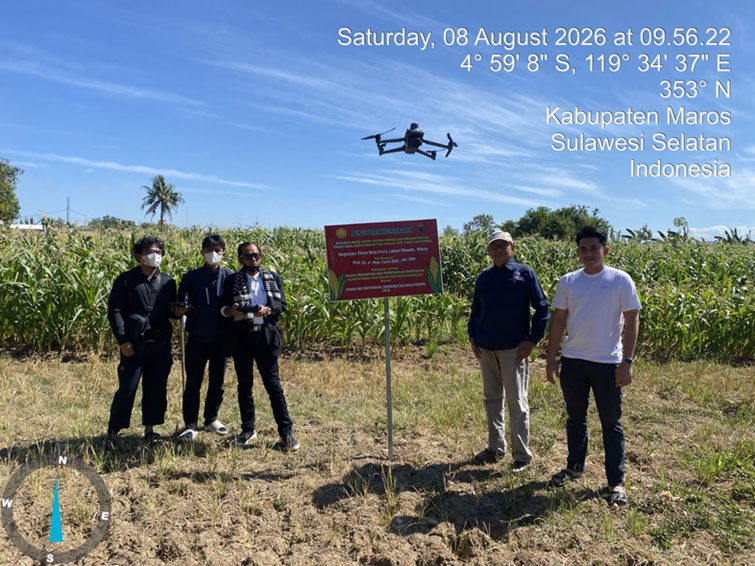
The research process involved field-based evaluation and observation of maize performance under acid soil environments. Researchers analyzed various plant responses to understand how different maize lines reacted to soil acidity stress. This approach allows scientists to identify genetic resources that can be further developed into improved varieties for farmers who cultivate maize in marginal lands.
Developing acid-tolerant maize varieties provides an important opportunity to maximize the use of existing agricultural land without requiring extensive land expansion. By improving crop adaptability, farmers can potentially achieve more stable production while reducing the limitations caused by unfavorable soil conditions.
This research also represents the important role of scientific innovation in addressing agricultural challenges. The development of improved maize genetics requires continuous collaboration, careful evaluation, and the integration of plant breeding knowledge. Through research-based approaches, agricultural scientists can provide solutions that respond to real problems faced by farmers.
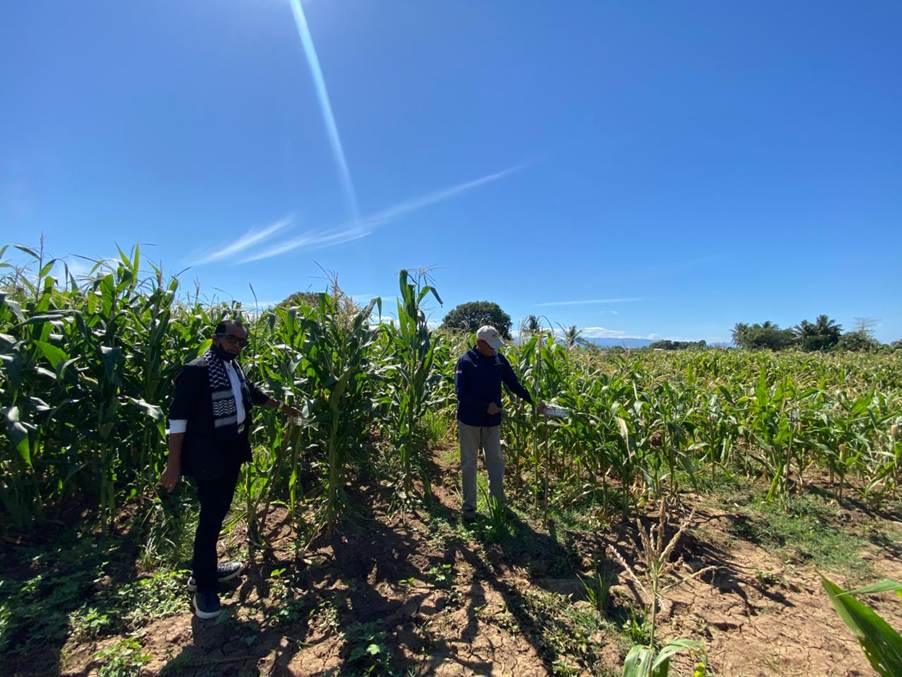
This initiative strongly supports the Sustainable Development Goals (SDGs), particularly SDG 15: Life on Land, by promoting sustainable land utilization through the development of crops adapted to challenging environments. It also contributes to SDG 4: Quality Education by strengthening research capacity, scientific learning, and knowledge development among researchers and future agricultural professionals. Furthermore, the research supports SDG 17: Partnerships for the Goals by encouraging collaboration within research groups and strengthening scientific networks for sustainable agricultural advancement.
Through “Breaking the Acid Barrier: New Maize Lines for Challenging Soils,” the Horticulture Breeding and Biotechnology Research Group demonstrates that agricultural innovation can transform limitations into opportunities. Developing maize varieties that thrive in difficult soil conditions is not only about improving crop performance but also about creating a more resilient and sustainable food system.
By continuing research on climate- and soil-adaptive crops, future agriculture can become more productive, inclusive, and capable of supporting farmers in diverse environments across Indonesia.


