



MAKASSAR, Indonesia Aug 30 2026 /HORTICULTURAL BREEDING AND BIOTECHNOLOGY-RG/– Tomatoes are found on dinner tables everywhere, but growing them successfully in tropical lowland areas is not always easy. In Indonesia, tomato production fell from 1.17 million tons in 2022 to about 1.14 million tons in 2023. Pests, diseases, and varieties that are poorly adapted to local environments are among the reasons behind this decline. For farmers in tropical lowlands, the need is clear: tomatoes must be productive, good in quality, and able to perform under challenging conditions.
But what if the next generation of tomatoes could be selected specifically for lowland environments?
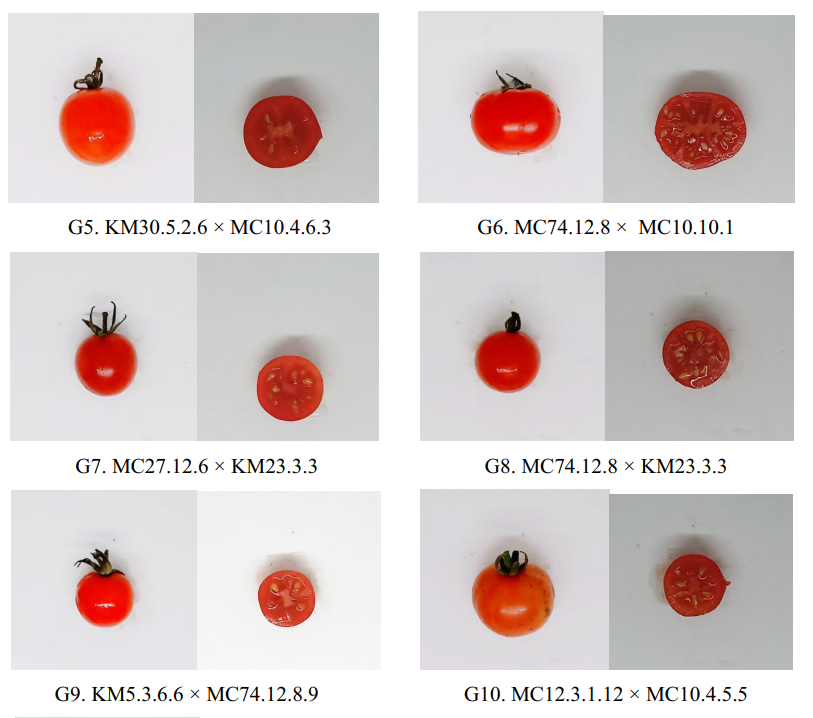
A study titled “Evaluation of tomato hybrid lines adapted to lowland,” published in Open Agriculture by Walter de Gruyter GmbH on August 20, 2025, explored that possibility. Researchers evaluated 16 F1 hybrid tomato genotypes together with three commercial check varieties. The trial was conducted in Makassar, South Sulawesi, at only 22.4 meters above sea level, where temperatures ranged from about 24 to 32°C.
The researchers did not judge the plants by yield alone. They recorded plant height, flowering and harvest time, fruit number, fruit weight, fruit size, sweetness, seed number, and other traits. They then combined several statistical tools—including heritability analysis, correlation analysis, path analysis, and Principal Component Analysis (PCA)—to identify which characteristics mattered most for selecting promising hybrids.
The results revealed considerable genetic variation. G15 recorded the highest field yield at 66.02 tons per hectare. More importantly, traits such as the number of fruits per bunch, number of inflorescences, and total fruit weight per plant had strong direct effects on yield. These traits became important components of the researchers’ selection strategy.
Using an integrated selection index, the study identified 12 F1 tomato lines with positive values and better overall potential for advancement. This approach is valuable because plant breeders must balance many traits at once. A tomato that produces many fruits may not necessarily have the best fruit size, sweetness, or adaptation. Statistical selection helps breeders see the whole picture rather than focusing on a single characteristic.
This research is closely connected to SDG 15: Life on Land. Sustainable use of agricultural land depends on crops that are well matched to their environments. Developing tomato hybrids adapted to tropical lowlands can help farmers obtain better production from existing farmland, strengthen crop resilience, and reduce pressure to expand cultivation into new areas.
The researchers also noted that the selected lines still require testing in multiple locations before their stability and adaptability can be confirmed. Future breeding could also improve nutrients such as lycopene, beta-carotene, vitamin C, and minerals.
For the public, the message is simple: a better tomato is not created by chance. It comes from genetic diversity, careful field testing, and smart selection.
Sometimes, improving the future of food begins with finding the right tomato for the right place.
Reference:
DOI: https://doi.org/10.1515/opag-2025-0456
Contact:
Prof. Muh Farid Bdr
+62 813-5504-1712
hortibb@trg.unhas.ac.id


