

Description
MAKASSAR, Indonesia Apr 14 2026/GMSC/ – Access to social welfare programs remains uneven between peri-urban and rural communities in Indonesia. A recent study found that residents in peri-urban areas often perceive welfare assistance as more effective due to better infrastructure, easier access to information, and closer proximity to public services, while rural communities continue to face barriers such as distance, limited connectivity, and fewer service facilities. The findings underline that reducing poverty requires not only strong policies, but also fair and inclusive delivery systems that reach citizens in every location.
Description
MAKASSAR, Indonesia Apr 15 2026/GMSC/ – Poverty alleviation is increasingly understood as a question of local capacity rather than just financial support. A recent global study highlights that effective poverty reduction depends on how well institutions, communities, and resources work together at the local level. The findings show that stronger governance systems, community networks, and adaptive capacity play a crucial role in responding to crises and sustaining development outcomes, emphasizing that ending poverty requires integrated and context-specific approaches rather than one-size-fits-all policies.
Description
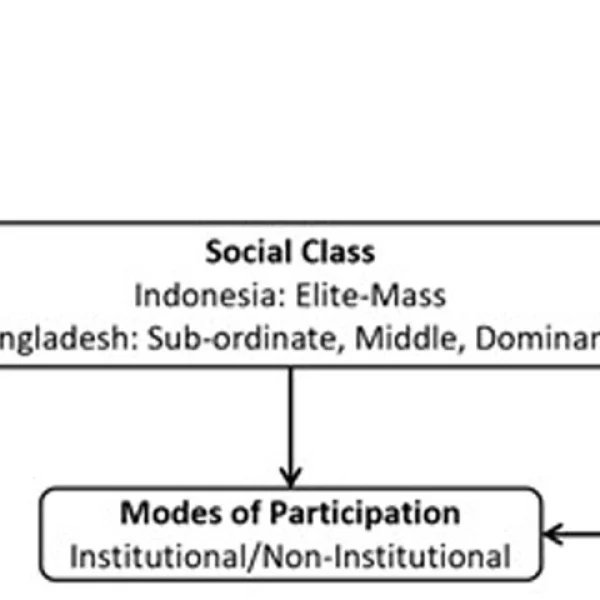
MAKASSAR, Indonesia Oct 28 2025/GMSC/ – Social class continues to shape how citizens engage with democracy in many developing countries. A recent comparative study of Indonesia and Bangladesh found that wealthier groups are more likely to participate through formal political channels such as elections and party activities, while lower-income communities often turn to protests or grassroots action when they feel excluded. This divide highlights that unequal access to political participation remains a major challenge, showing that stronger democracy depends not only on institutions, but also on reducing social inequality.

Description
MAKASSAR, Indonesia Dec 17 2025/GMSC/ – Digital transformation is changing how citizens interact with government, but it does not automatically increase public participation. A recent study in Gowa Regency, Indonesia, found that while digital public services improve efficiency, transparency, and trust in government, citizen engagement through online platforms remains relatively low. The findings highlight a “participation paradox,” where higher trust does not always lead to active involvement, emphasizing that inclusive design, digital literacy, and responsive governance are essential to turning technological progress into meaningful democratic participation.
Description
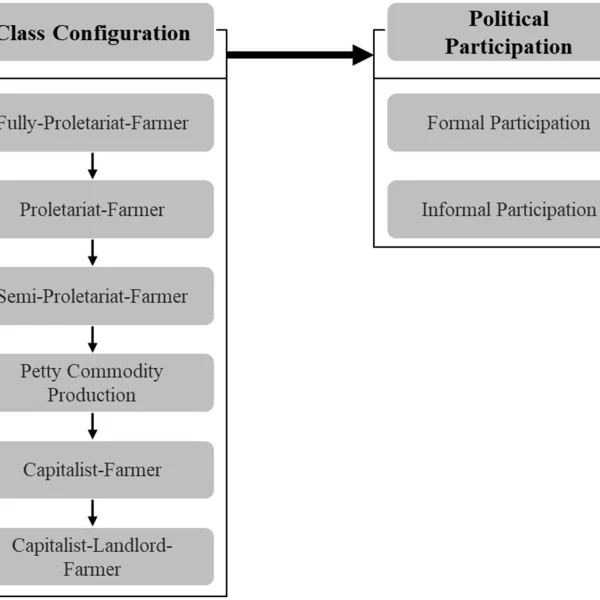
MAKASSAR, Indonesia Mar 25 2025/GMSC/ – Economic inequality in rural communities continues to influence how citizens participate in democracy. A recent study published in Frontiers in Political Science found that farmers with greater access to land, education, and economic resources were more likely to participate in formal political activities such as elections and village meetings. In contrast, small-scale farmers and landless laborers tended to rely more on informal political participation, including community discussions and direct engagement with local officials. The findings from Gowa Regency, Indonesia, highlight that reducing rural poverty and expanding equal access to resources are essential steps toward building more inclusive democratic participation, particularly in support of SDG 1: No Poverty.
Description
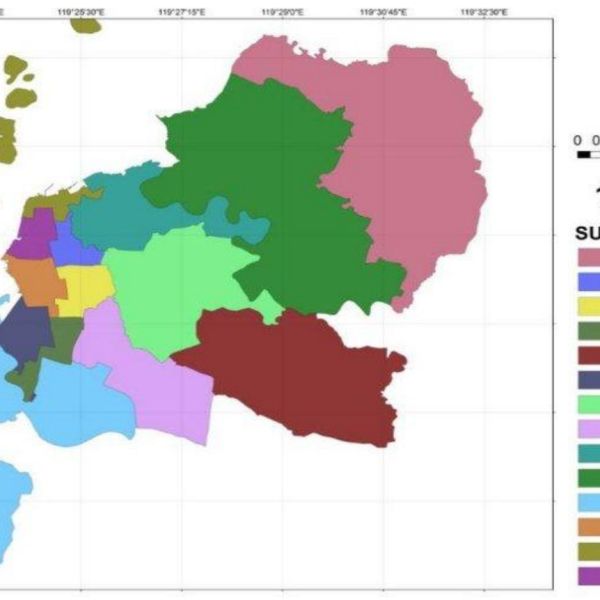
MAKASSAR, Indonesia Mar 6 2025/GMSC/ – Micro, small, and medium enterprises (MSMEs) play a vital role in strengthening social sustainability in urban communities. A recent study in Makassar found that most MSMEs demonstrate strong commitment to social values such as fairness, community engagement, and trust-building, which support business resilience and local development. However, challenges remain in environmental practices and participation in policy processes, highlighting that sustainable growth requires not only economic performance but also stronger social and institutional support systems.
Description
MAKASSAR, Indonesia Jan 27 2025/GMSC/ – Local NGOs are playing an increasingly important role in empowering the urban middle class in Makassar, Indonesia. A recent study found that organizations such as AcSI and Dompet Dhuafa focus on political advocacy and economic support to strengthen the capacity of students, youth, and small business actors. While these efforts have improved skills, independence, and community engagement, challenges such as limited funding and uneven access remain, highlighting that sustainable development depends on strong partnerships between civil society and local communities.
Description
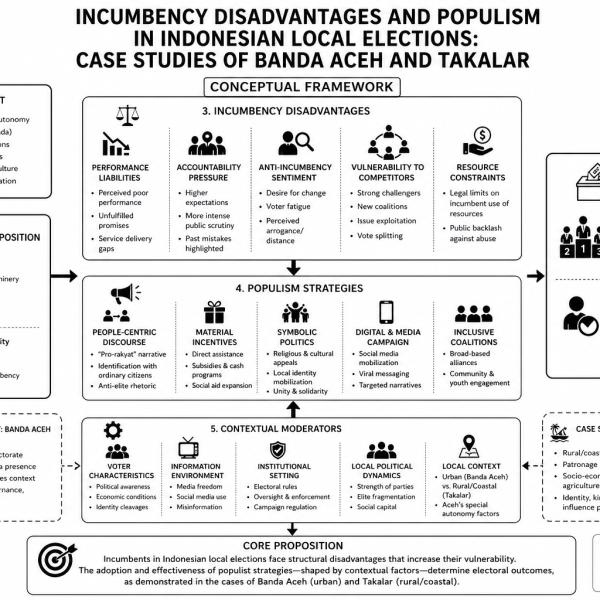
MAKASSAR, Indonesia October 20 2025/GMSC/ – Governance challenges continue to shape development outcomes in Indonesia’s coastal villages. A recent study on village governance found that limited community participation and weak public accountability often hinder the fair distribution of village funds and decision-making processes. While village autonomy has increased under recent policies, power tends to remain concentrated in local elites, leaving many coastal residents—especially small-scale fishers—excluded from meaningful involvement. This situation underscores that achieving SDG 14 (Life Below Water) is not only about protecting marine resources, but also about strengthening inclusive and transparent governance at the local level.
Description
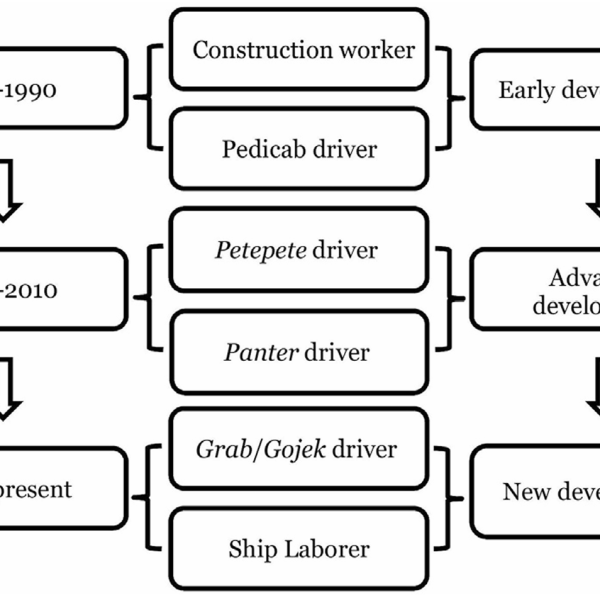
MAKASSAR, Indonesia June 19 2020/GMSC/ – Rural development in Indonesia is not always reducing migration as expected. A recent study in two villages in Jeneponto found that despite increased village funding and infrastructure development, many residents continue to migrate to cities in search of stable livelihoods. Limited job opportunities, low agricultural productivity, and weak local governance remain key drivers of this trend. The findings highlight that achieving SDG 1 (No Poverty) requires more than physical development—it depends on inclusive governance, stronger local capacity, and sustainable economic opportunities that can truly improve rural livelihoods and reduce the need to migrate.