
In many rural communities, democracy is often imagined as equal participation for all citizens. Yet reality tells a different story. In villages where access to land, income, and education is uneven, political participation is also unequal. This important issue was explored in the article “Impact of Class Configuration on Political Participation: Evidence from Gowa Regency, Indonesia,” published in Frontiers in Political Science by Frontiers Media SA on 25 March 2025. The study reveals how social class differences among farmers influence who participates in politics and who remains unheard.
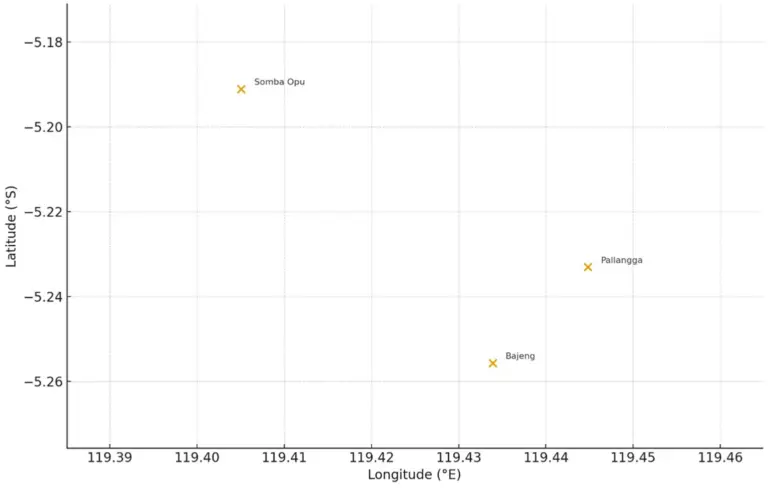
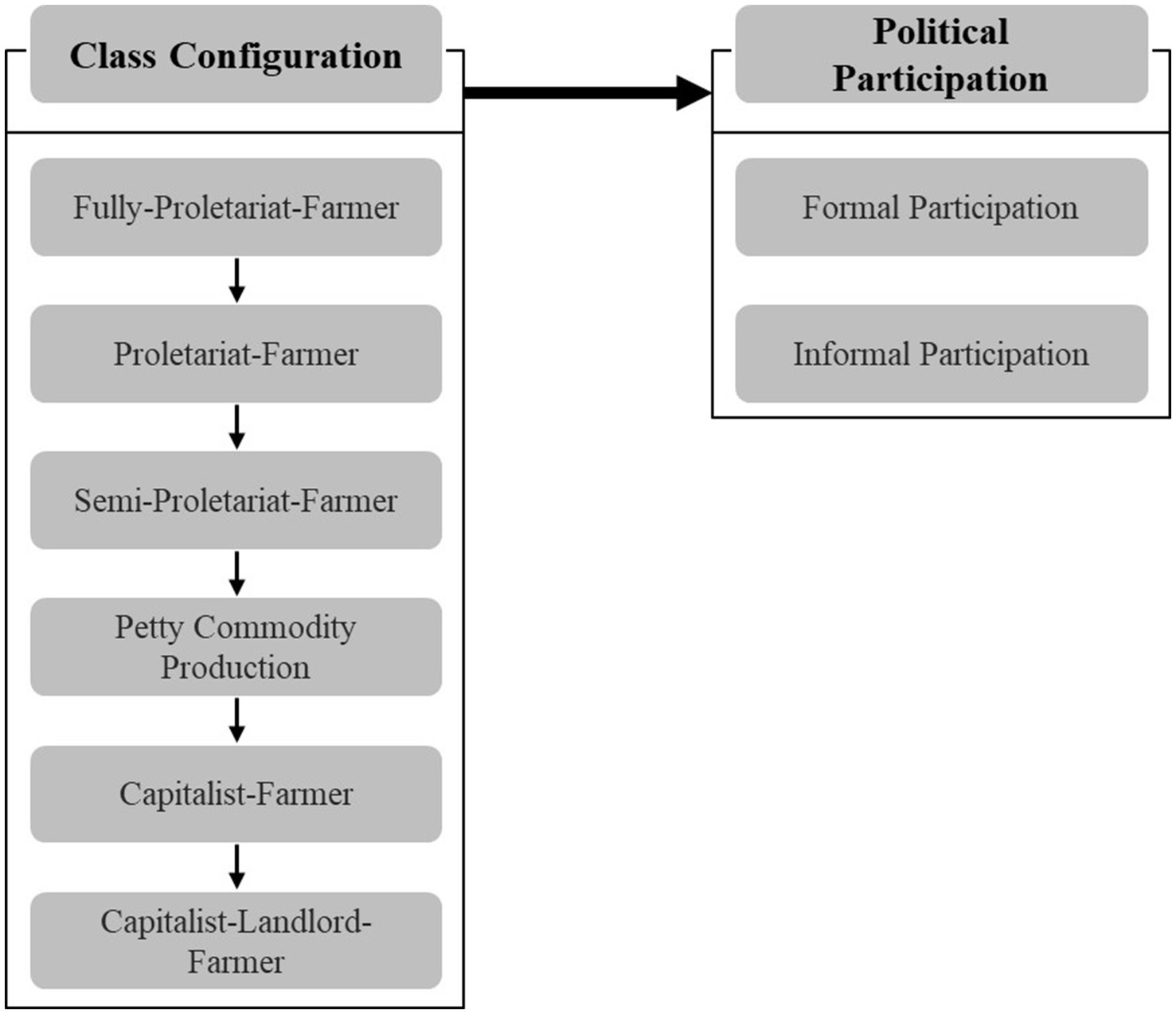
The research focused on Gowa Regency in South Sulawesi, Indonesia, an agricultural region where farming remains the backbone of local livelihoods. By surveying 261 rural households, the researchers discovered that farmers are divided into several social classes based on land ownership, labor relations, and economic resources. Some villagers own large areas of land and employ workers, while others survive as landless laborers or small-scale farmers struggling to meet daily needs.
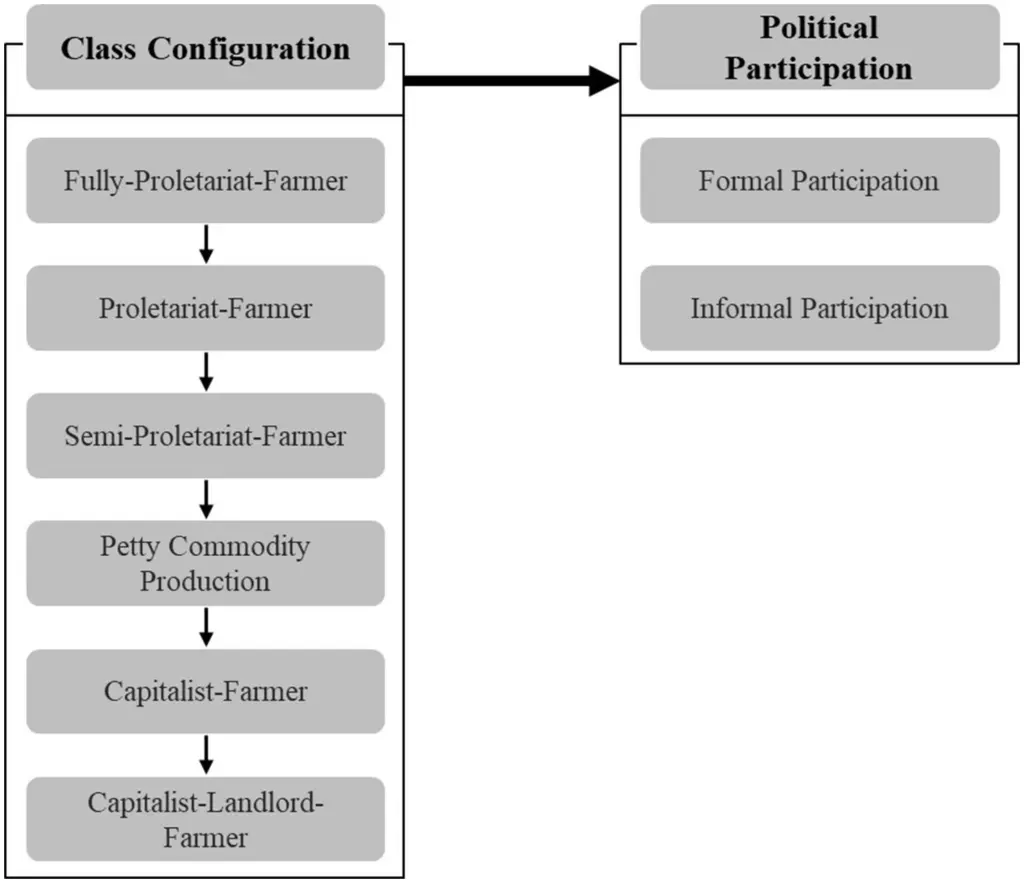
These economic differences strongly affect political participation. Wealthier landowners and capitalist farmers tend to participate more in formal political activities such as elections and official village meetings. They often have better education, stronger social networks, and greater confidence in dealing with government institutions. Meanwhile, poorer farmers and agricultural laborers participate less in formal politics because economic hardship limits their access to information, time, and influence.
Interestingly, the study also found that poorer villagers are often more active in informal political participation. They attend community discussions, speak in informal gatherings, and seek support from village officials more frequently than wealthier groups. For them, politics becomes a direct survival strategy rather than simply a civic duty.
This finding is closely connected to SDG 1: No Poverty. Poverty does not only reduce income; it can also silence people politically. When rural communities lack fair access to land, education, and economic opportunities, their voices in democratic decision-making become weaker. Reducing poverty, therefore, is not only about improving economic welfare but also about strengthening democracy itself.
The research also highlights the importance of education. Villagers with higher levels of education were more likely to engage in both formal and informal political activities. This suggests that empowering rural communities through education and economic opportunities can create more inclusive democratic participation.
The authors argue that governments should promote fairer land distribution, inclusive village governance, and political education programs for marginalized rural groups. Without these efforts, democracy may continue to favor those with economic power while excluding vulnerable communities.
Ultimately, the study reminds us that democracy grows stronger when all citizens—not only the wealthy—have equal opportunities to participate. In rural Indonesia, building a fairer society may begin with ensuring that every farmer has both economic security and a political voice.
Reference:
DOI: https://doi.org/10.3389/fpos.2025.1544614
Contact:
Prof. Nurlinah
+62 812-4249-867
nurlinah@unhas.ac.id
or
Muhammad Chaeroel Ansar
+62 852-4221-2842
mchaeroel@unhas.ac.id