
Why do some communities succeed in reducing poverty while others continue to struggle, even with similar policies? The answer may not lie in funding alone, but in something deeper: local capacity—the ability of communities and governments to work together, adapt, and respond to challenges.
A recent study titled “The Intellectual Structure of Local Capacity and Poverty Alleviation: A Bibliometric Analysis and Future Directions”, published in World Development Sustainability by Elsevier on 15 April 2026, offers a comprehensive look at how global research has evolved on this topic. By analyzing 181 academic publications from 2014 to 2024, the study maps how scholars understand the relationship between local governance and poverty reduction.
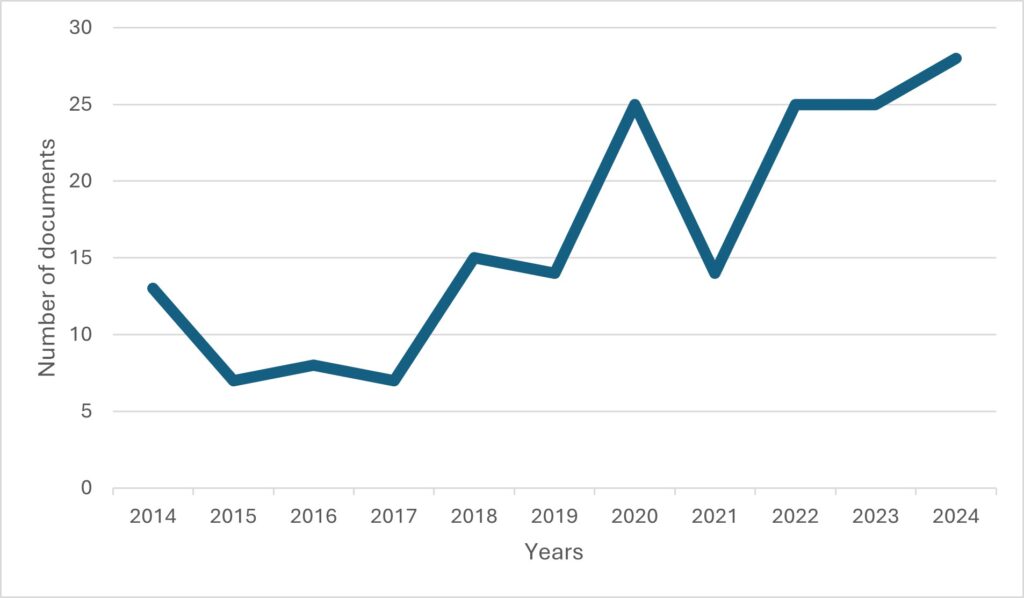
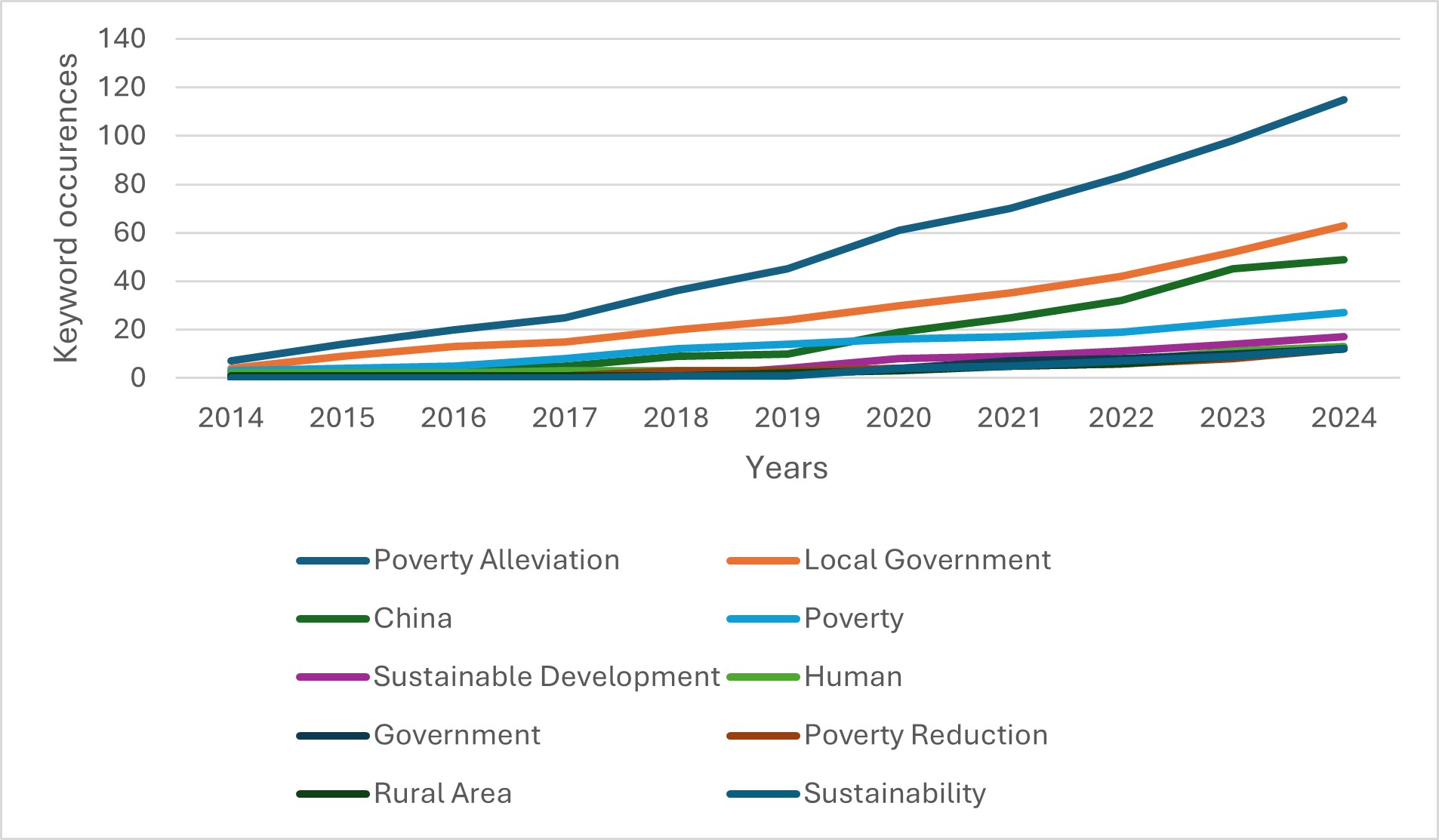
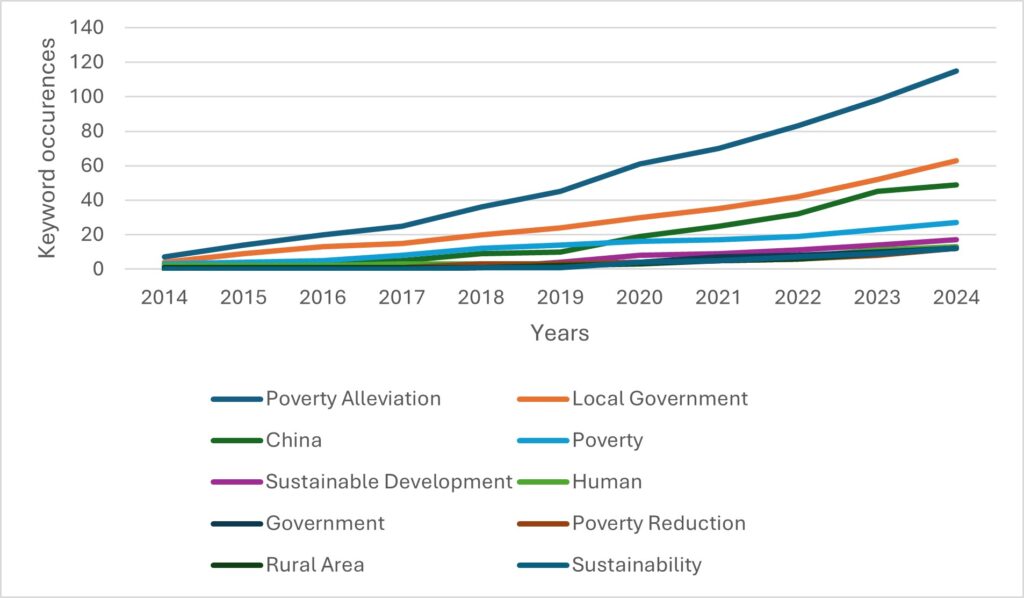
The findings reveal a clear trend: poverty is no longer seen simply as a lack of income. Instead, it is increasingly understood as a complex governance challenge involving institutions, communities, technology, and environmental factors. In other words, reducing poverty depends on how well local systems function—not just how much money is available.
This insight strongly connects to SDG 1: No Poverty, which calls for ending poverty in all its forms. The study shows that achieving this goal requires more than short-term programs. It demands long-term investments in local capacity—such as improving public services, strengthening community networks, and building institutional resilience.
Interestingly, the research highlights a significant growth in global attention to this issue, with an annual publication increase of nearly 8%. This surge became even more noticeable after 2020, when the COVID-19 pandemic exposed weaknesses in local governance systems. Communities with stronger local capacity were better able to respond to the crisis, while others struggled to adapt.
Another key finding is the shift toward interdisciplinary approaches. Poverty research is no longer limited to economics—it now includes environmental sustainability, energy policy, and social development. For example, renewable energy projects and local entrepreneurship are increasingly seen as tools for poverty reduction, showing how different sectors can work together to create lasting change.
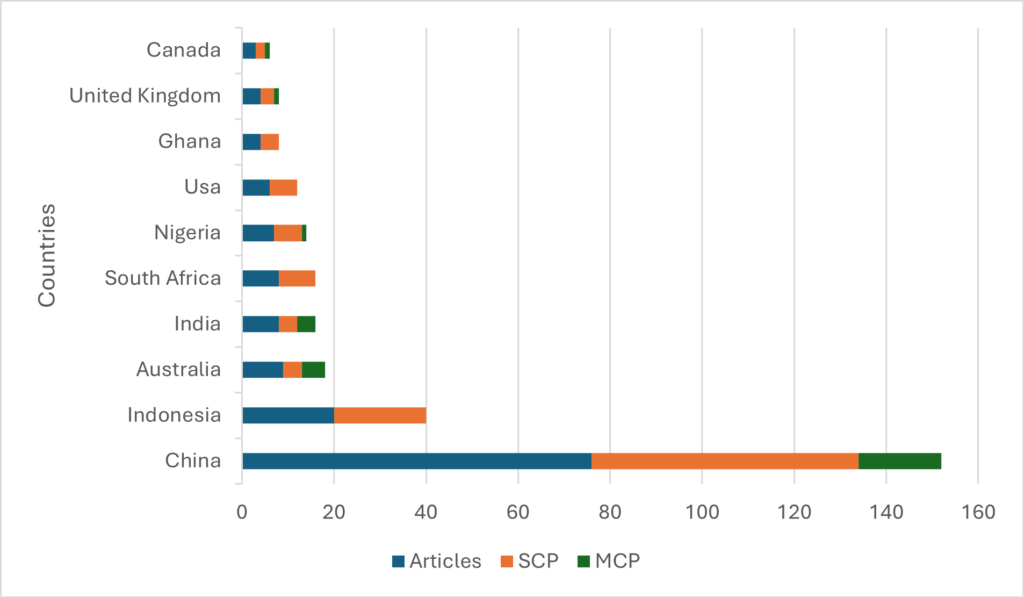
The study also reveals global inequalities in research and practice. Countries like China dominate the field, both in the number of studies and their influence, while other regions—including parts of Africa and Southeast Asia—are less represented. This imbalance raises important questions about whose experiences shape global development policies.
Perhaps the most important takeaway is a new way of thinking about local capacity—not as a single factor, but as a dynamic combination of elements. Effective poverty reduction happens when institutional strength, community participation, financial resources, and technology work together in harmony. When one element is missing, the entire system becomes less effective.
For policymakers, this means moving away from one-size-fits-all solutions. Instead, strategies should be tailored to local conditions, focusing on how different capacities interact in specific contexts. For communities, it highlights the importance of collaboration, participation, and innovation in shaping their own development paths.
In the end, the fight against poverty is not just about delivering aid—it is about building systems that empower people. When local capacity is strong, communities are not just beneficiaries of development; they become drivers of change.
Reference:
DOI: https://doi.org/10.1016/j.wds.2026.100302
Contact:
Prof. Nurlinah
+62 812-4249-867
nurlinah@unhas.ac.id
or
Muhammad Chaeroel Ansar
+62 852-4221-2842
mchaeroel@unhas.ac.id