
In many developing cities, small businesses are more than just economic engines—they are the backbone of community life. In Makassar, Indonesia, micro, small, and medium enterprises (MSMEs) are not only creating jobs but also shaping social relationships, promoting fairness, and strengthening local resilience. But how sustainable are these contributions?
A recent study titled “Social Sustainability of Micro, Small, and Medium Enterprises: The Case of Makassar City, Indonesia”, published in Frontiers in Sustainability by Frontiers Media SA on 6 March 2025, provides important answers. The research examines how MSMEs contribute to social sustainability through three key dimensions: social justice and equity, social capital, and social cohesion.
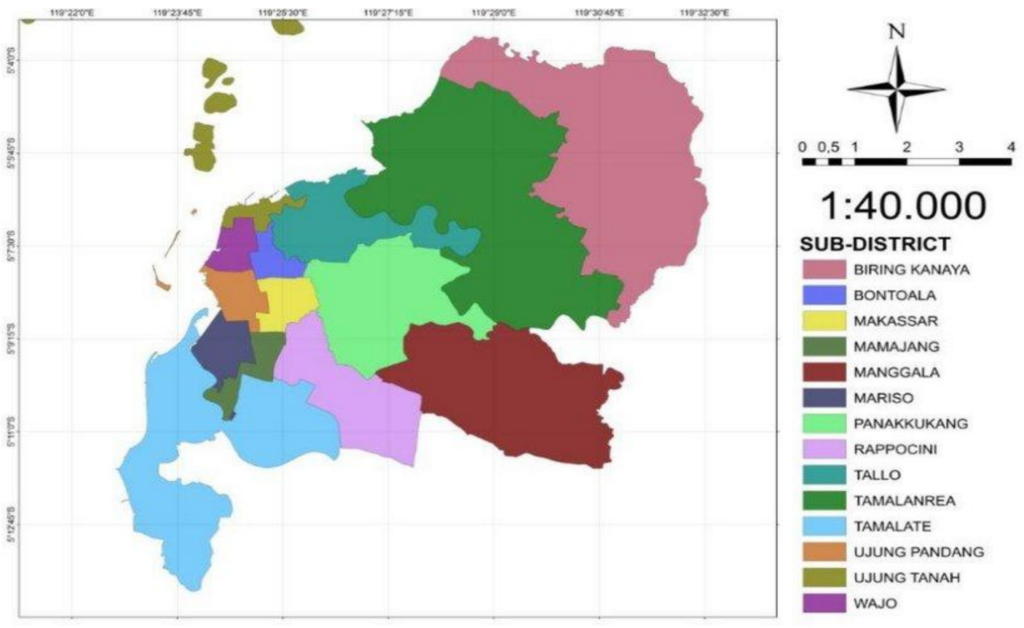
The findings show that MSMEs in Makassar generally demonstrate strong social sustainability performance. More than 80% of business actors expressed positive attitudes toward fairness, inclusion, and community engagement. Many MSMEs provide equal opportunities for workers, support women’s participation in decision-making, and maintain good relationships with customers and neighbors.
This aligns closely with SDG 8: Decent Work and Economic Growth, which emphasizes inclusive and sustainable economic development. Although MSMEs are often small in scale, their collective impact is significant. They create employment, foster local entrepreneurship, and build social networks that help communities thrive.
Another important aspect highlighted in the study is social capital—the relationships and trust built between businesses, customers, and government institutions. MSMEs in Makassar tend to interact frequently with stakeholders, which helps improve skills, expand opportunities, and strengthen cooperation. These networks are essential for business growth and resilience, especially during economic uncertainty.
However, the study also reveals several challenges. Not all MSMEs actively participate in collective activities such as regular meetings or providing input to government policies. In fact, nearly 30% of respondents reported low engagement in these areas. This suggests that while businesses are socially connected, their involvement in broader decision-making processes remains limited.
Environmental sustainability also presents a concern. Compared to social indicators, environmental performance received lower scores, indicating that many MSMEs still lack awareness, resources, or incentives to adopt eco-friendly practices. This highlights the need for better training, policy support, and financial assistance to encourage sustainable business operations.
The study emphasizes that social sustainability is not separate from economic success—it is a foundation for it. Businesses that prioritize fairness, trust, and community engagement are more likely to grow and adapt in changing environments. At the same time, policymakers must create supportive ecosystems that enable MSMEs to thrive sustainably.
In the end, MSMEs in Makassar show that small businesses can make a big difference. By strengthening social values alongside economic goals, they contribute not only to local development but also to a more inclusive and sustainable future.
Reference:
DOI: https://doi.org/10.3389/frsus.2025.1545072
Contact:
Prof. Nurlinah
+62 812-4249-867
nurlinah@unhas.ac.id
or
Muhammad Chaeroel Ansar
+62 852-4221-2842
mchaeroel@unhas.ac.id