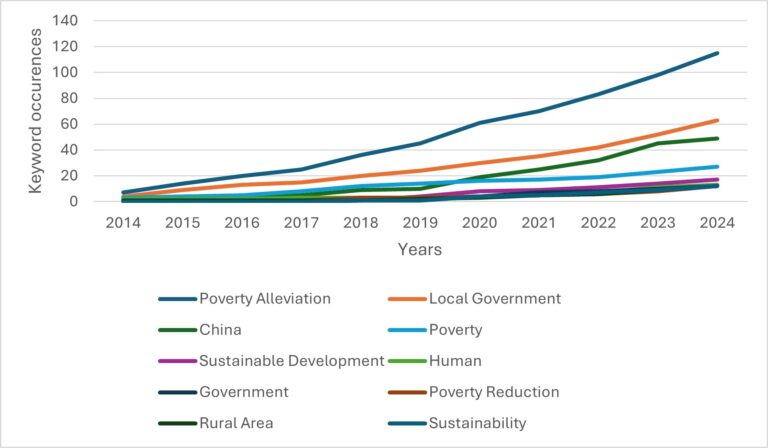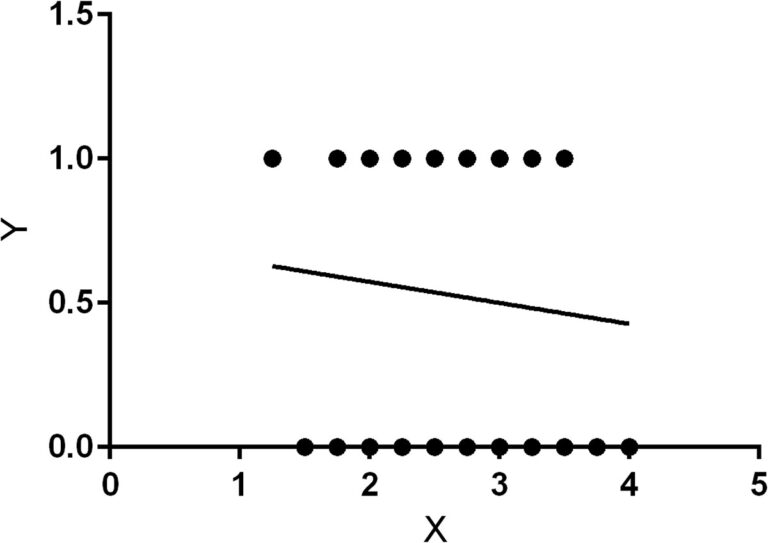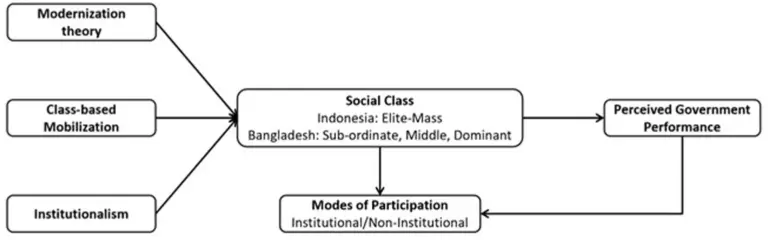

In today’s digital age, governments are no longer just offices—they are becoming platforms. But does moving services online actually make citizens trust their government more? And more importantly, does it encourage them to participate?
A recent study titled “Impact of Government Digital Transformation on Citizen Trust and Participation: Evidence from Gowa Regency, Indonesia”, published in the Frontiers in Human Dynamics journal by Frontiers Media SA on 17 December 2025, explores this question in depth. The research focuses on how digital public services influence the relationship between citizens and the state in one of Indonesia’s rapidly developing regions.
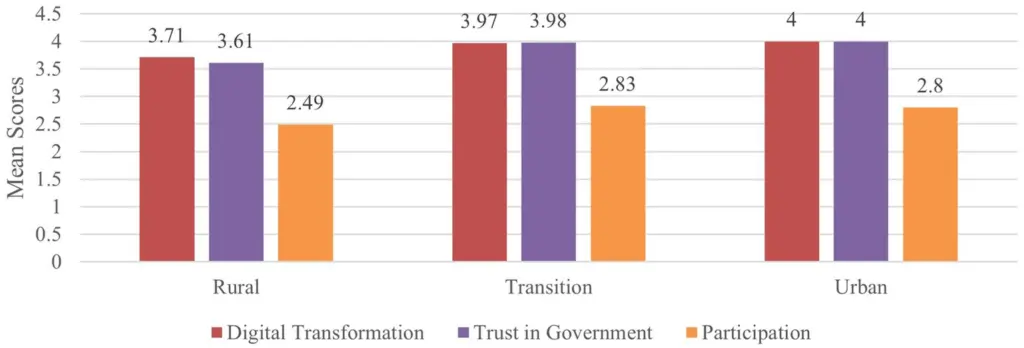
The findings are both promising and revealing. Citizens generally view digital government services—such as online licensing, complaint platforms, and administrative applications—as accessible, efficient, and user-friendly. Many respondents reported that these platforms save time, reduce bureaucracy, and improve transparency. As a result, trust in government tends to increase when digital services work well.
This directly connects to SDG 16: Peace, Justice, and Strong Institutions, which emphasizes the importance of transparent, accountable, and inclusive governance. Digital transformation, when implemented effectively, can strengthen institutions by making them more open and responsive to citizens’ needs.
However, the study also highlights a surprising gap. While trust in government is relatively high, actual citizen participation remains low. Many people use digital services for transactions—such as paying fees or accessing documents—but far fewer engage in deeper forms of participation like providing feedback, joining online consultations, or contributing to policy discussions.
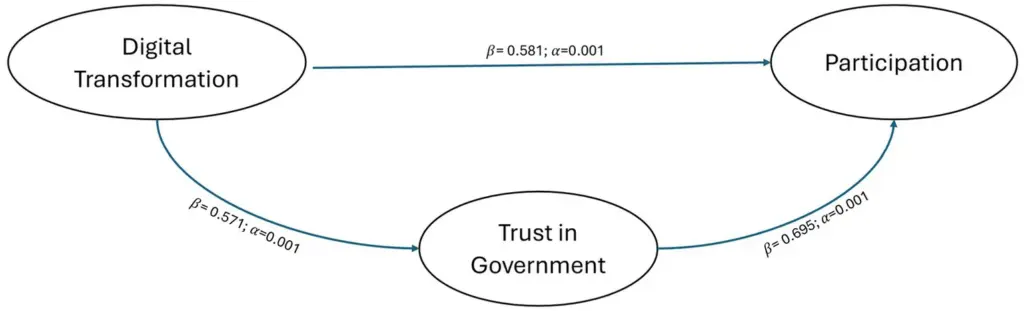

This phenomenon is often called the “participation paradox.” Even when people trust the system, they may not feel motivated or empowered to take part in governance. The research shows that trust alone is not enough—citizens must also believe that their voices matter and that their input will lead to real change.
Another important finding is the role of geography. Urban areas in Gowa tend to have better access to digital services and higher levels of trust, while rural areas face more challenges due to limited infrastructure and digital literacy. Interestingly, participation is highest in transitional or peri-urban areas, where communities combine strong social networks with improving digital access.
The study suggests that digital transformation is not just about technology—it is about people. Governments must go beyond building platforms and focus on creating inclusive systems that encourage meaningful engagement. This includes improving digital literacy, ensuring equal access, and designing platforms that genuinely respond to citizen input.
In the end, digital government has the potential to reshape democracy. But technology alone cannot guarantee participation. Trust must be matched with opportunity, inclusion, and responsiveness. Only then can digital transformation truly strengthen the bond between citizens and the state.
Reference:
DOI: https://doi.org/10.3389/fhumd.2025.1700582
Contact:
Prof. Nurlinah
+62 812-4249-867
nurlinah@unhas.ac.id
or
Muhammad Chaeroel Ansar
+62 852-4221-2842
mchaeroel@unhas.ac.id