MAKASSAR, Indonesia September 9 2026/FSRG/ – Imagine a drop of rain falling into the mist-shrouded canopy of a mountain forest in Indonesia.
At this high elevation, the droplet belongs to the trees. It seeps into thick, mossy soil guarded by the Ministry of Environment and Forestry (MEFor). To the foresters in green uniforms, this water is an upstream treasure. They govern it under the broad idea of the “watershed,” looking out across misty ridgelines that make up more than 60 percent of the nation’s total land area. In their eyes, protecting this water means guarding the earth itself: planting saplings, halting illegal loggers, and keeping the mountains intact. According our published paper titled Navigating the Hidden Politics of Water Resource Bureaucracies in Indonesia: Mapping Issue-Elements and Alliances that was published on Journal Hasanuddin Law Review by Faculty of Law, Universitas Hasanuddin on 25 December 2025, for years, MEFor has even cast its gaze down into the lowlands, arguing that since water begins in their forests, their authority ought to follow the flow down into private farmlands and community valleys.
Eventually, gravity does its work. The droplet trickles through the undergrowth, joins a bubbling creek, and emerges from the edge of the state forest boundary.
Suddenly, the droplet enters an entirely different world.
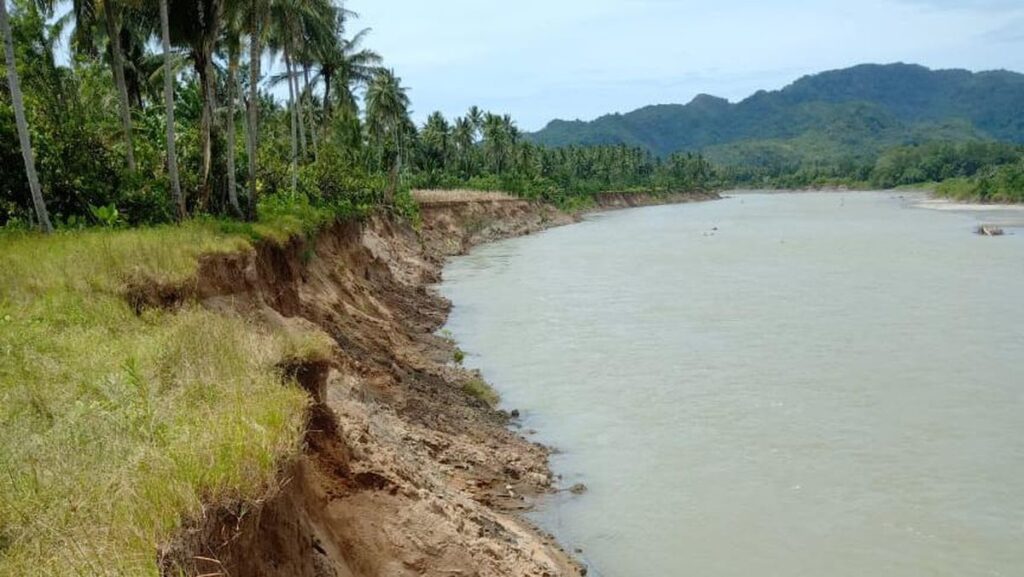
As the stream widens into a brown, rushing river, it passes into the domain of the Ministry of Public Works and Housing (MPWH). Here, the foresters have no say. The river now belongs to the engineers. Where the forestry ministry holds power through vast tracts of land, public works commands power through staggering wealth. Equipped with the largest budget in the country’s water sector, this agency sees water not as an ecological sponge of soil and roots, but as a force to be tamed, measured, and routed. They govern “river basins” with steel rebar, concrete spillways, giant dams, and vast networks of irrigation channels designed to feed millions of city dwellers and rice farmers.
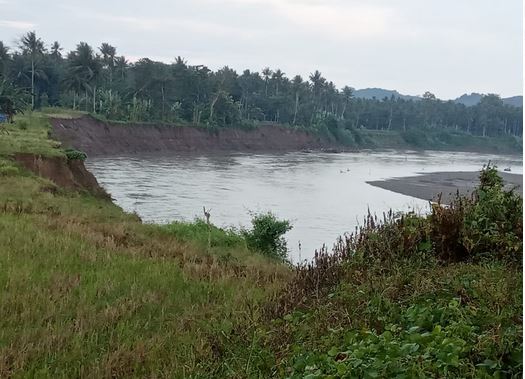
Because the river does not stop at administrative lines, these two worlds inevitably collide.
Down in the provincial offices, local officials find themselves caught between two powerful masters. When the national government launches urgent campaigns to rescue dying rivers, the two ministries often talk past each other. The engineers want to pour concrete and build massive reservoirs, while the foresters insist on tree planting and watershed restoration. They squabble over basic maps, argue over who truly leads the projects, and defend their own budgets while the dry season parches downstream paddies and rainy season flash floods spill into village streets.
A river exists as a single, unbroken journey from the clouds to the ocean. Yet until the institutions along its banks learn to bridge their quiet rivalry, Indonesia’s water remains divided, trapped in a tug-of-war between the trees on the mountain and the concrete in the valley.
This article contributes to the Sustainable Development Goals (SDGs), particularly SDG 13 (Climate Action) and SDG 16 (Peace, Justice and Strong Institutions). By examining institutional conflicts over forests, rivers, and dams, the article highlights the importance of coordinated and inclusive governance in managing natural resources and responding to environmental and climate-related challenges. It also shows how stronger cooperation between institutions and stakeholders is needed to support more sustainable river management and reduce conflicts over shared natural resources.
Reference
DOI: https://doi.org/10.20956/halrev.v9i1.4304
Contact:
Prof. Dr. forest. Muhammad Alif K. Sahide
+62 823-9357-0098
muhammadalif@unhas.ac.id