
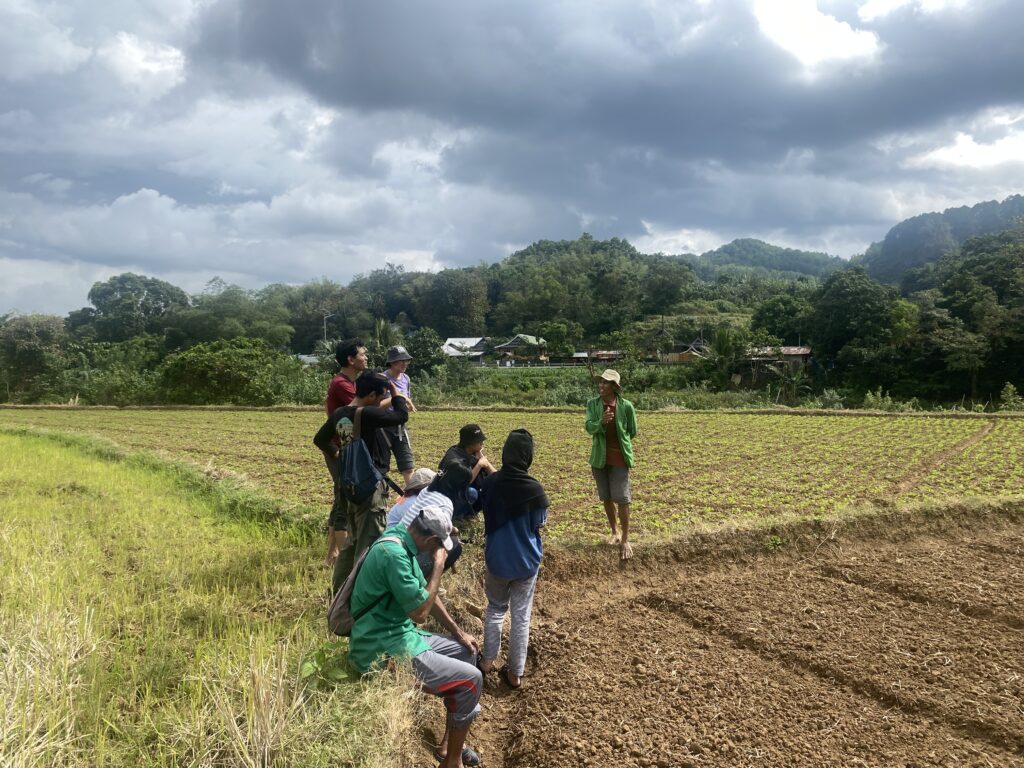
Maros, Indonesia, July 2025 — The 2025 Collaborative Southeast Asia Field School brought together 32 participants from Indonesia and the United States for an immersive field-based learning program exploring the relationships between communities, forests, land, livelihoods, and mobility on 6 – 17 July, 2025 in South Sulawesi.
The program brought together 20 participants from the University of Hawaiʻi at Mānoa, seven from Universitas Hasanuddin (UNHAS), and five from Anthology Manusia collective. The UNHAS team included researcher Abdurrahman Abdullah, master’s students Nur Fadila Sunardi, Alfi Syahriani Hamzah, Yasmita Yaman, Marsleni Caezaria Daben, Djaelani Batara Wali, Reymonset Tonga, and Firstly, as well as lecturer Fatwa Faturrachmat.
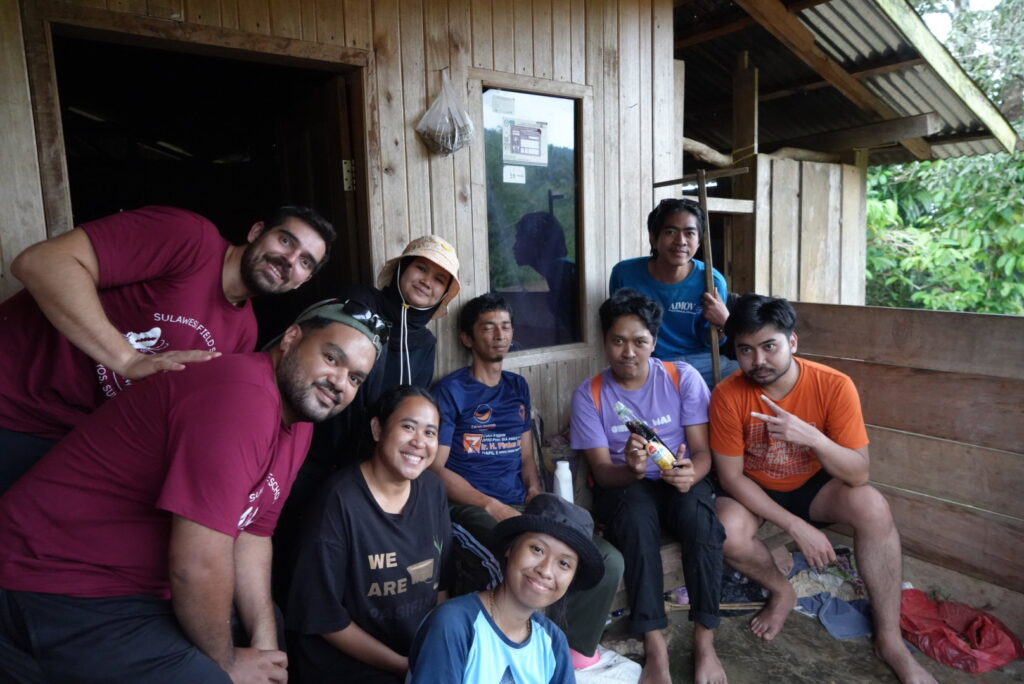
Participants were supported by mentors Prof. Dr. Forest. Muhammad Alif K. Sahide, Dr. Nurhady Sirimorok, and Dr. Micah Fisher, who accompanied the groups throughout the fieldwork and supported discussions connecting field observations with broader questions of environmental governance, livelihoods, and social change.
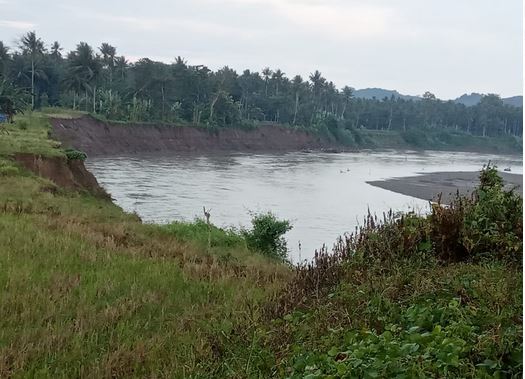
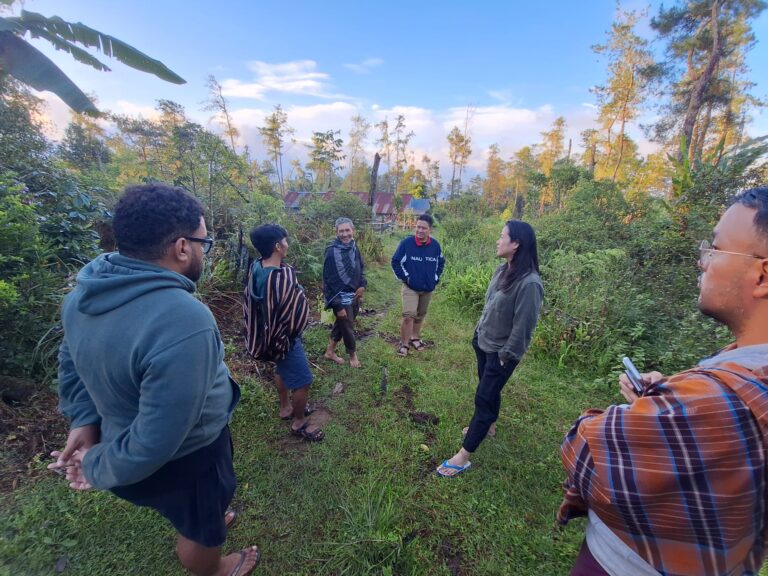
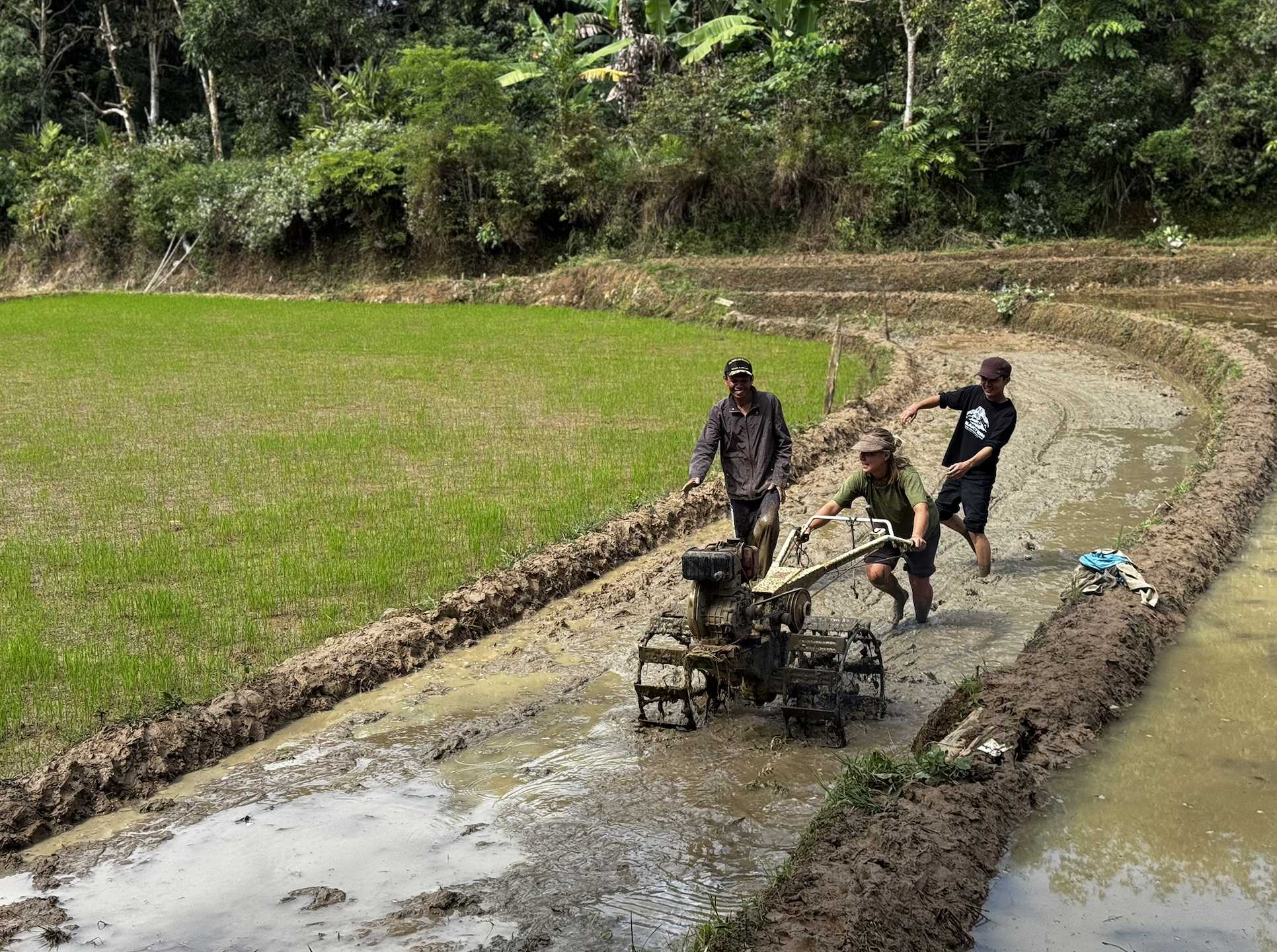
The field school took participants to four hamlets in Maros: Jambua, Cenrana Baru, Moncong Jai, and Galung-galung. Working closely with local communities, participants explored how people navigate changing landscapes, access to land, migration, commodity production, and the boundaries created by conservation and state forest management.
The 2025 program built on the questions explored during the 2023 field school, which examined land-use change from forest to shallot cultivation in Batu Noni Village, Enrekang, and the pressures on community land associated with national park development in Rompegading Village, Maros. Building on these earlier experiences, the 2025 field school broadened its focus to examine how communities respond to and shape changing forest landscapes through livelihood strategies, migration, land access, and collective action.

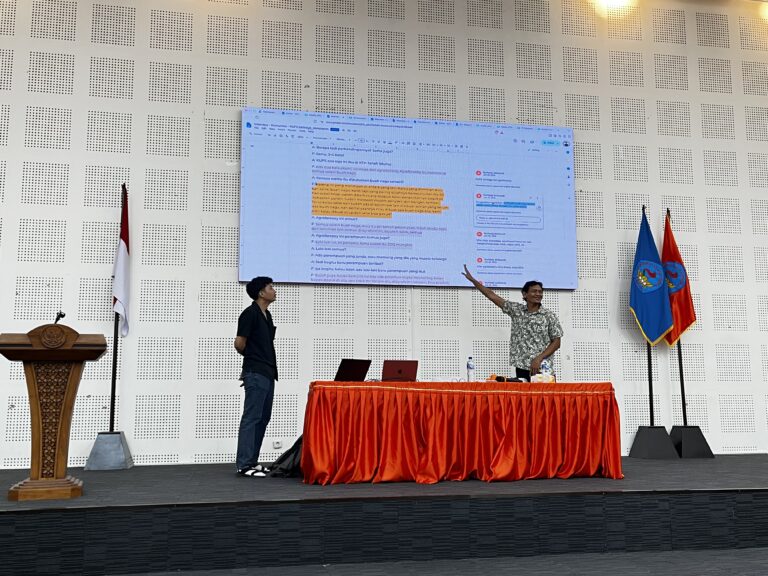
The fieldwork resulted in four collaborative research posters, capturing different dimensions of the experiences and questions that emerged from the four field locations. The posters were titled “In the Shadow of the National Park: Creating Community Despite Boundaries,” “Pining for Opportunity: Land, Migration, and Commodities at the Forest Margin,” “Caring for Land and Livelihoods at the Edges of State Forests: Women and Land Access in South Sulawesi, Indonesia,” and “We Want Our Land Back: Resistance, Remittance, Return.”
Together, the posters highlight how environmental change is experienced and negotiated at the community level. They explore conservation boundaries, land access, women’s roles in sustaining livelihoods, commodity economies, migration, remittances, and different forms of community response and resistance.
Through field visits, conversations, and collaborative research, participants learned directly from local communities while exchanging perspectives across academic and cultural backgrounds. The field school emphasized that understanding forest landscapes requires attention not only to environmental change and policy, but also to the people who live, work, move, and organize within these landscapes.
The 2025 field school marked another step in the collaboration established in 2023, strengthening connections between UNHAS and the University of Hawaiʻi at Mānoa while continuing to create opportunities for students, researchers, and academics to learn from communities and from one another across Southeast Asia.