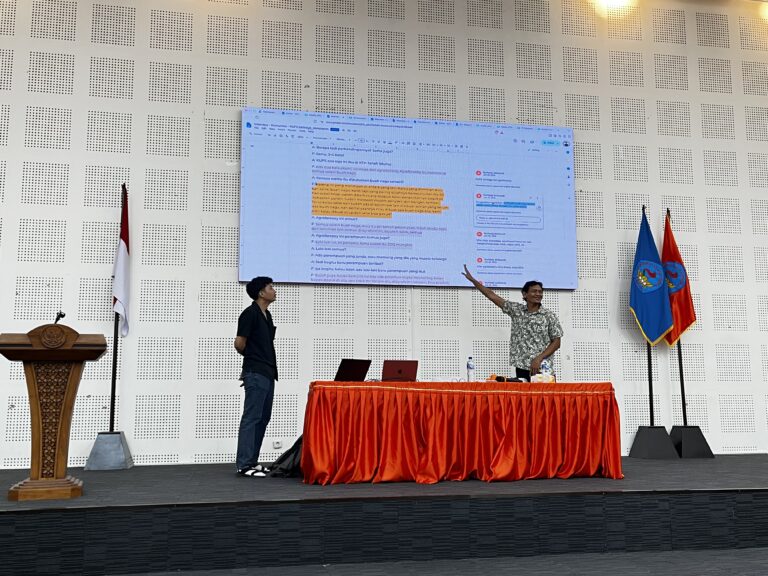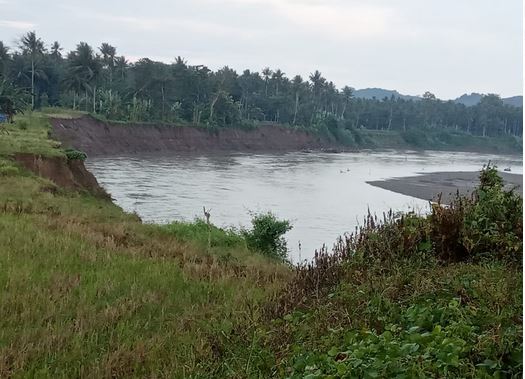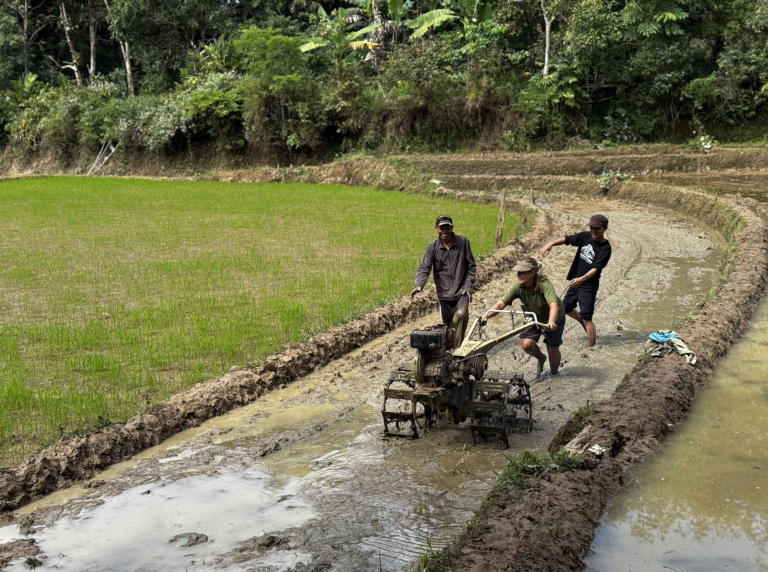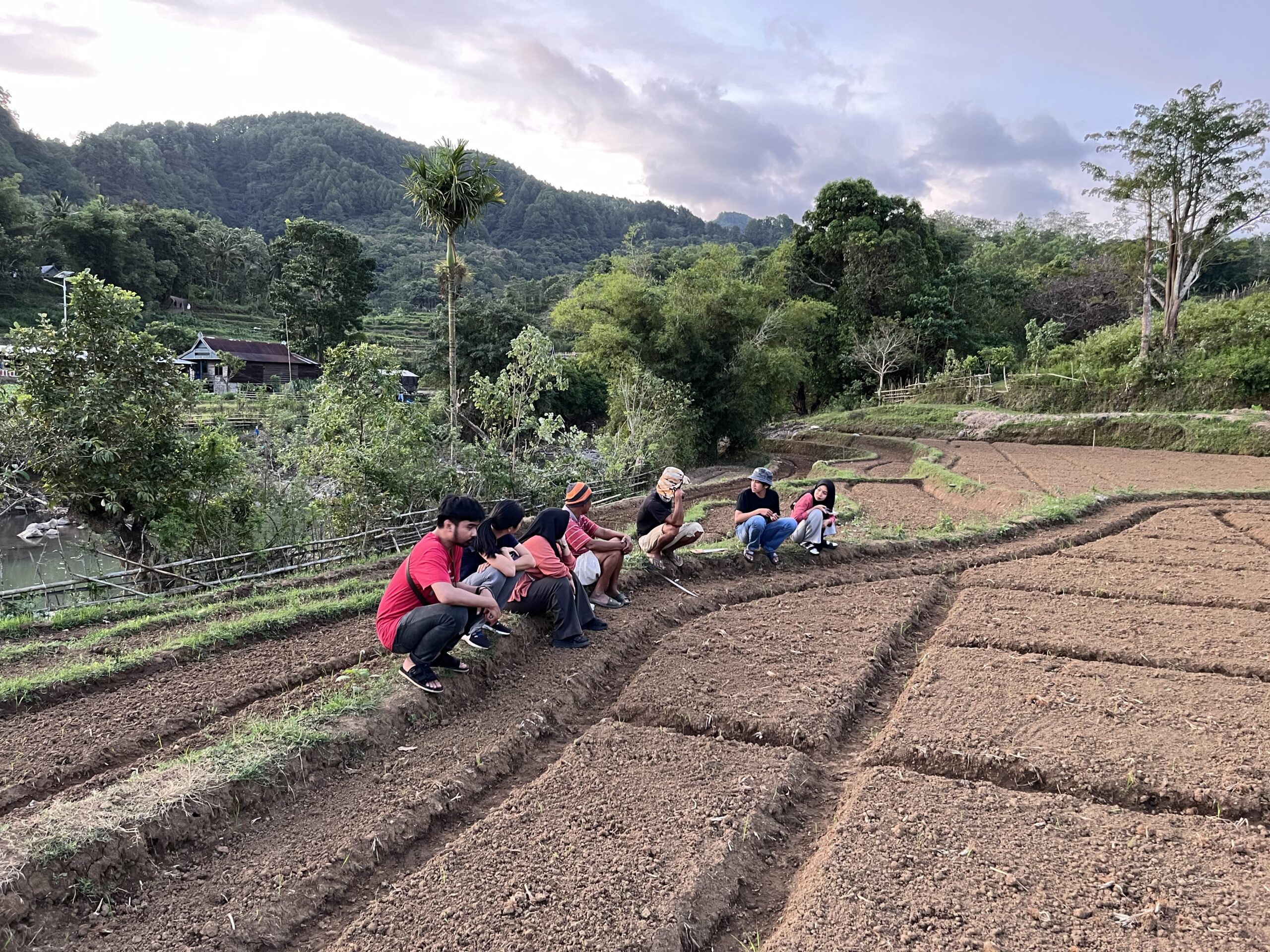

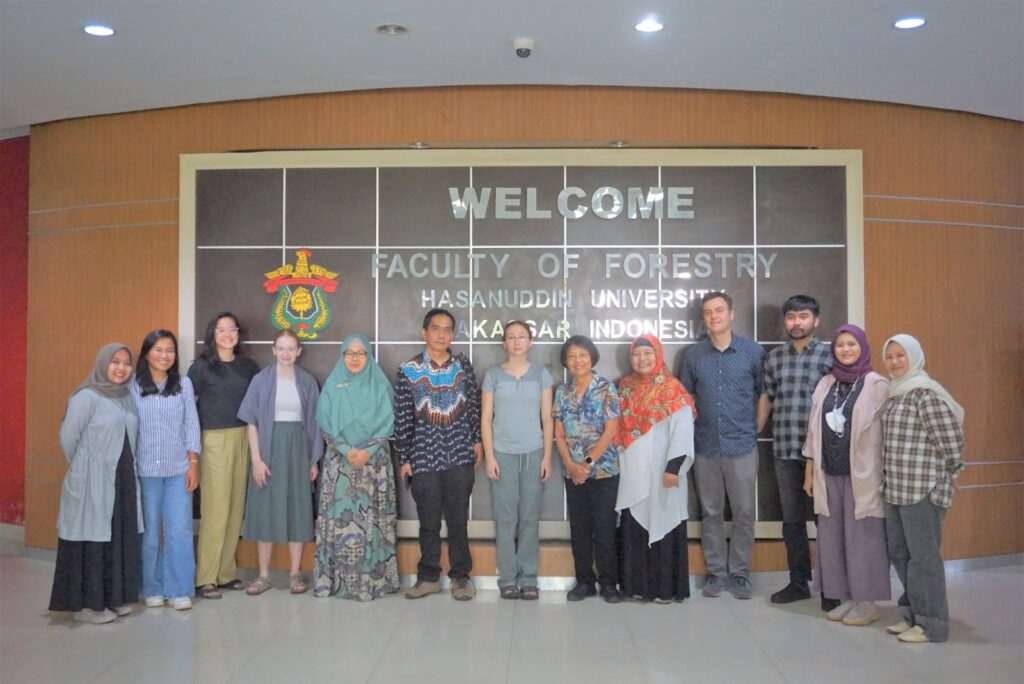
South Sulawesi, Indonesia, 13 July 2023 — The 2023 Collaborative Southeast Asia Field School brought together postgraduate students, researchers, and young academics from the University of Hawaiʻi at Mānoa and Universitas Hasanuddin (UNHAS) for an intensive field-based learning program in South Sulawesi. Held from 3 to 13 July 2023, the field school took participants to two rural communities in Enrekang and Maros Regencies, where they explored how environmental change, land use, and conservation policies shape the lives and livelihoods of local communities.
The program involved four postgraduate students from the University of Hawaiʻi at Mānoa alongside three postgraduate students from UNHAS: Alfi Syahriani Hamzah, Nur Fadila Sunardi, and Irfan Saputra. They were joined by researchers Pamula Mita Andary and Fatwa Faturrachmat, as well as young lecturer Andi Vika Faradiba. The diverse composition of the group created opportunities for participants to exchange perspectives across academic backgrounds and generations while learning directly from communities.
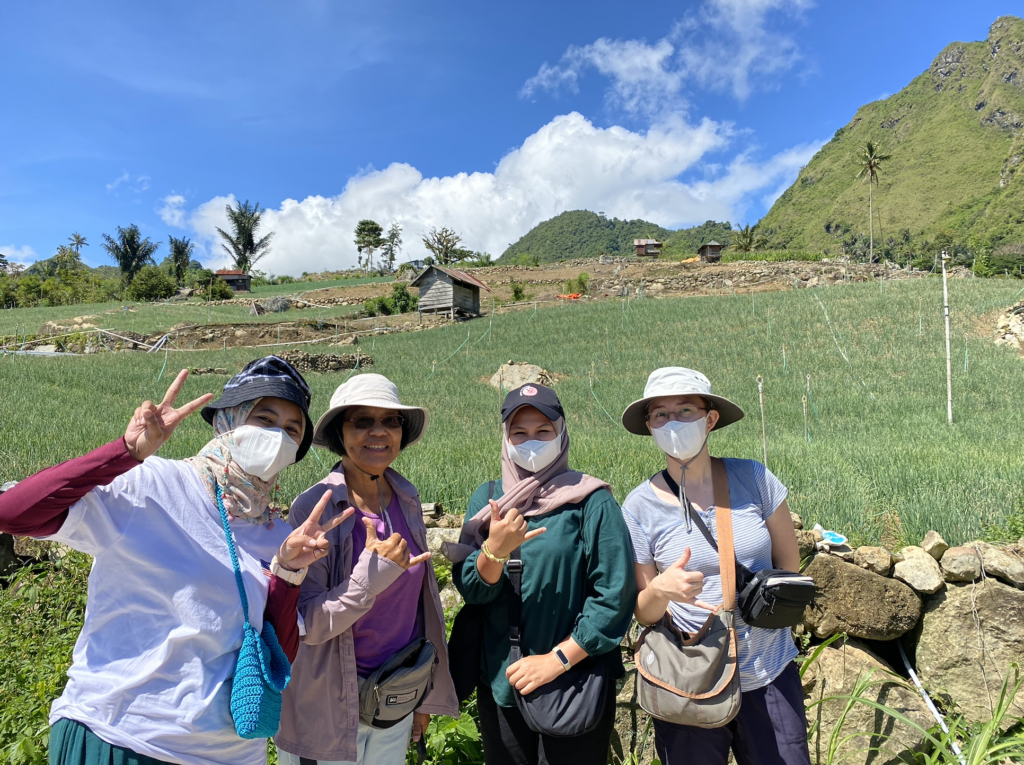
The first field location was Batu Noni Village in Enrekang Regency, where participants examined changes in land use, particularly the conversion of forest areas into shallot cultivation. Shallots are an important agricultural commodity in the region, and their cultivation has contributed to significant changes in the landscape. Through field visits and conversations with local communities, participants explored the social, economic, and ecological dimensions of this transformation and considered how agricultural development intersects with forest landscapes and rural livelihoods.
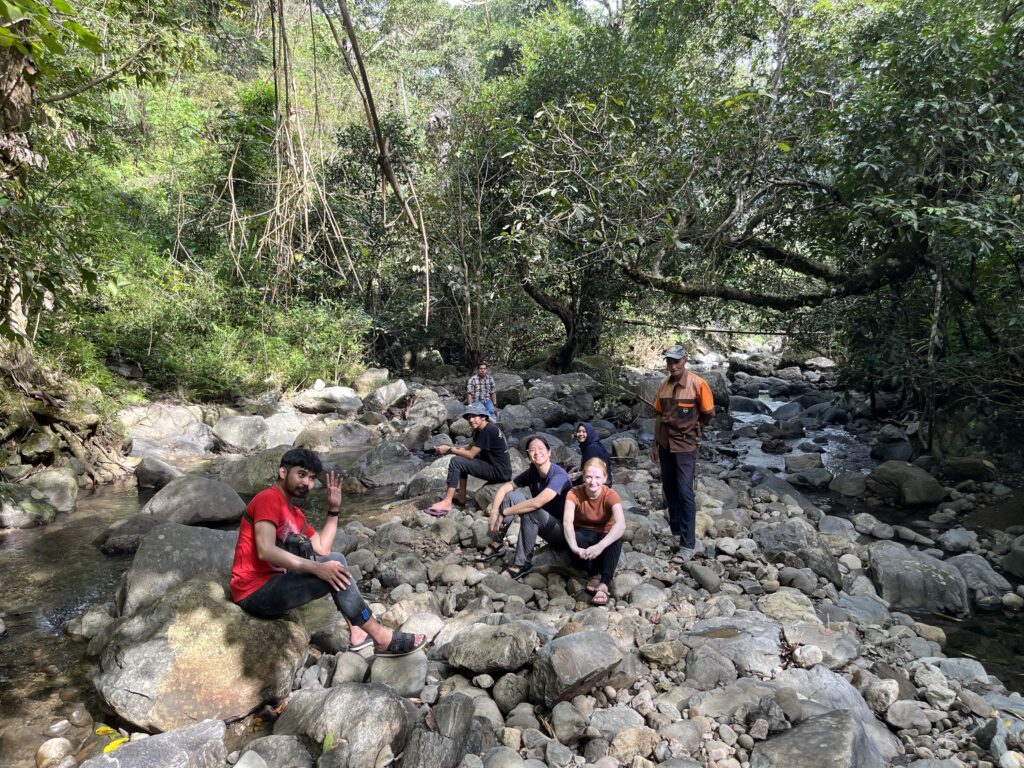
The second field location was Rompegading Village in Maros Regency, where participants examined the pressures communities face as land becomes increasingly constrained by the development and expansion of the national park. The fieldwork focused on the relationship between conservation, land access, and local livelihoods, providing participants with an opportunity to understand how conservation policies can reshape the spaces available to communities and influence their everyday lives.
Throughout the field school, participants were supported by mentors Prof. Dr. forest. Muhammad Alif K. Sahide, Dr. Micah Fisher, Dr. Nurhady Sirimorok, and Prof. Krisna Suryanata. The mentors guided discussions and field-based activities, encouraging participants to connect observations from the villages with broader questions about environmental governance, political ecology, land use, and rural development in Southeast Asia.
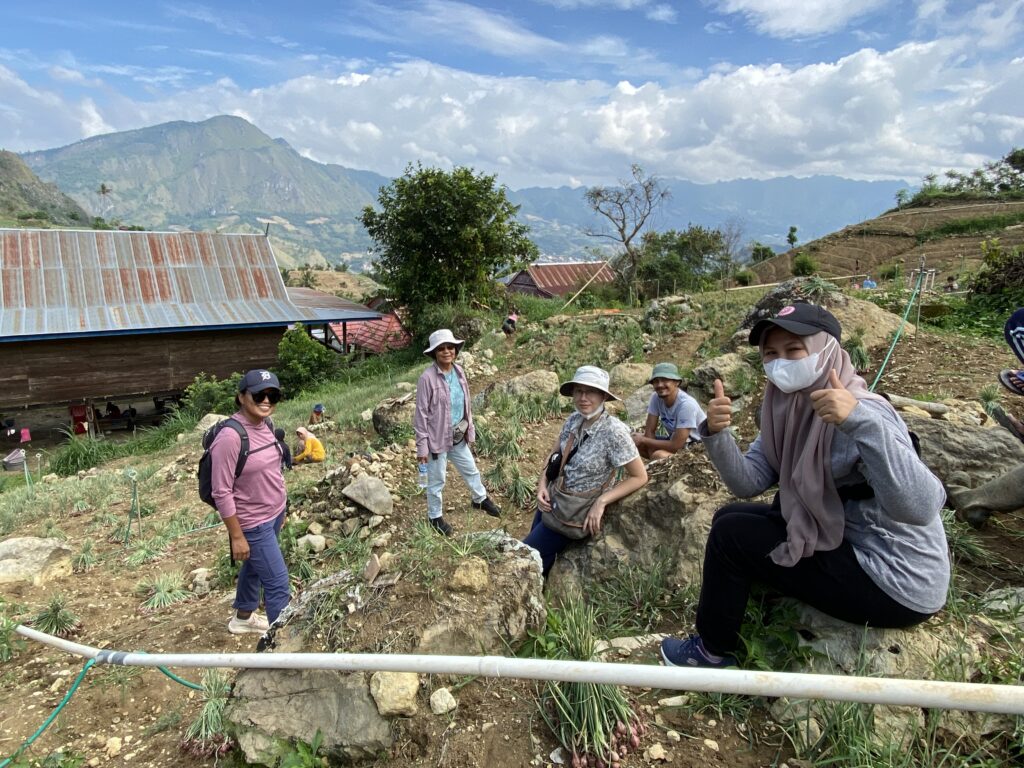
Rather than treating communities simply as research sites, the field school emphasized learning through direct engagement with local people and landscapes. Participants were encouraged to listen to different perspectives, reflect on their own assumptions, and understand environmental change through the experiences of those living with its consequences.
The 2023 field school marked the first edition of the Collaborative Southeast Asia Field School, laying the foundation for continued collaboration between the University of Hawaiʻi at Mānoa and Universitas Hasanuddin. Building on this inaugural program, the field school continued in the following years, strengthening cross-cultural learning and collaboration across Southeast Asia.
Read more the related articles
- Sharing Field School Experiences 2023 in Cambodia
- Field School 2023 Participants Published Field Work Methodology Papers