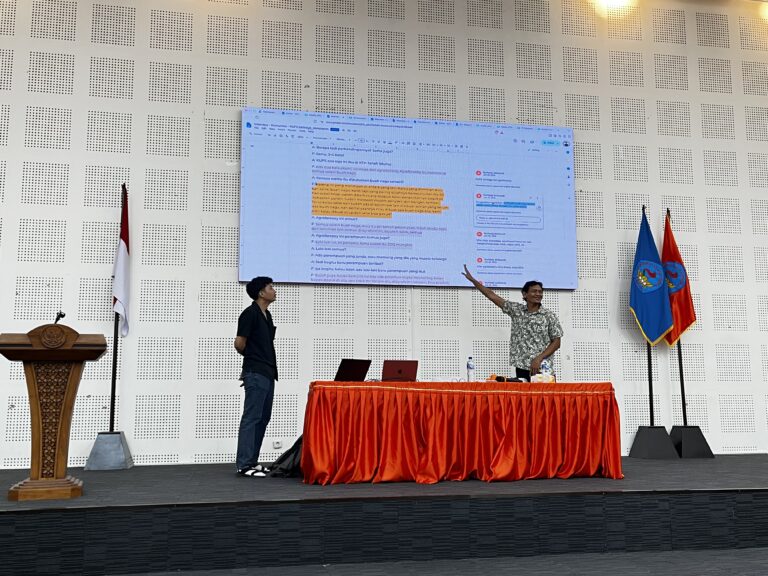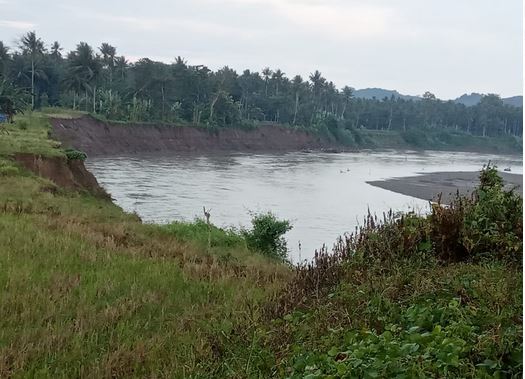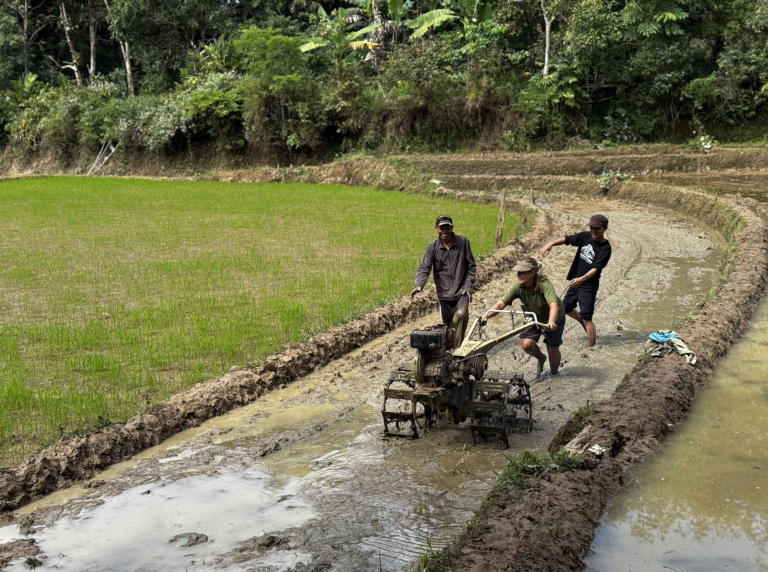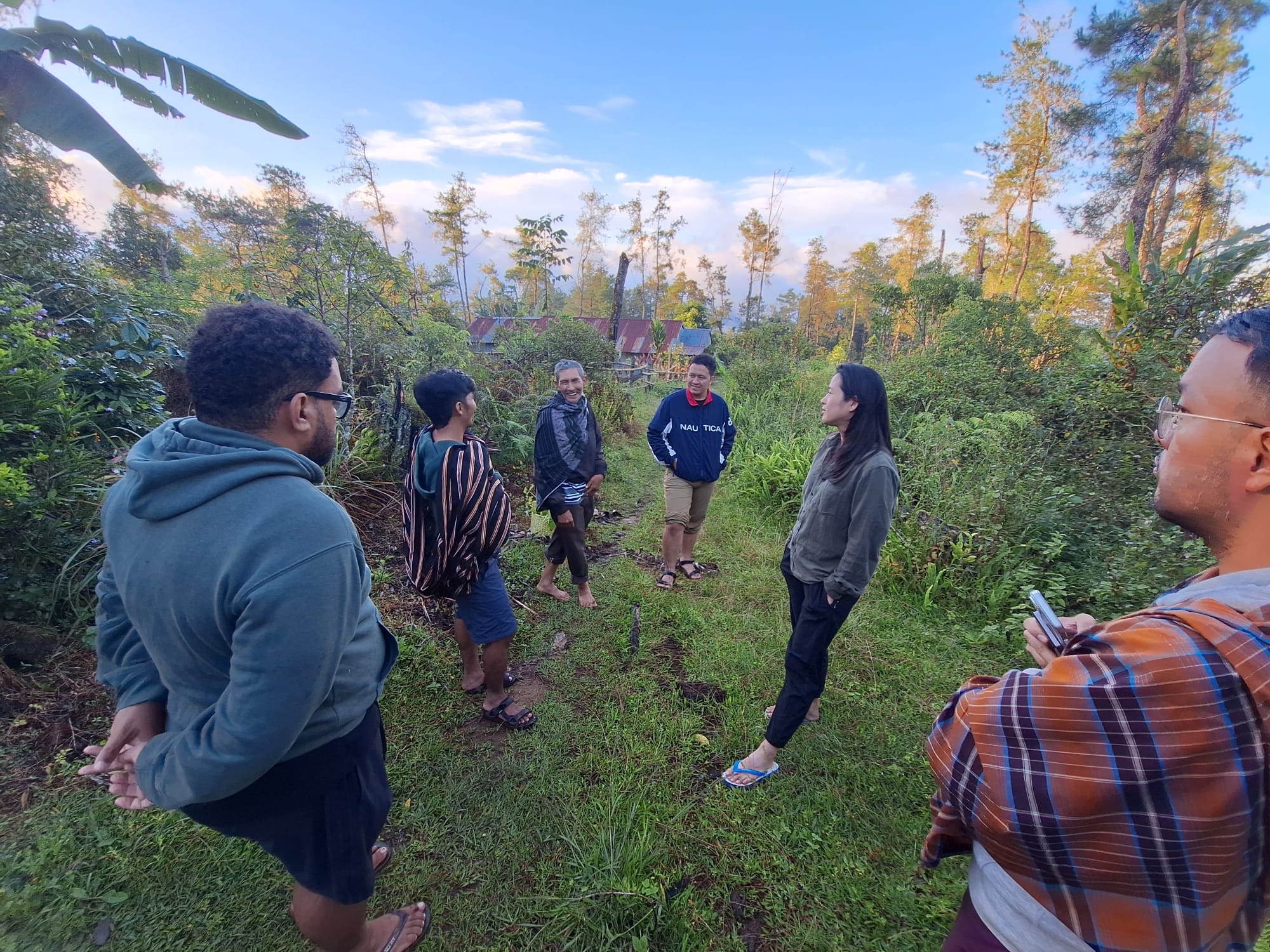

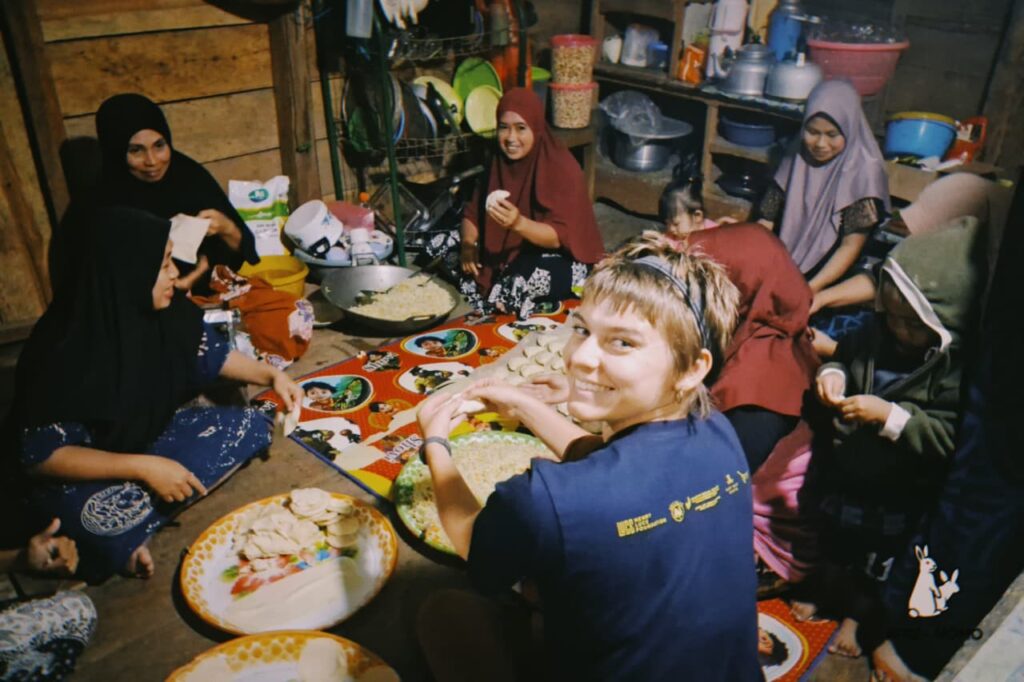
Malino, Gowa, Indonesia, 29 June 2026 — The 2026 Collaborative Southeast Asia Field School brought together nearly 30 students, researchers, and young academics from Indonesia and the United States for a month-long program of cross-cultural and experiential learning in Malino, Gowa Regency, South Sulawesi. Held from 2 to 29 June 2026, the field school provided participants with an opportunity to learn directly from communities while exploring social, political, ecological, and environmental issues shaping rural Southeast Asia.
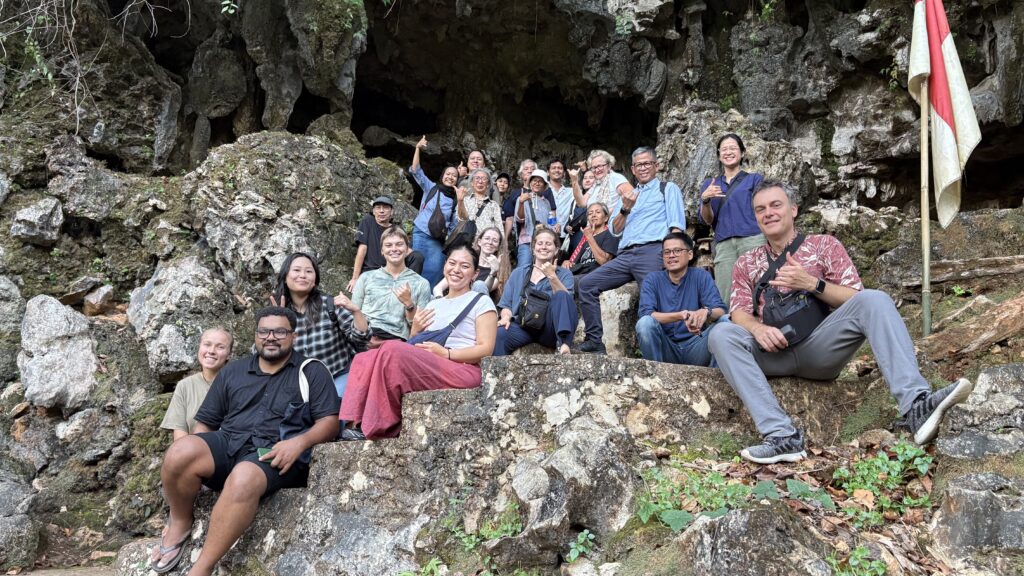
The program brought together nearly 20 international students from the University of Hawaiʻi at Mānoa, alongside students from several Indonesian universities. Participants included two students from Universitas Gadjah Mada, one from Universitas Andalas, and seven from Universitas Hasanuddin (UNHAS). The UNHAS cohort included a combination of researchers, master’s students, and young lecturers, creating an intergenerational learning environment throughout the program.
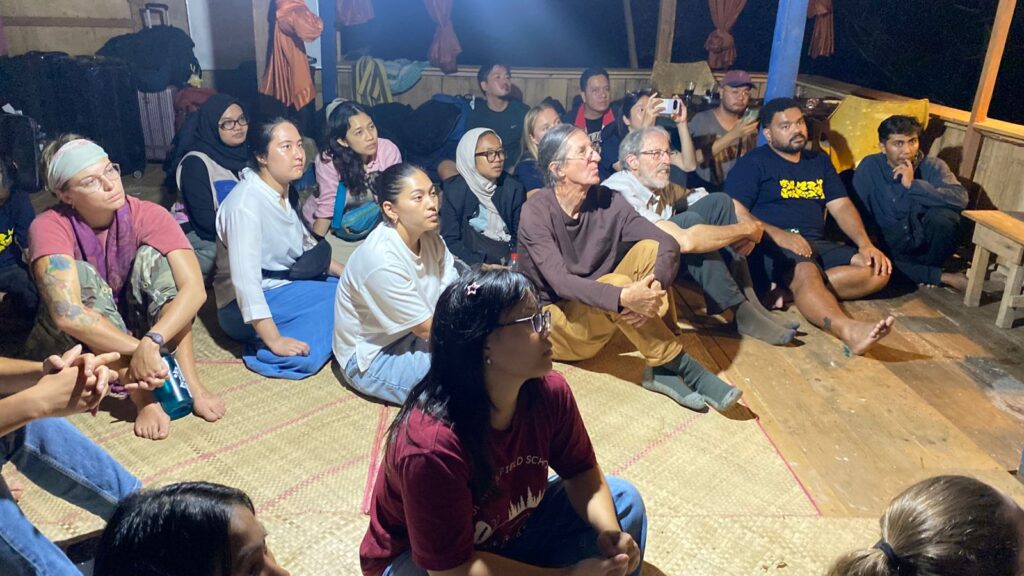
Our researchers Abdurrahman Abdullah, Alfi Syahriani Hamzah, and Akhmad Ahsan Haris together with master’s students Marsleni Caezaria Daben, Nur Fadila Sunardi, and Yasmita Yaman, represented UNHAS in the field school. Young lecturer Fatwa Faturrachmat also joined the program, contributing to the exchange of perspectives between students and academics.
During their stay in the villages, participants were guided by mentors including Prof. Dr. Forest. Muhammad Alif K. Sahide, Dr. Micah Fisher, and Dr. Nurhady Sirimorok. Rather than learning only through classroom discussions, participants worked closely with communities and explored local experiences, histories, and challenges through field-based research and engagement.
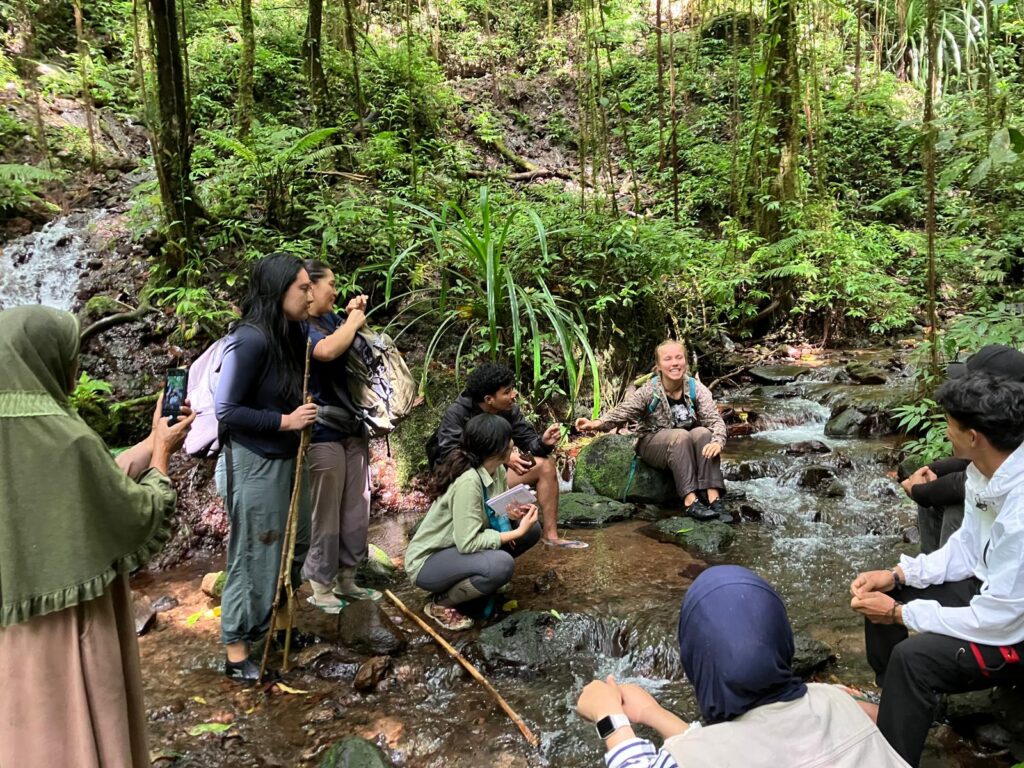
Participants were divided into four interdisciplinary groups, each focusing on a different theme. Group 1 explored Tanah Gilirang and questions surrounding land tenure and access to land. Group 2 examined diversification and migration, looking at how households and communities respond to changing economic and social conditions. Group 3 focused on the relationships between politics, ecology, and the state, examining how governance and environmental change intersect in rural landscapes. Group 4 explored indigeneity, decentralization, resistance, and water, bringing attention to questions of identity, governance, resource access, and community responses to changing conditions.
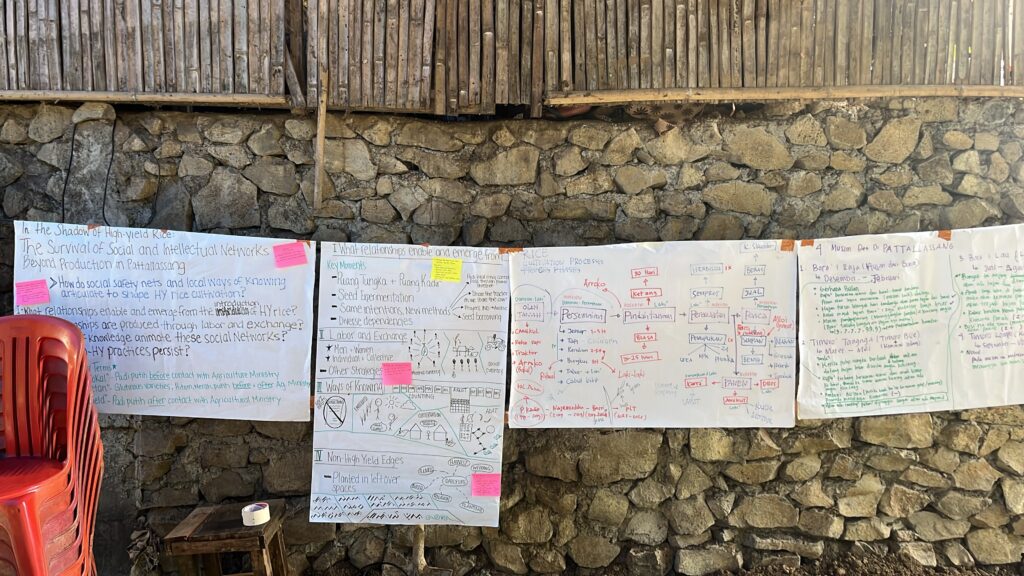
Across the four weeks, the field school encouraged participants to approach these issues from multiple perspectives and to learn from one another as well as from the communities they worked with. The combination of international and Indonesian participants also created space for different academic traditions, research experiences, and ways of understanding Southeast Asian societies to meet in the field.
The 2026 program marks the third consecutive year of the Collaborative Southeast Asia Field School. Supported by a five-year grant from the Henry Luce Foundation, the field school continues to build connections among students, researchers, and partner institutions while nurturing a new generation of scholars engaged with Southeast Asia.