


Social Forestry has become one of the Indonesian government’s key agendas for promoting more inclusive, equitable, and sustainable forest governance. The Social Forestry Initiative (SFI) carries a dual mandate: improving community well-being while supporting environmental sustainability. However, implementation on the ground has produced varied outcomes across regions, shaped by differences in socio-political conditions, institutional capacity, ecological characteristics, and relationships between state and non-state actors.
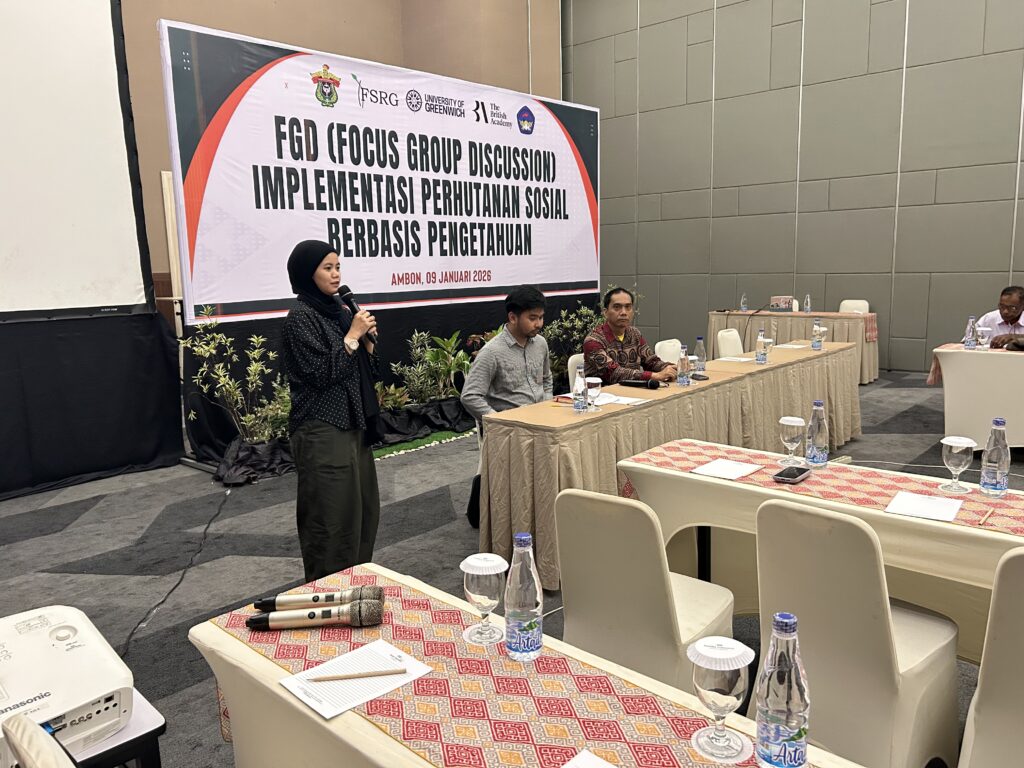
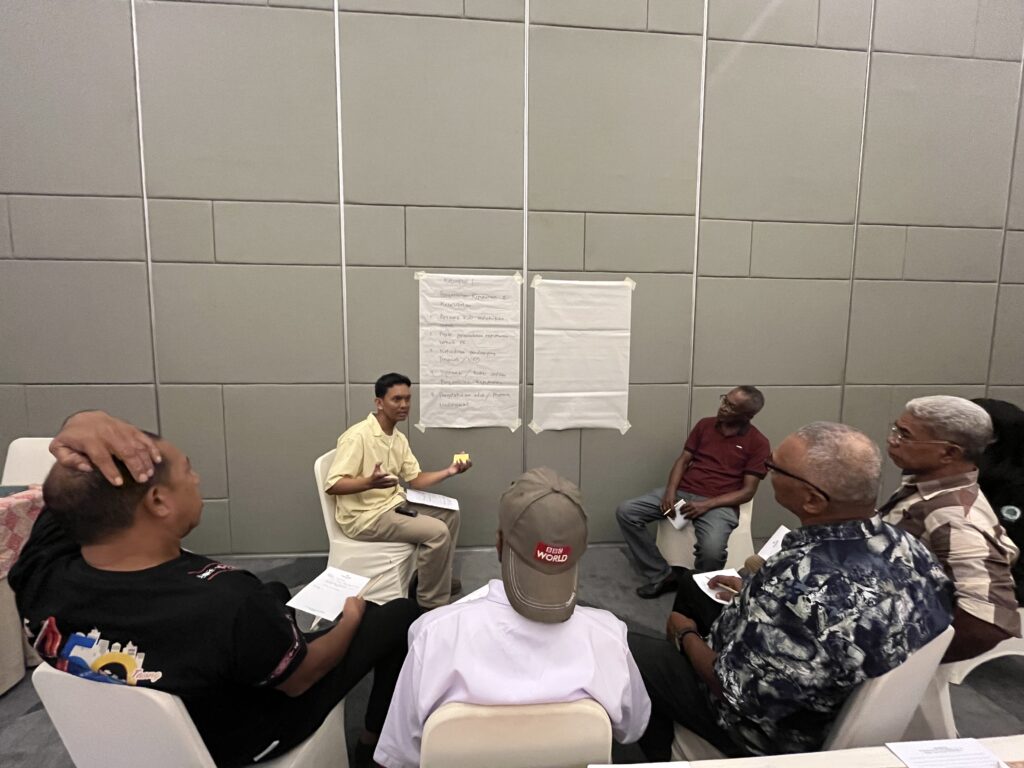
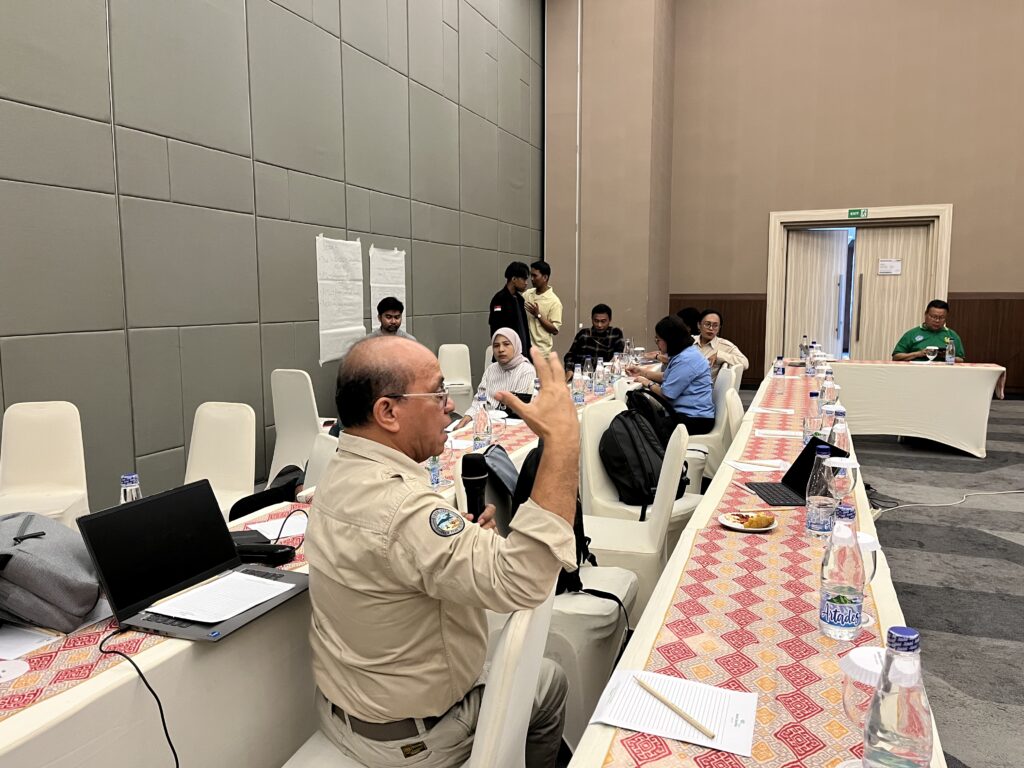
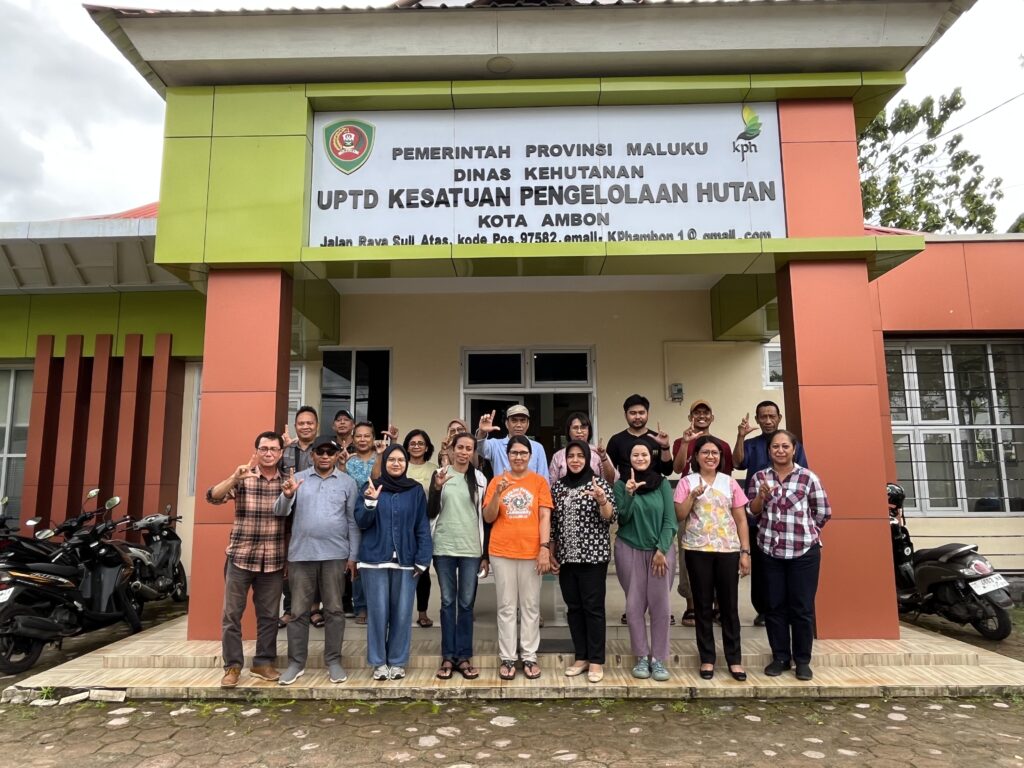
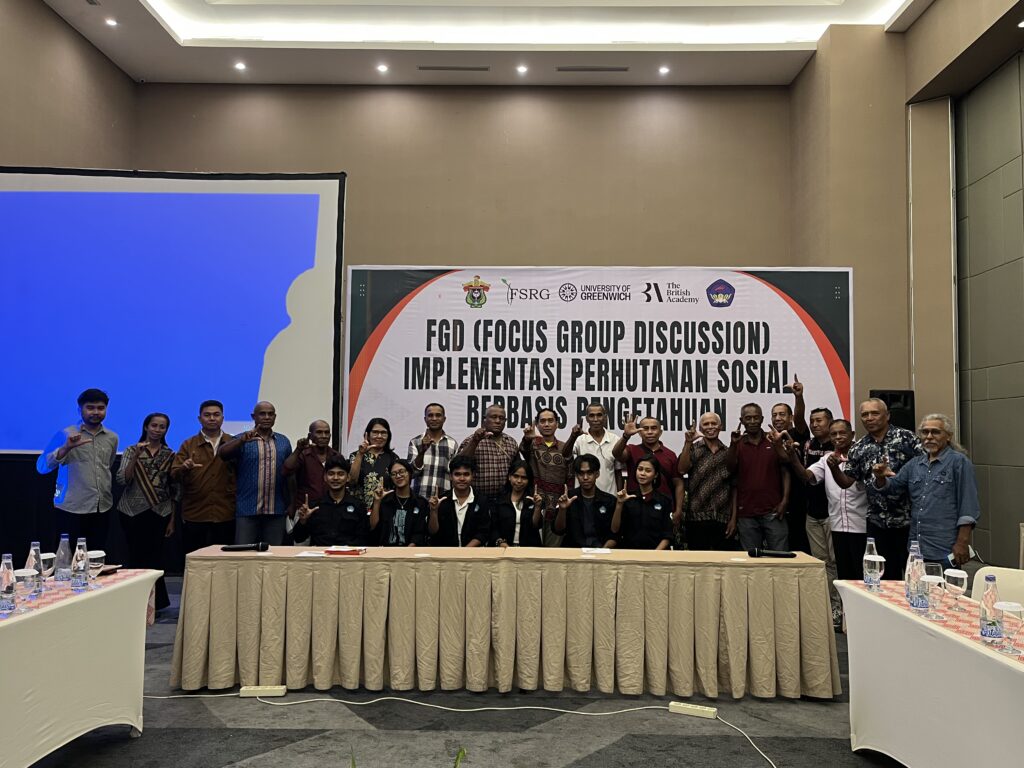
This research examines how evidence-based informed policymaking operates in Social Forestry implementation, focusing on how evidence is produced and defined, how it informs decision-making, how conflict is addressed, and how relationships among policymakers, intermediary organisations, and communities shape policy implementation. Field research was conducted in Maluku and Kalimantan, with activities in Maluku undertaken in collaboration with the Forestry Study Programme, Faculty of Agriculture, Universitas Pattimura, from 4–7 January 2026, and in Kalimantan from 10–17 December 2025. Besides interview, we also conducted Focus Group Discussions (FGD), in Maluku we had two separate FGDs for officials stakeholders and local communities. We invited various institutions that is working closely with the Social Forestry programs, such as Forest Management Unit (KPH), while the afternoon sessions we invited the locals from three villages, Morella, Hutumuri, dan Oma, to see the documentation of the activities, please click here. Meanwhile, in Maluku, besides interview and FGDs, the team managed to attend the officials meeting discussing the future of Social Forestry Programme.

The findings show that evidence production within Social Forestry remains largely top-down and formalistic. Central forestry institutions retain significant authority over what constitutes valid evidence, while local government agencies, Forest Management Units (KPH), NGOs, and academics often function as intermediaries between national policy and communities. Rather than facilitating the recognition of local knowledge, intermediary actors frequently help communities translate their experiences and claims into administrative documents that meet national requirements.
Across the three provinces, the definition of evidence is also narrowed to measurable outputs. Policy success is commonly assessed through indicators such as the number of permits issued, groups established, business units developed, products sold, and market or export performance. Formal rankings such as Blue, Silver, Gold, and Platinum reinforce this performance-based approach. Consequently, forms of evidence related to local knowledge, social relations, livelihood realities, community empowerment, and ecological conditions receive less recognition in policy processes.
These dynamics influence how decisions are made. Community knowledge and customary practices can inform implementation, but their influence is often limited when they conflict with nationally defined regulations or targets. In East Kalimantan, national targets can shape the selection of Social Forestry schemes, favouring options that maximise measurable outputs. In Maluku, communities may receive decisions, maps, or programme interventions without sufficient consideration of local tenure systems and social structures. South Sulawesi presents greater opportunities for negotiation in some locations, particularly where NGOs support communities in navigating different policy options.
Conflict is another important but under-recognised dimension of Social Forestry. Land and tenure conflicts can motivate communities to pursue Social Forestry, yet conflict is rarely integrated into programme design, monitoring, or evaluation. Government responses vary across regions, ranging from avoidance and reactive responses to using Social Forestry as a mechanism for managing existing disputes.
Overall, the research highlights a persistent gap between the transformative ambitions of Social Forestry and its implementation through administrative targets and measurable outputs. While communities hold substantial knowledge about land, livelihoods, ecology, and conflict, this knowledge is often recognised only after being translated into forms that fit state-defined evidence. Strengthening evidence-informed policymaking therefore requires broader recognition of community knowledge, local institutions, social relations, conflict, and livelihood outcomes alongside formal administrative and economic indicators.