

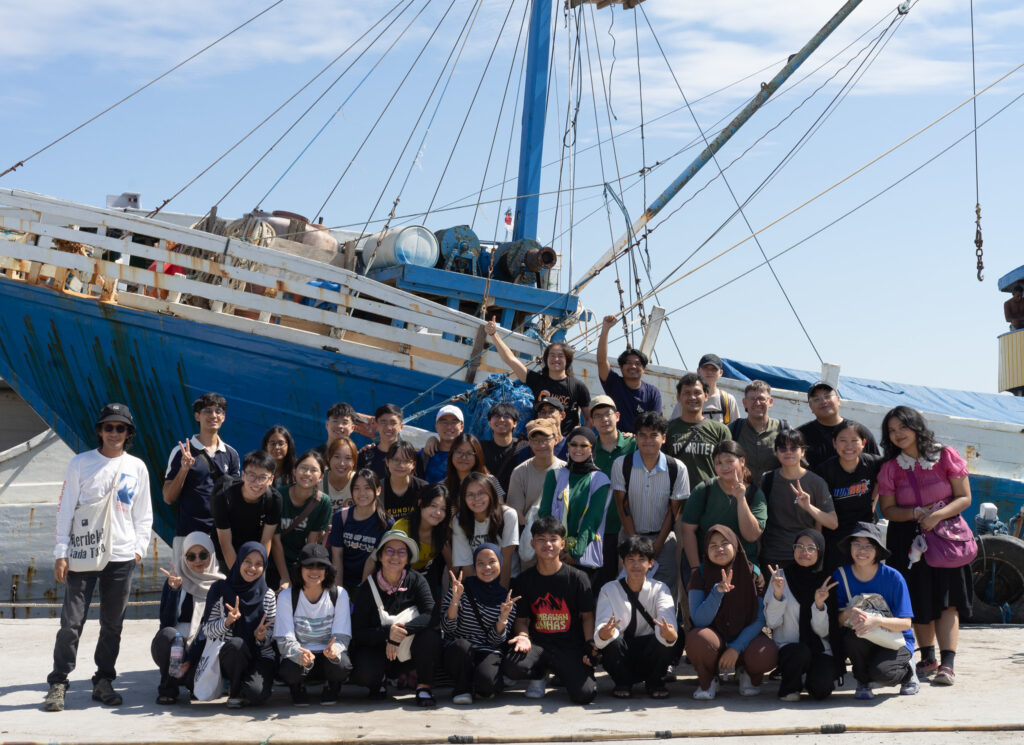
The Global Experience Course (GEx) Sulawesi 2026 officially began its month-long immersive learning journey by introducing participants to the theme of Community and the Commons through an exploration of coastal commons across Makassar. Bringing together students from NUS College and Universitas Hasanuddin, the program encourages participants to learn directly from communities and understand how shared resources are collectively managed in everyday life.
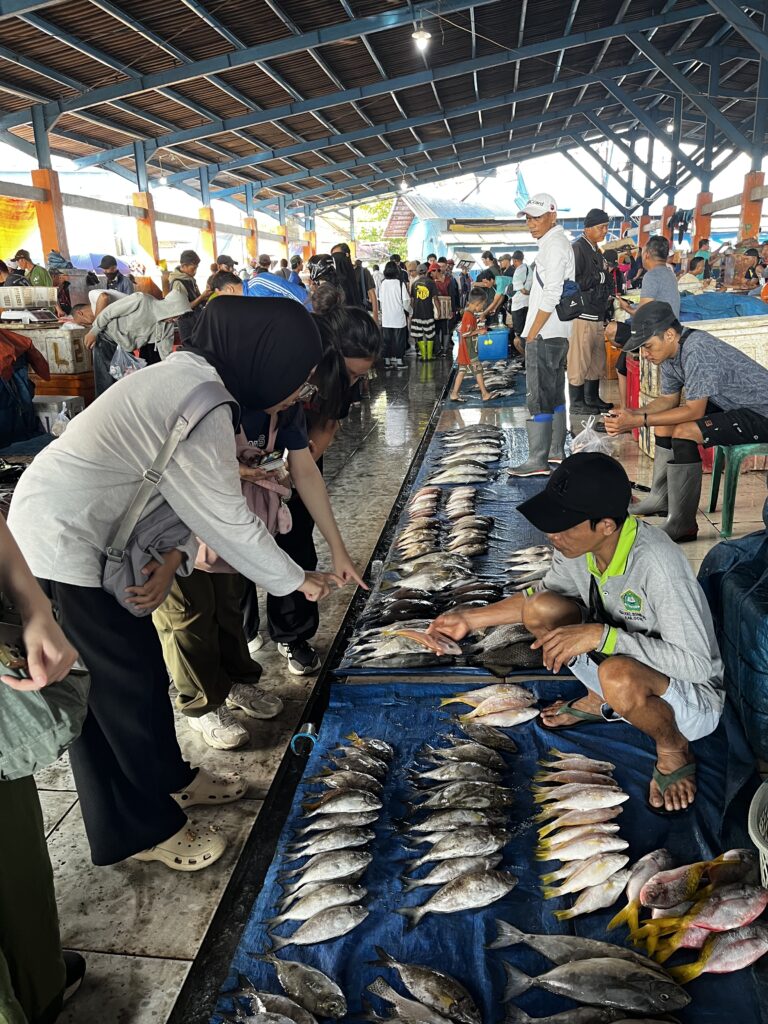
During the first week, participants visited several coastal areas that represent different dynamics of marine resource management in South Sulawesi. The journey started at Makassar’s fish auction centers in Rajawali and Paotere, where students observed firsthand how coastal communities rely on collective trading systems and how fisheries play a central role in supporting local livelihoods. Beyond observing market activities, participants were also given the opportunity to explore the interior of a cargo boat docked at the port and engage directly with its workers. Through these conversations, participants learned more about the realities of working in the maritime sector. At the time of the visit, the crew was taking a temporary break while repairing damaged parts of the vessel, a process that can take up to five days before continuing their journey. The cargo ship itself transports various mixed goods across destinations, especially in Eastern part of Indonesia.
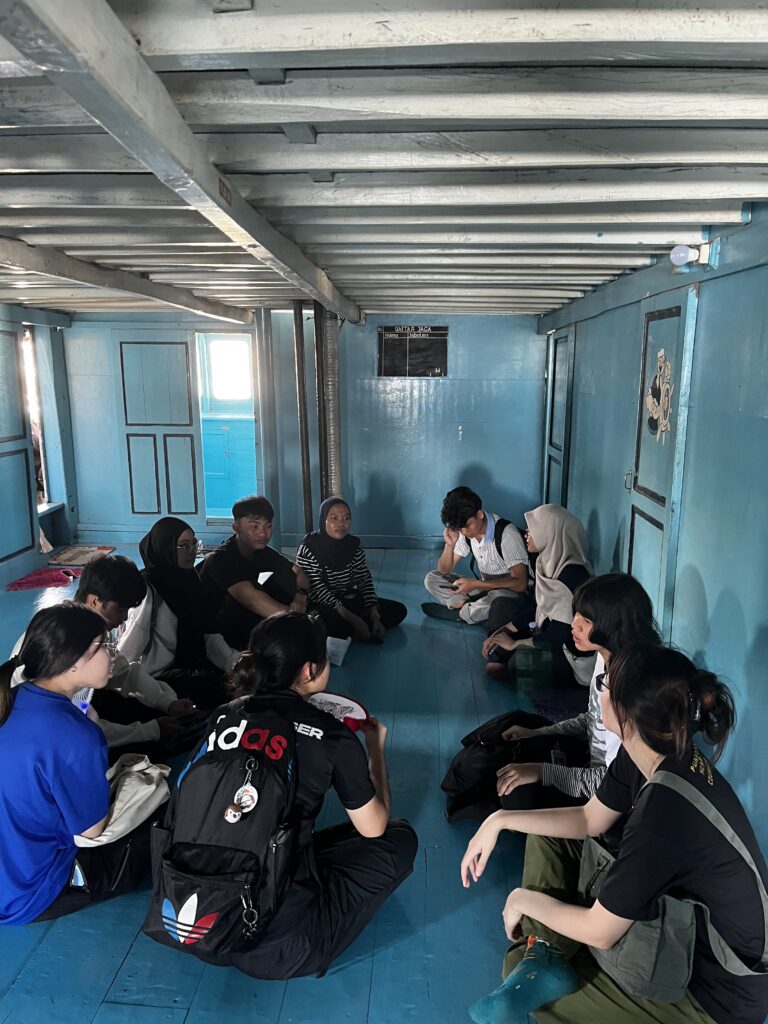
One of the workers shared his personal story, explaining that he had started working on ships at just nine years old after leaving school following the passing of his mother. Since then, he has spent years working in different places and serving on various types of boats. For participants, this interaction gave a deeper understanding of the human side of maritime livelihoods, revealing the personal struggles, resilience, and lived realities behind the coastal economy that often remain unseen.
“During a full moon, fishermen usually only work for about 15 days because the catch decreases.” – Nailah, GEx Sulawesi Participant’s fieldnotes
Additionally, during our visit in TPI Paotere, we also met KWN (Female Fishermen Group) Fatimah Azzahrah who collectively gather and support the family’s income by creating innovation from the catch of her husband, such as processing the tuna into tuna floss. They also create a school for the girls in their surrounding area.
The exploration continued to Lae-Lae Island, where participants engaged with the island community and gained a deeper understanding of how small island communities navigate environmental challenges while maintaining their connection to marine resources.
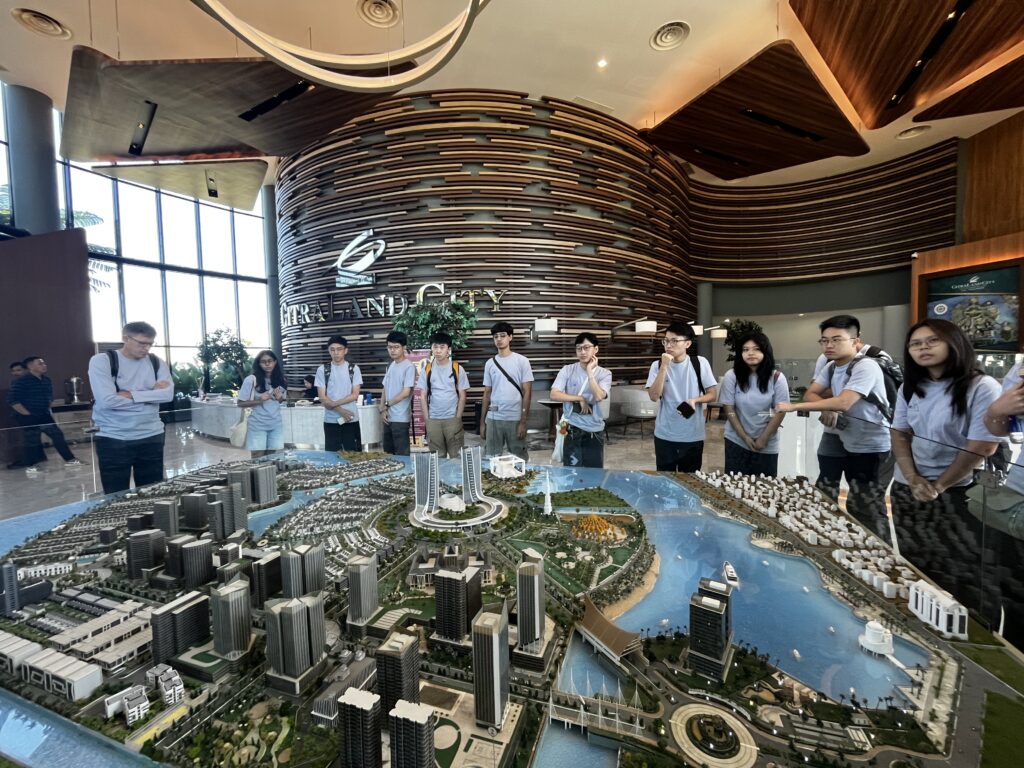
Participants also visited the Center Point of Indonesia reclamation project, where discussions focused on the impact of large-scale coastal development and how reclamation projects can reshape both ecological systems and community access to shared coastal spaces.
Through these field visits, students were encouraged to reflect on the relationship between communities and coastal resources, while understanding the broader environmental and social challenges surrounding marine commons.
As the first chapter of GEx Sulawesi 2026, this week highlighted the importance of experiential learning beyond the classroom by bringing participants directly into real-life situations where communities interact with shared natural resources every day.
Photo Credits: GEx Sulawesi 2026 Documentation Team