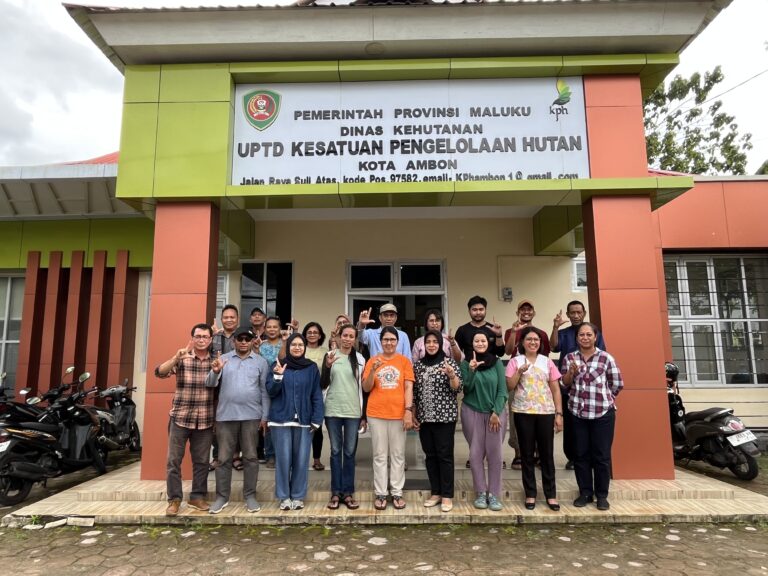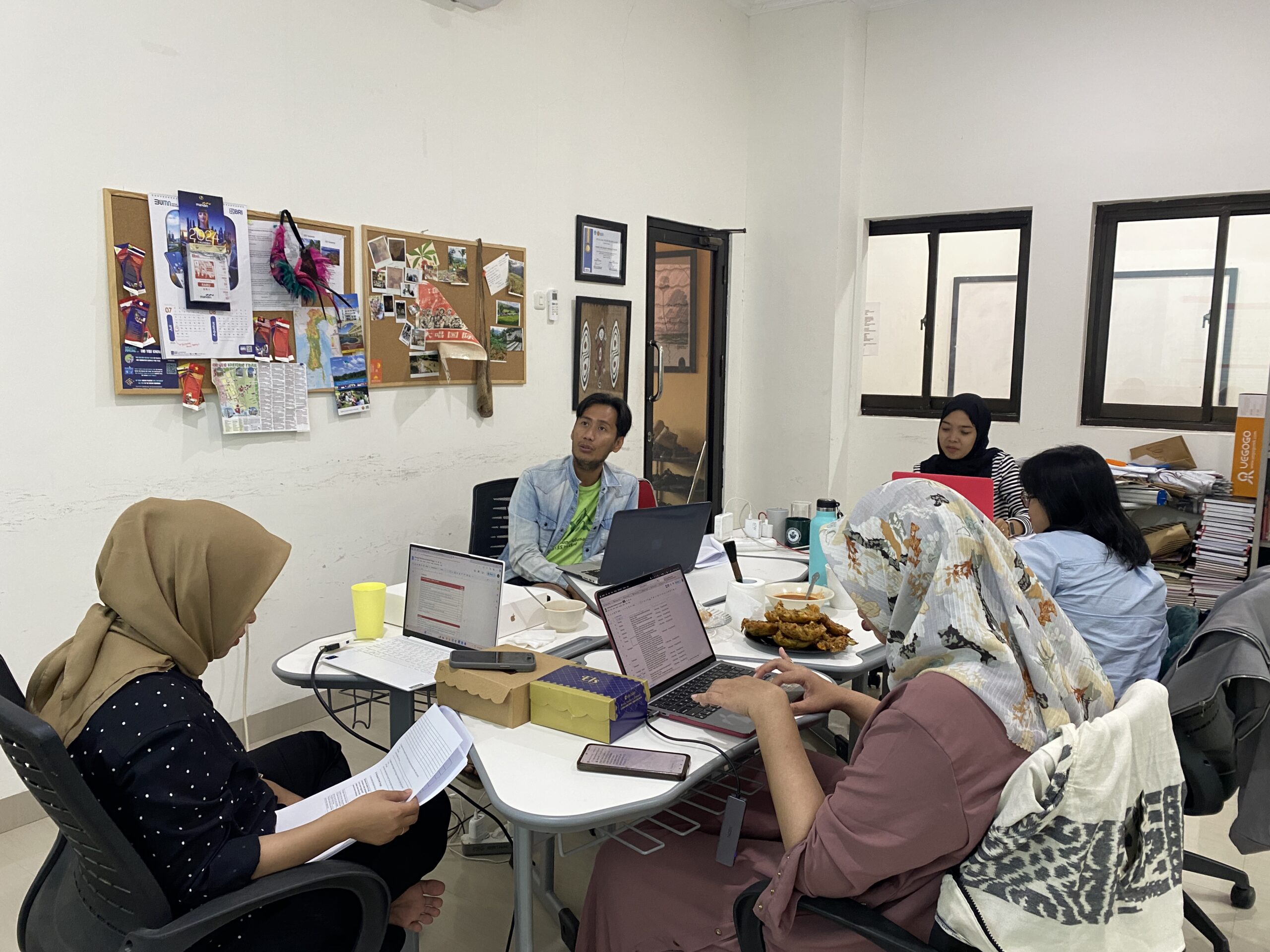

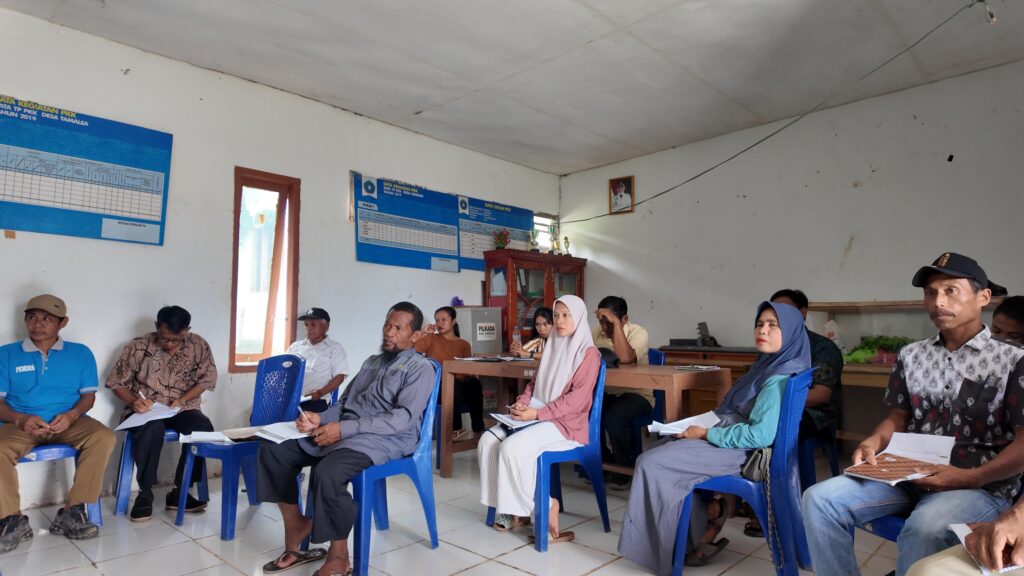
In Year 4, the research enters a phase of consolidating findings and producing outputs that can contribute to both academic knowledge and practical change. Building on four years of fieldwork, community engagement, participatory research, and analysis, we are bringing together the evidence and insights generated throughout the project. We had conducted initial meeting to discuss about the research progress, including creation of this module, village regulation and other research outputs on 16 April 2026, located in Forest and Society Research Group (FSRG) office, the meeting was done hybrid because some of our research fellow were unable to join the meeting in person, there were seven research project members attended the module meeting.
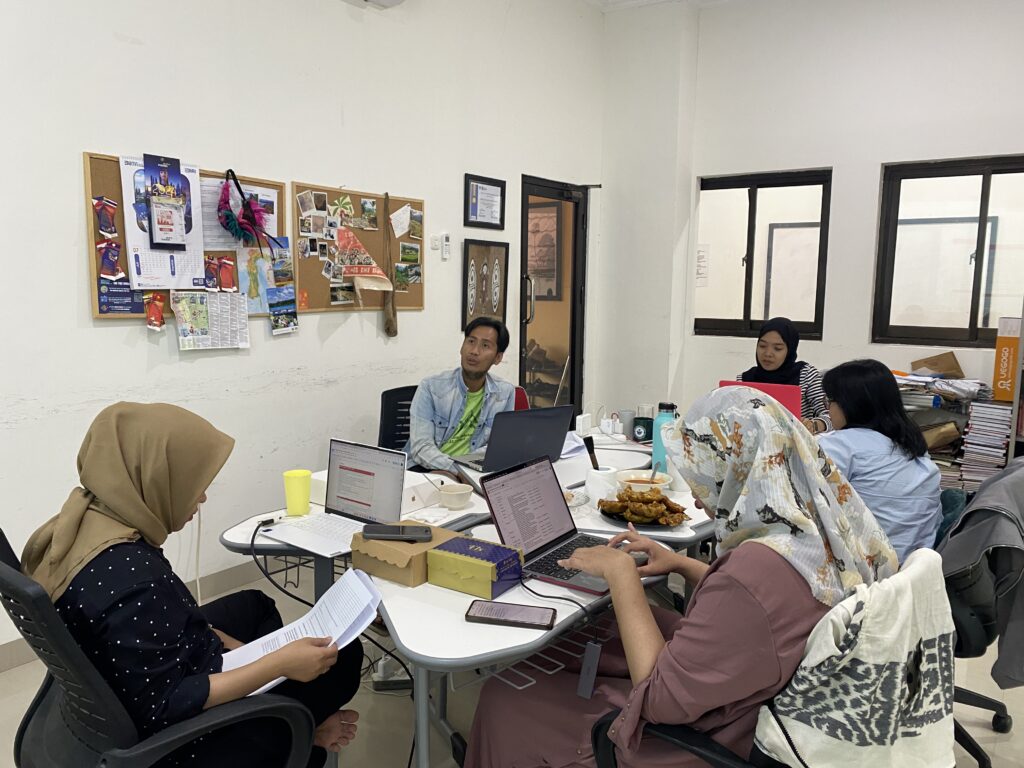
A key focus is the completion of the gender mainstreaming module, developed through our discussions and engagement with communities in the research villages. The module brings together lessons from the research and local experiences to provide a practical resource for facilitators and communities seeking to integrate gender perspectives into village programmes, planning, and decision-making.
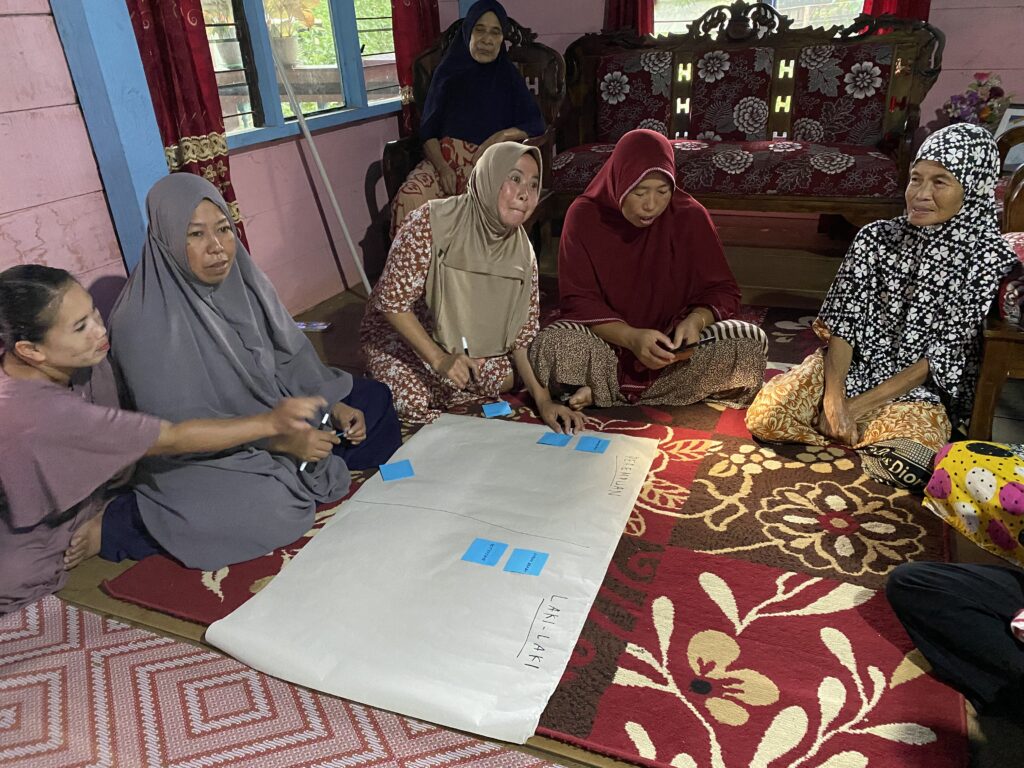
We are also working toward finalising the Village Regulation on participatory and sustainable natural resource management in Tamalea. Building on the participatory drafting, consultation, and validation processes undertaken with community members, village government, and village institutions, the regulation seeks to provide a locally grounded framework for managing natural resources while responding to community concerns around access, use, and protection of forests and productive land.
At the same time, the research team is consolidating the findings into academic papers and other research outputs. These publications bring together evidence from our fieldwork on ecosystem services, well-being, gender, power relations, and landscape transformation, while contributing to broader discussions on environmental justice and fairer forest-agriculture frontiers.
Together, these outputs represent an important step in moving the research beyond data collection and analysis. They aim to make the knowledge generated through the project useful to different audiences, from academic communities to local communities, facilitators, and policymakers.
Year 4 therefore focuses on ensuring that the knowledge and experiences gathered throughout the research are not only documented, but also translated into practical tools, local policy, and academic contributions that can support more equitable landscape governance.
This activity supports the Sustainable Development Goals (SDGs), particularly SDG 13 (Climate Action), SDG 16 (Peace, Justice and Strong Institutions), SDG 4 (Quality Education), and SDG 5 (Gender Equality). Through the development of the gender mainstreaming module, village regulation, and research outputs, the activity promotes gender-inclusive decision-making, sustainable natural resource management, community participation, and knowledge sharing. These outputs help turn research findings into practical tools that can support more equitable and sustainable local governance.