
This popular article was published on The Conversation
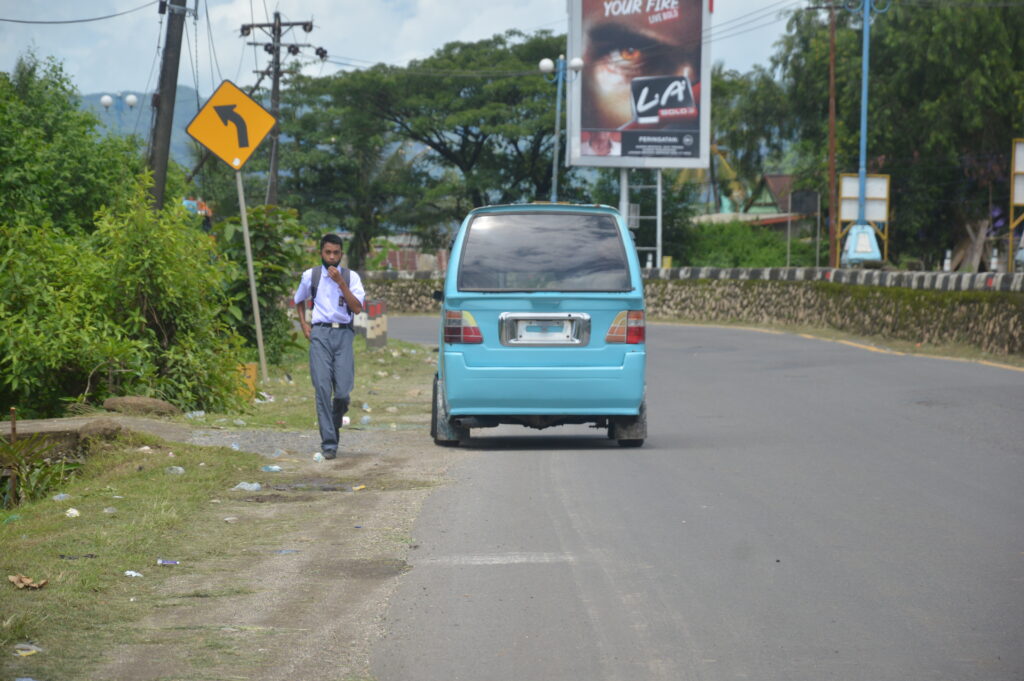
MAKASSAR, Indonesia May 26 2025/FSRG/ – Every morning, Indah (18 years old) wakes early to catch the company bus from her coastal village in Maros Regency, South Sulawesi. She travels for over one hour to a shrimp manufacturing warehouse in the urban outskirts of Makassar City—the capital of the province.
Despite living in a rural village, she does not have any land to establish herself in farming. She works at a factory, just like many other young women in her village, as there are few options left.
The rural landscape has changed rapidly, driven by expanding urbanisation, mining activities, commodity crops, and infrastructure development—displacing once-fertile agricultural land. As a result, fewer rural young people have access to adequate amounts of farmland to make a viable living from agriculture alone, and lingering informality in the workplace makes stable off-farm employment difficult to find, Indah’s story is representative of many youth in rural Indonesia, who are seeking new pathways to achieve their livelihood hopes and aspirations.
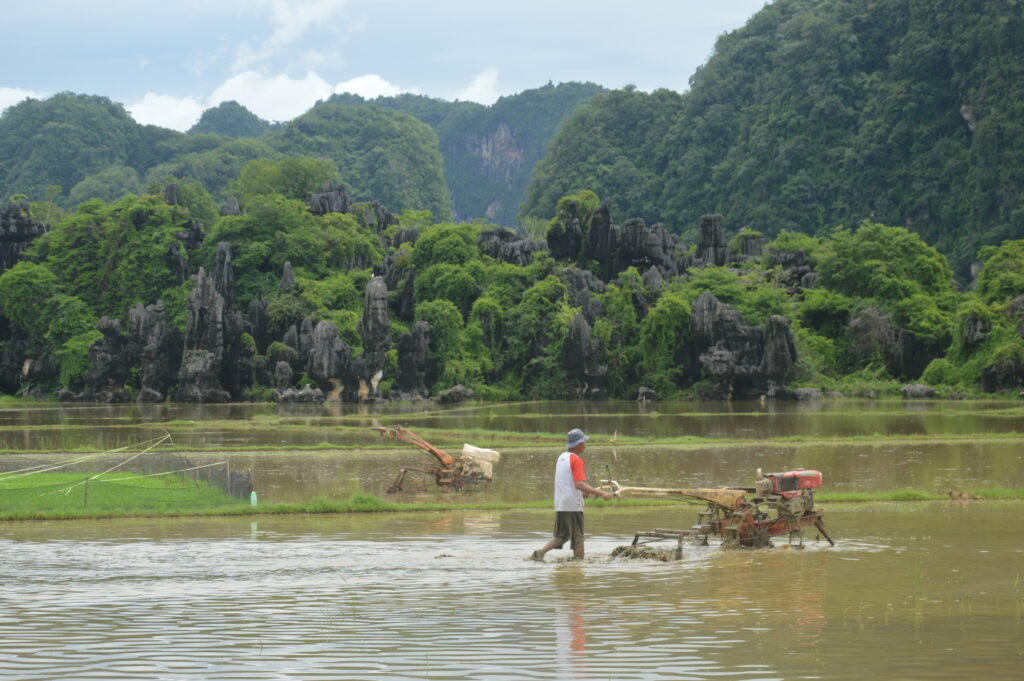
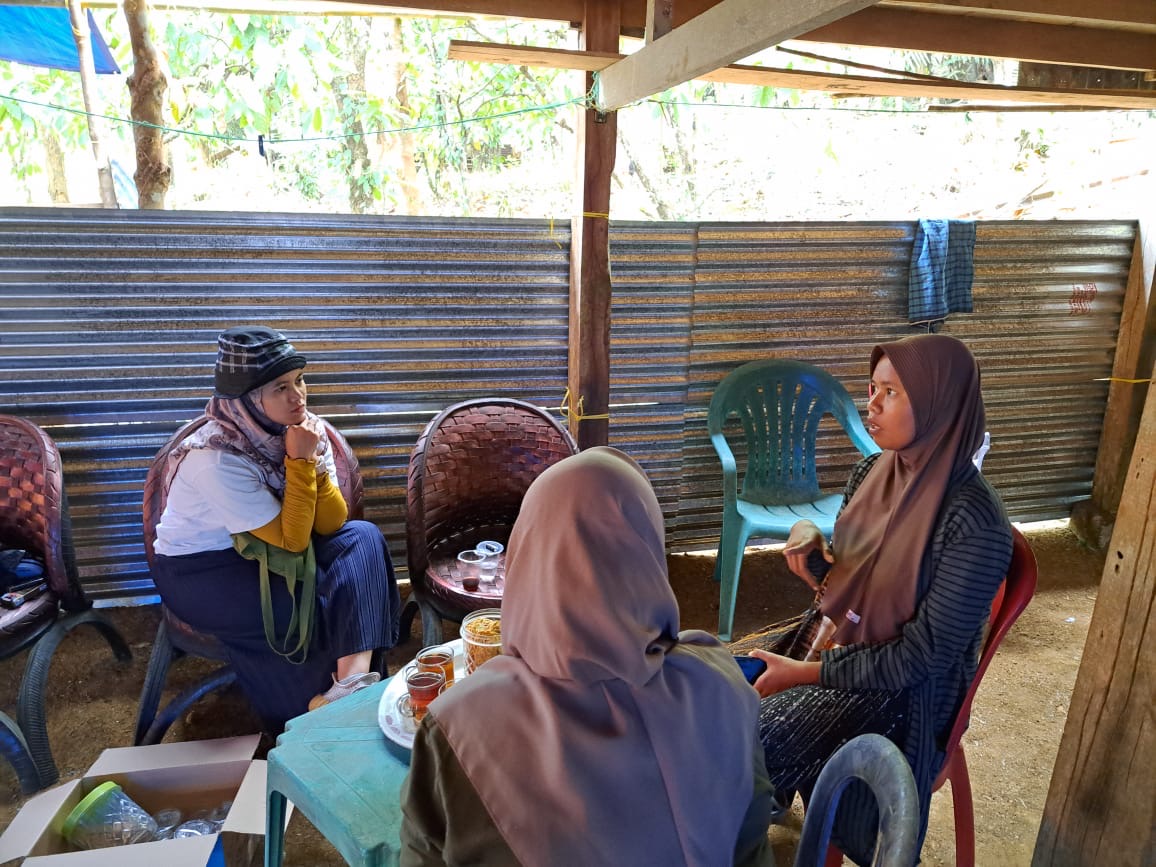
To understand the changing nature of young people’s livelihoods, aspirations, and hopes, we conducted in-depth fieldwork in four villages spanning different geographies in the Maros Regency. These are the sites of our published paper titled Waiting to be called’: rural youth, hope and future-making in South Sulawesi, Indonesia which was published on Journal of Youth Studies on 19 March 2025. In each village, we heard how young people—including Indah—face similar challenges as they imagine, realise and recalibrate their future,
Rising rates of tertiary education, but jobs not guaranteed
Over the past few decades, Maros has undergone rapid agrarian and economic changes. The creation of the Bantimurung-Bulusaraung National Park has.., Read more…
This article contributes to the Sustainable Development Goals (SDGs), particularly SDG 3 (Good Health and Well-being) and SDG 13 (Climate Action). By examining the challenges faced by rural youth in accessing land, livelihoods, and opportunities, the article highlights how changes in rural landscapes and environmental conditions can affect young people’s well-being and future prospects. It also draws attention to the need for more sustainable and climate-resilient rural livelihoods, particularly as environmental change increasingly shapes the choices and opportunities available to younger generations.
Reference
DOI: https://doi.org/10.1080/13676261.2025.2477023
Contact:
Dr. Christina Griffin
+61-457-117-696
christina.e.griffin@gmail.com