


At the beginning of the program, we were introduced to the campus environment and facilities. In addition, we explored local cultural spaces such as the Isan Festival and night markets, where local farmers and small scale entrepreneurs sold agricultural products, food, and handicrafts. These visits helped us understand the relationship between local culture, agriculture, and community economies.
A key part of the exchange program was a field visit to a rural village to learn about community based economic initiatives. One important initiative observed was the Seed Bank and Whisky Production as an effort to maintain and improve the economic conditions of local farmers in Ban Kham, Khon Kaen, Thailand. The Seed Bank was established in 2019 by Pho Sawat. The seed bank was created to protect farmers’ seeds during flood seasons, ensuring that farmers can continue planting and maintain their livelihoods even after natural disasters occur. Initially, the seed bank had only 27 farmer members, but it has grown to include about 70 farmers. Farmers deposit seeds before the rainy season and can withdraw only the same amount they previously stored. There is also a borrowing system among farmers, allowing those who lack seeds to borrow from others and return the same quantity later. The seed bank accepts all local crop seeds except GMO varieties, as GMO seeds are typically used for only one planting cycle. The main challenges faced include weather conditions and some seed losses during storage.
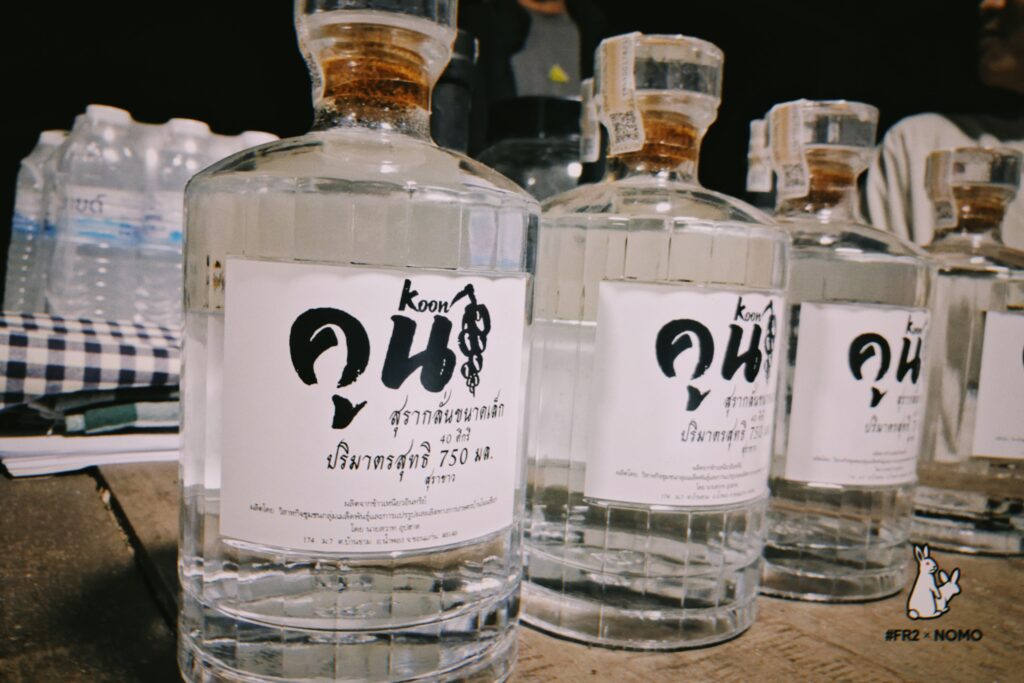
Another important community activity is local Whisky Production. Knowledge of whisky making has been part of the Pho Sawat family tradition for about 60 years. Pho Sawat later expanded this knowledge through research and shared it with local farmers when he came to the village about 40 years ago. Since the farmer community formally formed in 2019, they have started producing whisky collectively as an additional income source. The product has a high market value and already has regular customers. Farmers can earn around 15,000–50,000 baht from whisky production, while other members contribute by producing the whisky or working in packaging activities such as labeling bottles.
However, small scale producers face regulatory challenges because selling alcohol openly or in large quantities is restricted. While large companies can afford fines, small farmers cannot. Therefore, the whisky is mostly sold directly to local consumers and small restaurants. Overall, the exchange program provided valuable insights into how local communities combine traditional knowledge, agricultural resilience, and small scale enterprises to strengthen rural livelihoods
*this fieldnote was written by Gabriela Adolf Kezia Alo