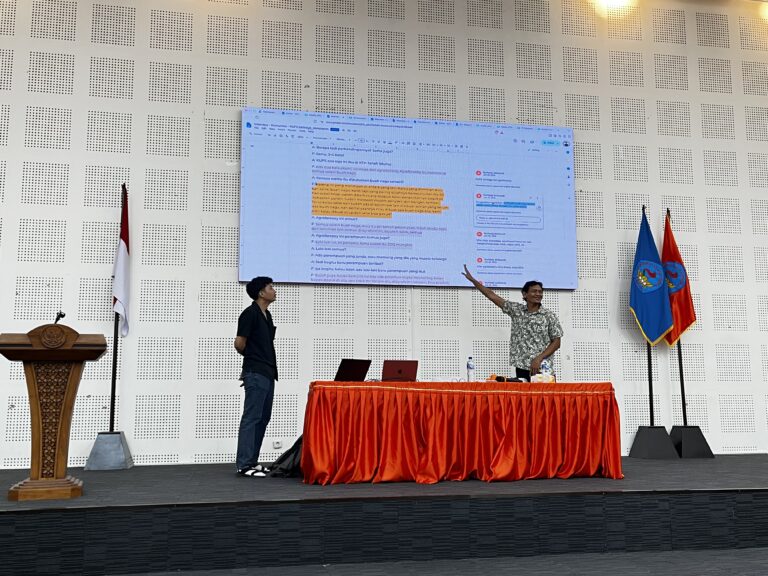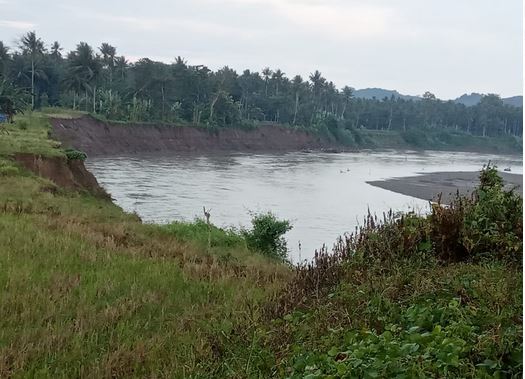

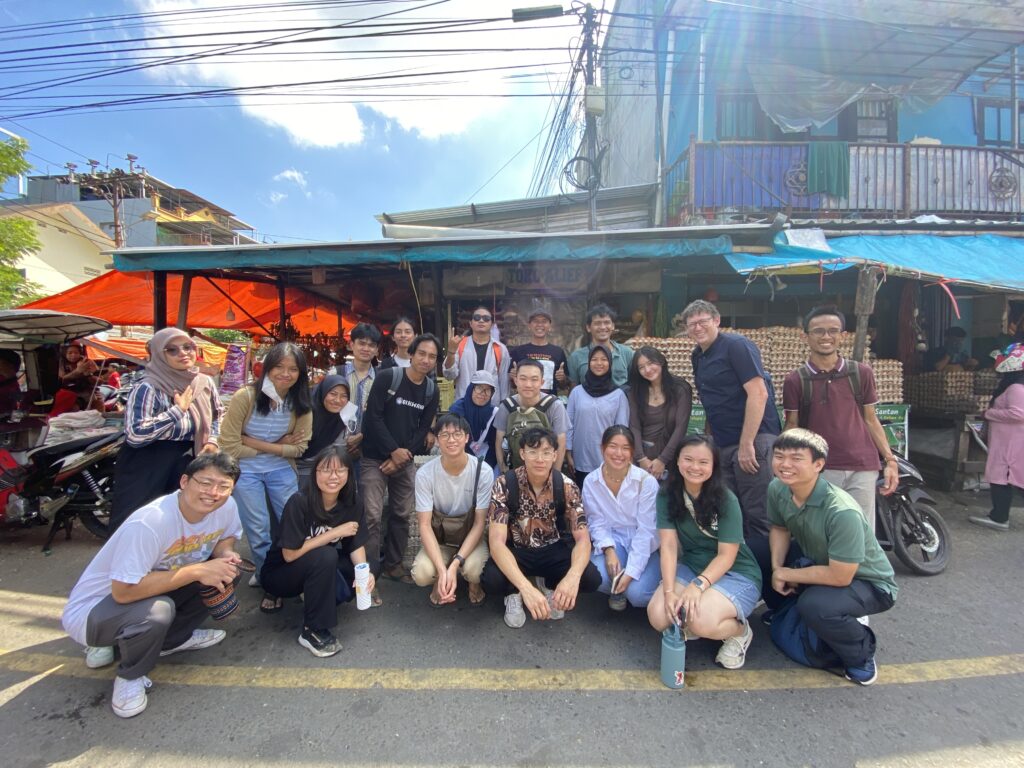
Sulawesi was chosen as one of the featured regions. GEx Sulawesi aims to explore the cultural, social, and environmental changes linked to the island’s rapid economic development. Through this experience, students are encouraged to reflect on how global commodity chains, national investment priorities, and provincial development plans shape the lives of local communities.
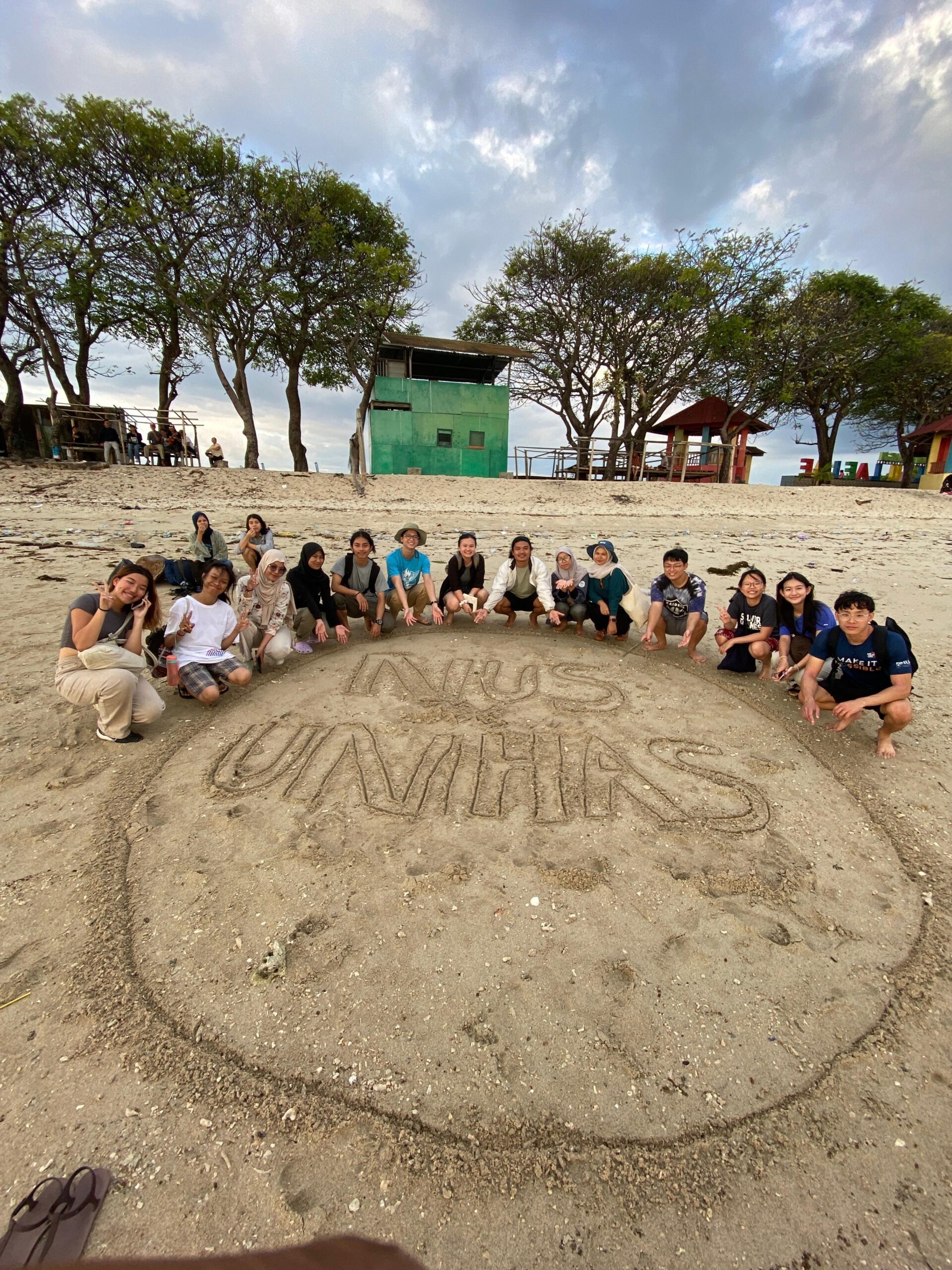
GEx 2024 involved eight undergraduate students from various disciplines at the National University of Singapore and eight students from the Faculty of Forestry, University of Hasanuddin, they are Reymonset Tungka, Djaelani Batara Wali, Anita Pratiwi, Firstly, Kerjsrivtel Sambenthiro, Jumarlia, Bayu Saputra, Zahroh Putri. NUSC students registered as fee-exempt inbound students at Fakultas Kehutanan, while UNHAS students joined through the Merdeka Belajar program (MBKM). This student counterpart program allowed participants from NUS and UNHAS to learn together and exchange ideas, culture, and experiences in a collaborative environment. By working and traveling together throughout the program, students were able to compare perspectives, share knowledge, and build friendships while discussing development and environmental issues in Sulawesi.GEx Sulawesi 2024 took place from 1–26 July 2024 and focused on several locations, offering experiential learning through field visits that highlight different social and environmental challenges.
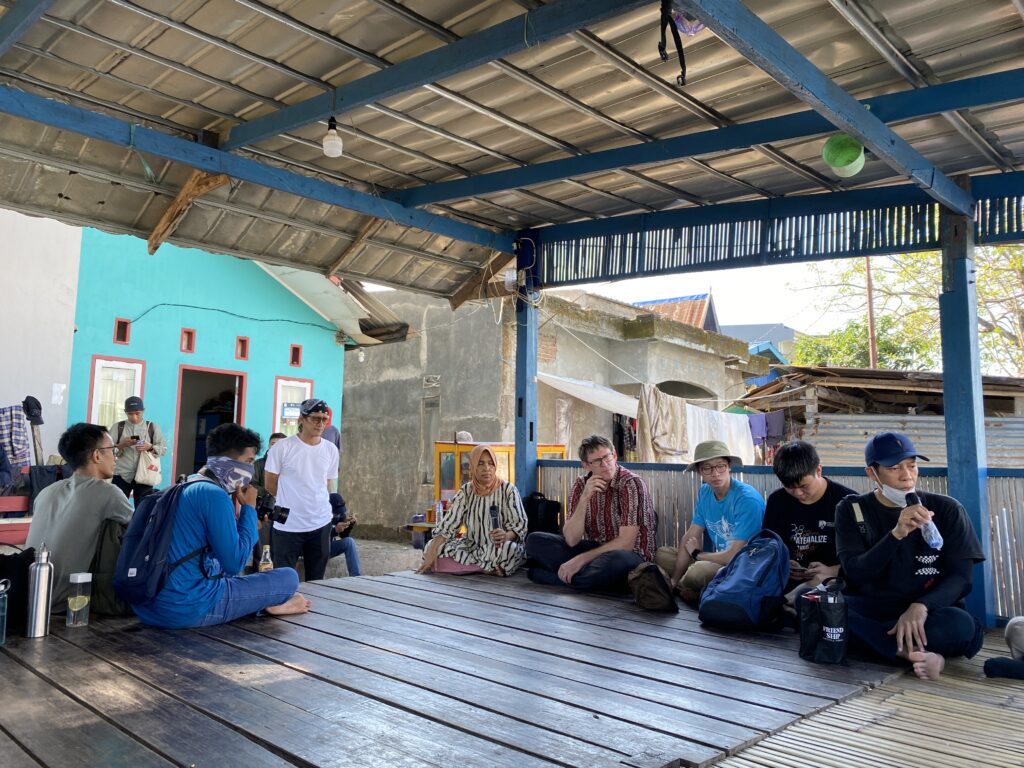
The following week, the students traveled to Maros Regency. The group visited Rammang-Rammang to learn about community-based ecotourism and how local residents manage tourism while protecting the surrounding karst landscape. They also visited the UNHAS Education Forest to understand Makkalice practices and community forest management. During this visit, the group had a conversation with a former mining worker who decided to return to Maros and pursue a different livelihood, offering a personal perspective on environmental change and economic choices.
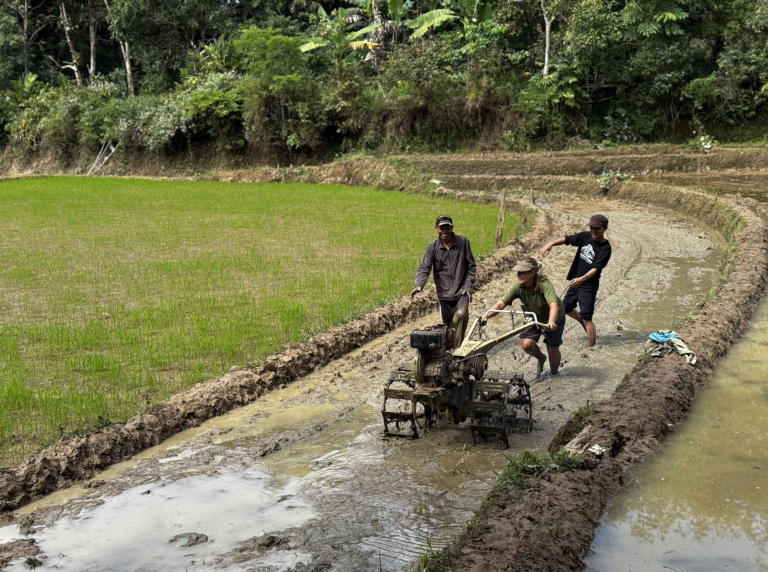
The next destinations in the program were Toraja and Enrekang, where the students explored agriculture in upland areas. These visits provided insights into farming practices in mountainous landscapes, including coffee and other crops, while discussing the challenges faced by farmers such as climate change, market access, and land management.
In the final part of the journey, the group traveled to Bira in Bulukumba to learn about the traditional craft of building the phinisi ship. This iconic wooden sailing vessel reflects the region’s long maritime heritage and highlights the deep connection between coastal communities, craftsmanship, and the sea.
GEx Sulawesi 2024: Excavating the Effects of Economic Development represents a strategic implementation of the Sustainable Development Goals (SDGs), particularly SDG 4 (Quality Education), SDG 8 (Decent Work and Economic Growth), SDG 13 (Climate Action), SDG 15 (Life on Land), and SDG 17 (Partnerships for the Goals). Through field-based and interdisciplinary learning, the program encourages students to critically examine how economic development shapes landscapes, natural resources, communities, and livelihoods in Sulawesi. Its exploration of the environmental consequences of development contributes to SDG 13 and SDG 15 by highlighting the connections between economic activities, climate challenges, and terrestrial ecosystems. At the same time, examining livelihoods, employment, and local economies relates to SDG 8, encouraging a more critical understanding of how economic growth can be pursued while considering social and environmental sustainability. Through experiential learning and engagement with local contexts, the program advances SDG 4, while collaboration among students, universities, researchers, and local communities strengthens SDG 17 through knowledge exchange and collective learning.