
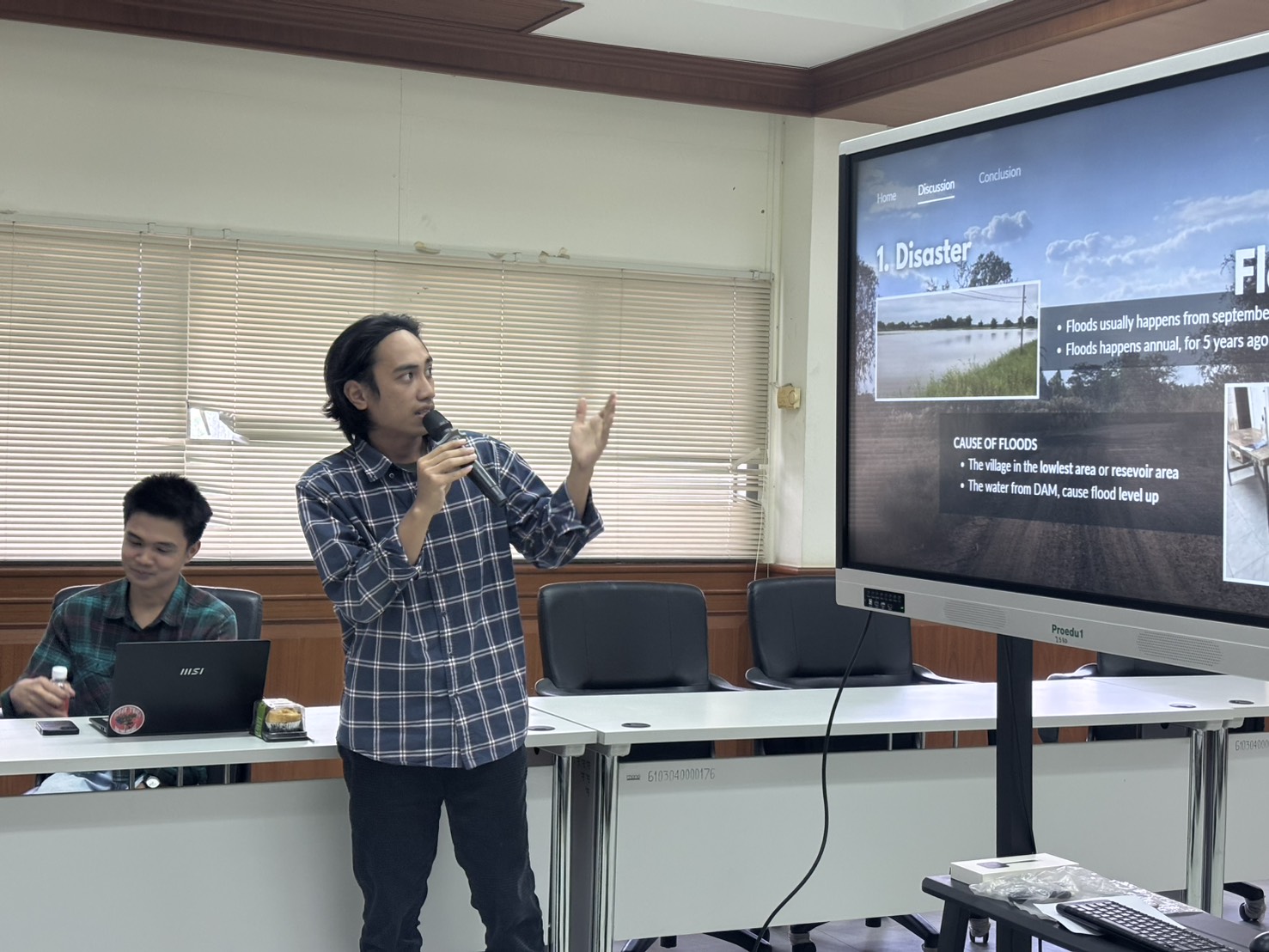
The Forest and Society Research Group (FSRG) at the Faculty of Forestry, Universitas Hasanuddin, not only produces regular publications through the Forest and Society journal, but also organizes and facilitates research capacity and publication activities for early-career researchers or students. Through these initiatives, FSRG has built international collaboration networks with several overseas universities, including Khon Kaen University. Due to this network, we hosted two internship students from Khon Kaen University, Thailand, to Universitas Hasanuddin. At the same time, the Faculty of Forestry, Universitas Hasanuddin, delegated four of its students to Khon Kaen University to conduct fieldwork as part of this academic exchange.
Program period: November 2025 – March 2026
Host: Faculty of Forestry, Universitas Hasanuddin, the Forest and Society Research Group (FSRG)
Partner: Khon Kaen University, Thailand
Exchange: Students from Khon Kaen University to UNHAS and students from UNHAS to Khon Kaen
Learning locations: Malino, Gowa and Maros
Focus: Social forestry, organic farming, community-based learning, and sustainable resource management
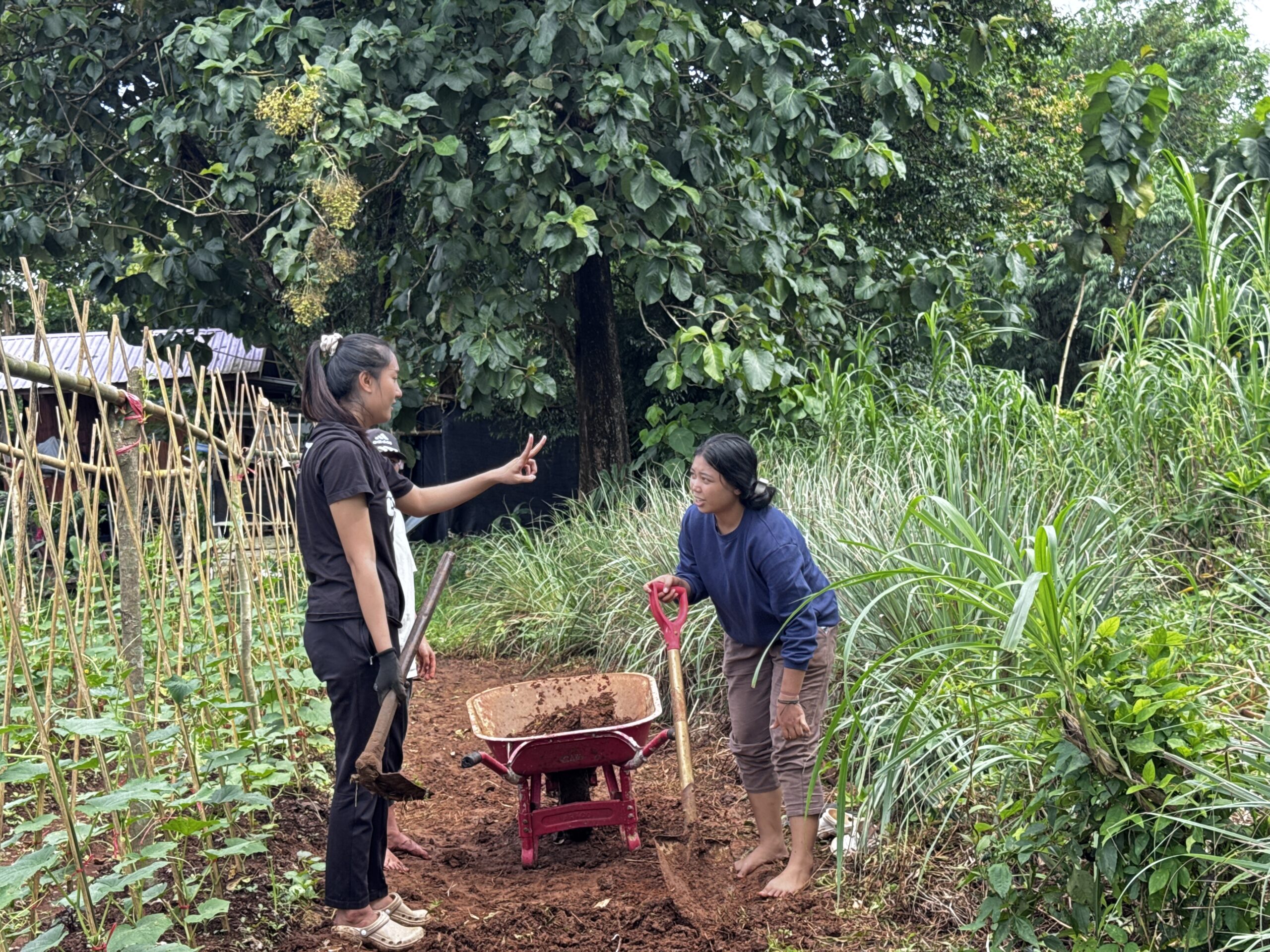
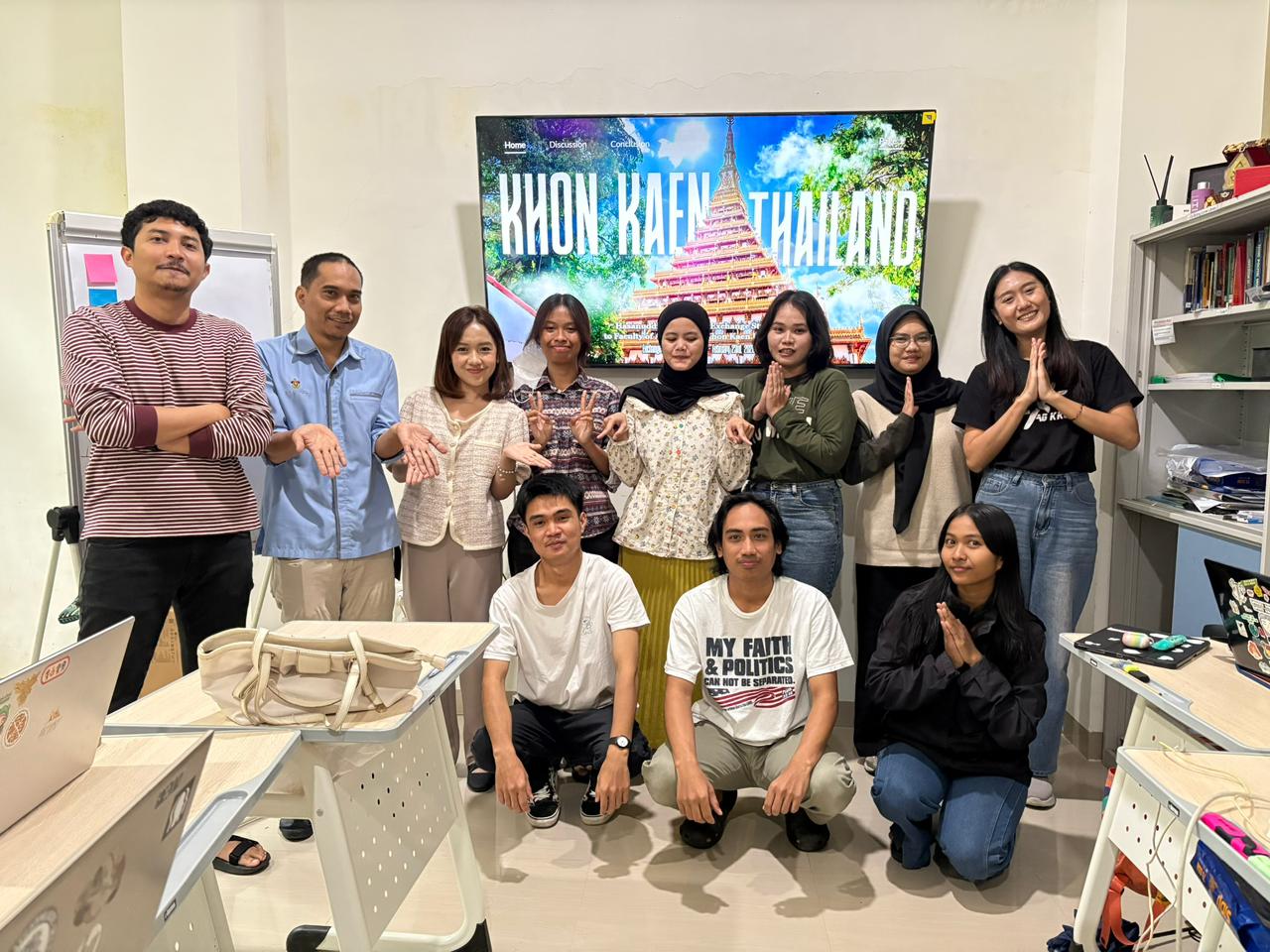
From November 2025 to March 2026, the Faculty of Forestry, Universitas Hasanuddin (UNHAS), through the Forest and Society Research Group (FSRG), hosted Pang and Khaem, students from the Faculty of Agriculture, Khon Kaen University, Thailand, as part of a four-month student exchange program Read more..
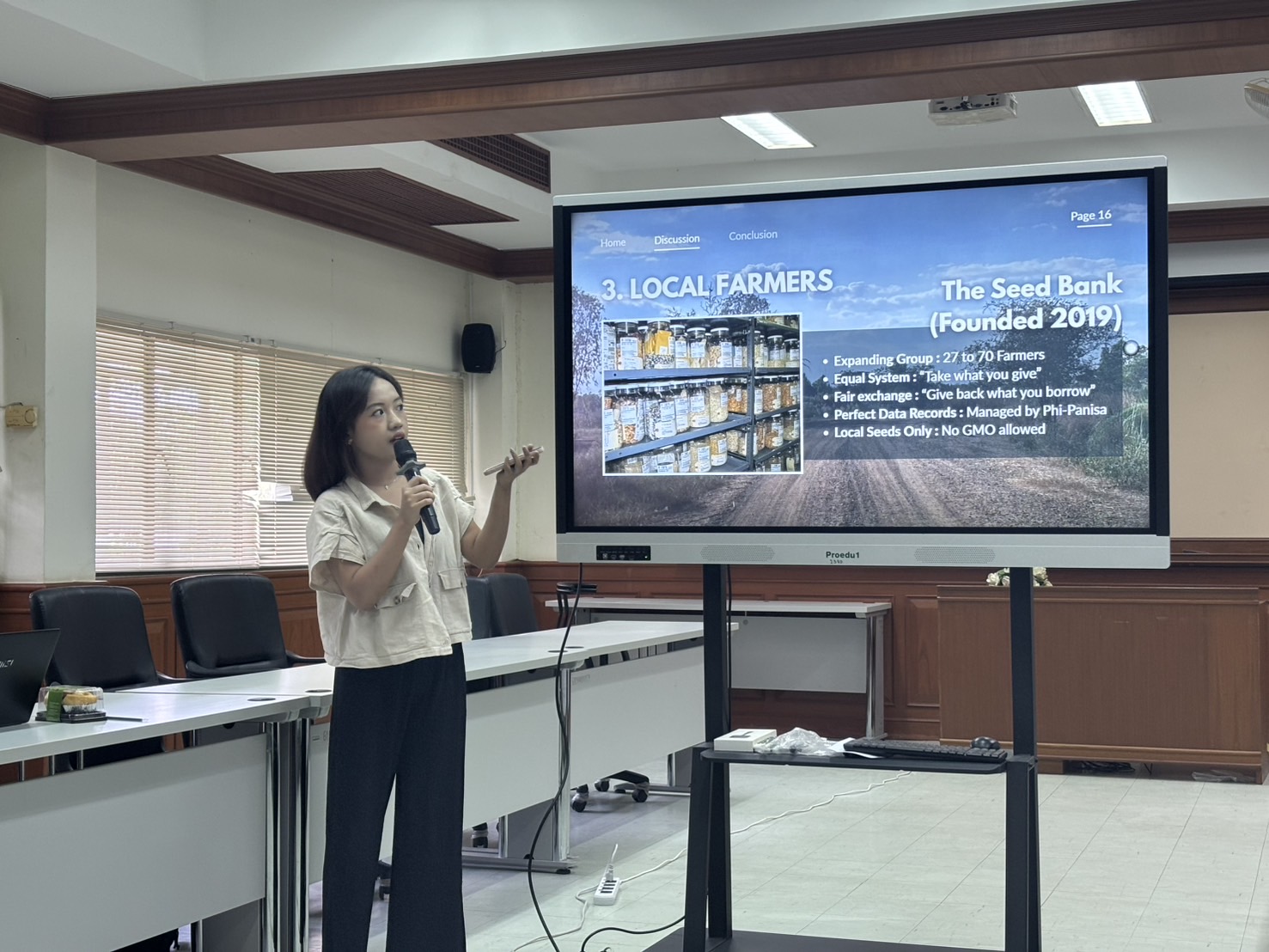
A group of Forestry students from Universitas Hasanuddin (UNHAS), Indonesia, participated in a one-month intensive academic program at Khon Kaen University (KKU), Thailand. The program was designed to strengthen academic collaboration between the two institutions while providing students with opportunities to gain international learning experiences and deepen their understanding of environmental and rural development issues in Southeast Asia Read more..
Notes from the field from UNHAS students:
We visited a small village in northeastern Thailand called Ban Kham. The village is home to only 30 families. We stayed at the home of the Pos sawat upahat family, who are famous whiskey makers in the village Read more
At the beginning of the program, we were introduced to the campus environment and facilities. In addition, we explored local cultural spaces such as the Isan Festival and night markets, where local farmers and small scale entrepreneurs sold agricultural products, food, and handicrafts. These visits helped us understand the relationship between local culture, agriculture, and community economies Read more
Ban Kham is one of the village in khon kaen that places in the lowest area and reservoir area, regard of that in Ban Kham usually happens floods for annual for 5 years. Before 5 years ago in Ban Kham the floods didn’t happen annually, like two times in three or four years. One of the reasons is because the urban area has increased in Khon Kaen Read more
During the student exchange program in Khon Kaen, Thailand, one of the main activities we conducted was visiting a village to learn directly about rural life in Thailand through field observation and several conversations with local residents. The village we visited is called Ban Kham, which is inhabited by around 35 families Read more