


Makassar, May 2026 | Environmental questions still take centre stage at this year’s Makassar International Writers Festival (MIWF) on 14 – 17 May 2026, with three researchers from the Forest and Society Research Group (FSRG), Universitas Hasanuddin, Mulyani Hasan, Abdurrahman Abdullah and Fatwa Faturrachmat, joining a series of discussions exploring the complex relationship between environmental policy, power, economic development and ecological crisis.
Their participation brings research and perspectives from the field into a public space where environmental issues can be discussed not only through data and policy, but also through stories, books and lived experiences.
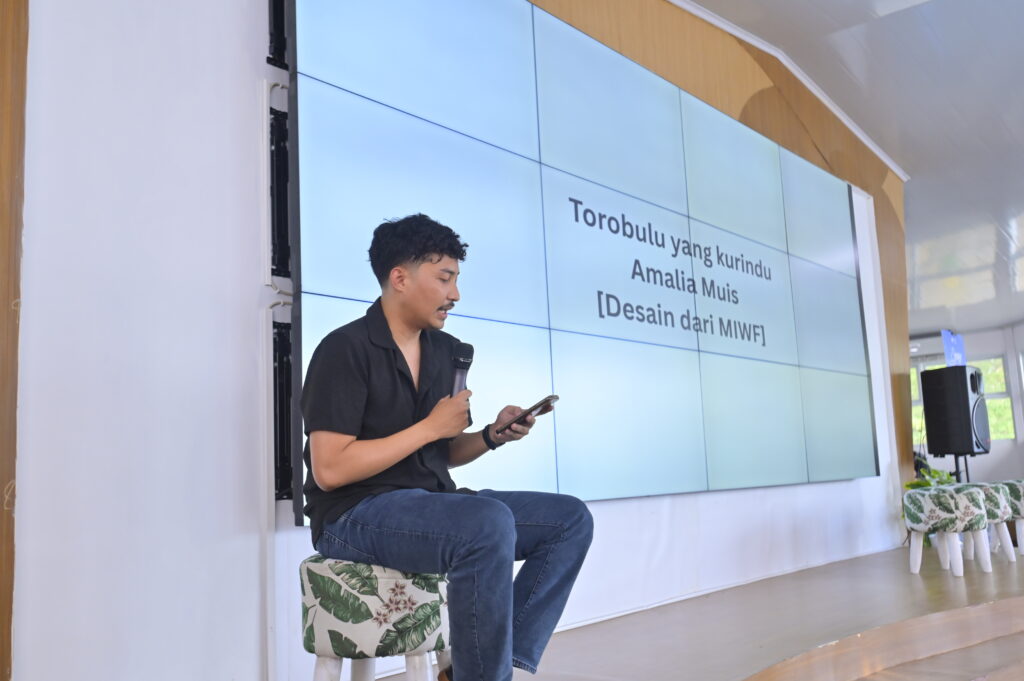
One of the discussions will examine the gap between environmental policy “on paper” and “on the ground.” While conservation policies often arrive with ambitious goals, their implementation can be shaped by overlapping land uses, challenges in law enforcement, competing interests and the social and economic realities of communities living around conservation areas.
The discussion invites participants to look more closely at how environmental regulations work in practice, and to ask whether existing approaches are strong and flexible enough to respond to realities on the ground.
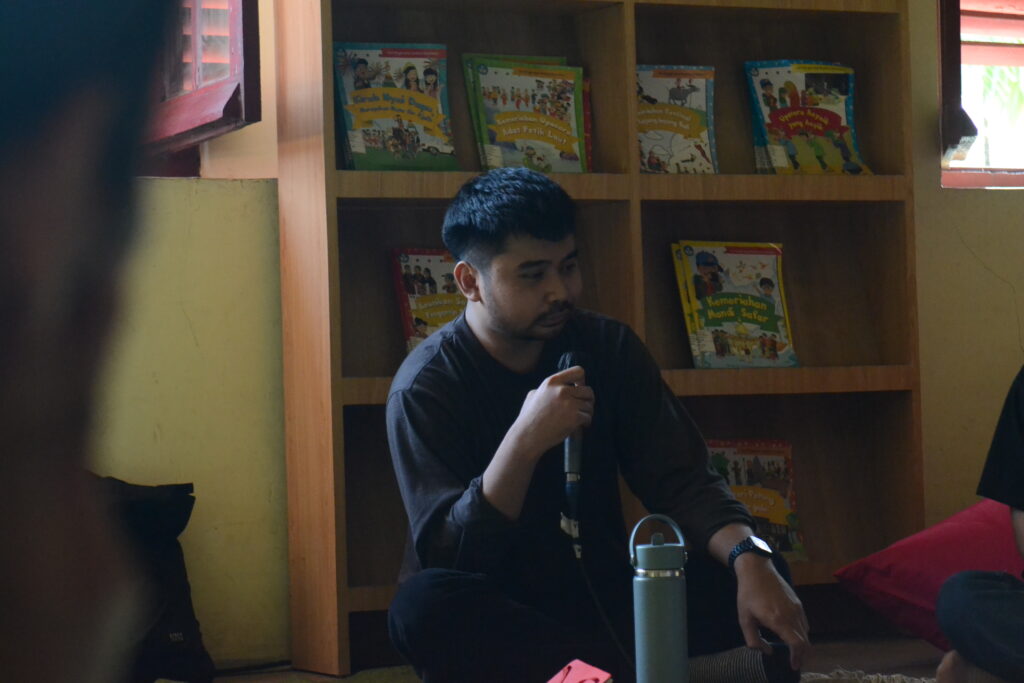
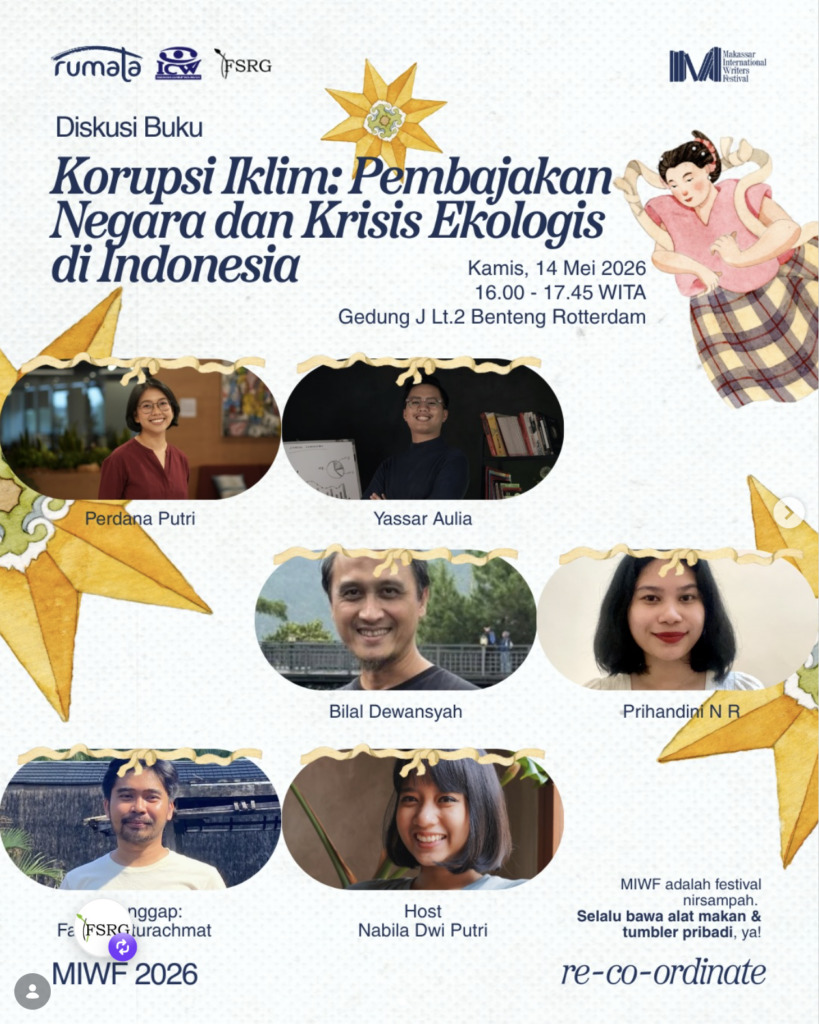
Another conversation turns to the question of climate corruption and power. The panel explores the collaboration behind the forthcoming book Korupsi Iklim: Pembajakan Negara dan Krisis Ekologis di Indonesia, based on the 2025 Climate Corruption Conference. It examines how environmental and natural resource policies can be shaped or captured by state and business interests, and how these relationships contribute to the ecological crises experienced today.
The conversation will also explore the connections between power, law and environmental destruction, while opening discussion about resistance and possibilities for change.
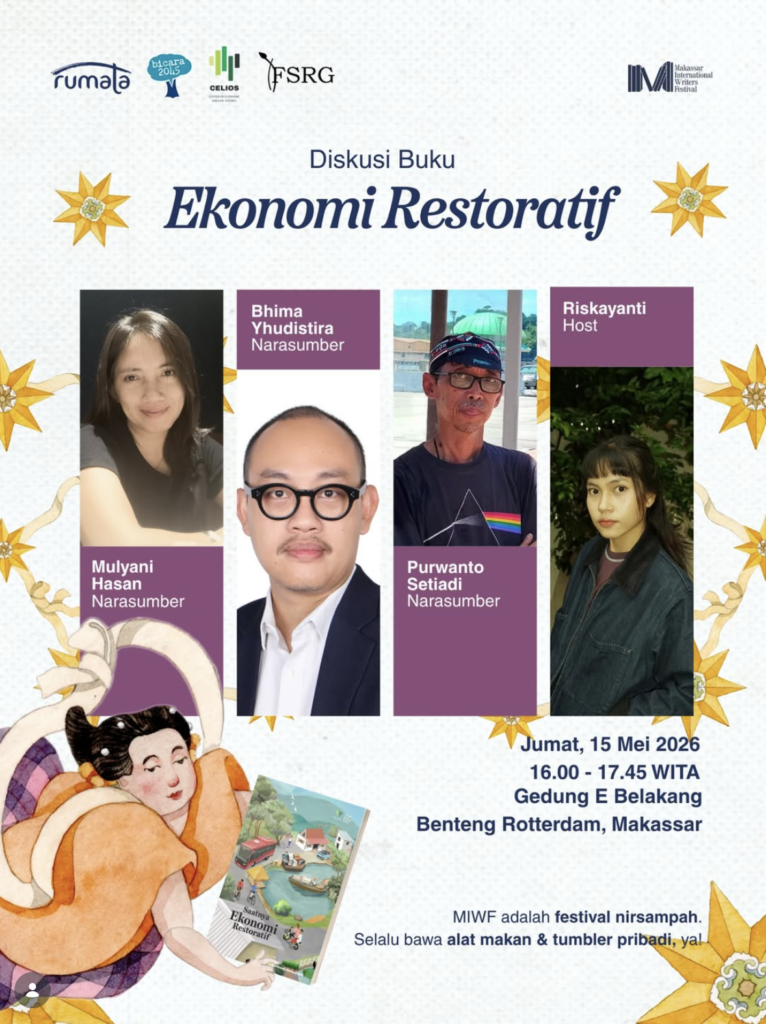
Questions of development and sustainability continues through a panel on “Ekonomi Restoratif”, which examines how restorative economic approaches can offer a different way of thinking about development, sustainability and community well-being. Rather than viewing economic growth and environmental protection as separate concerns, the discussion will consider how economic systems might better account for ecological limits and the well-being of people and places.
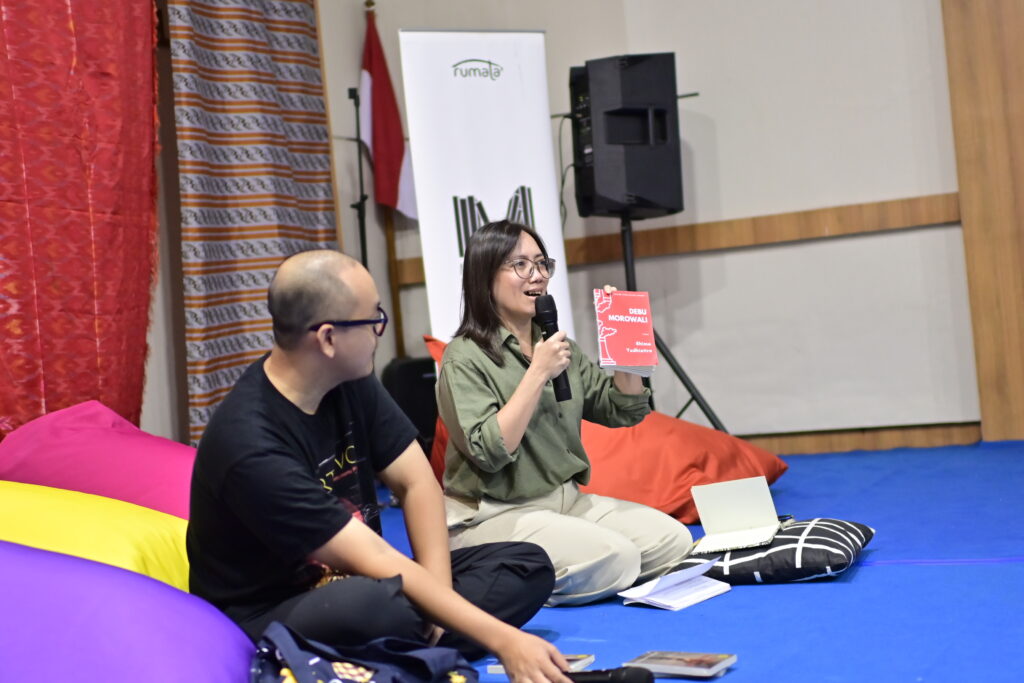
The festival also explores environmental questions through fiction. A discussion around Debu Morowali considers how fiction can become a space for expressing anxiety, questioning extractive economic models and communicating urgent environmental messages. Through storytelling, ecological issues can reach audiences in ways that invite reflection not only on what is happening to nature, but also on our relationship with it.
Across these discussions, the FSRG researchers bring a common perspective: environmental problems are never only about the environment. They are also about who makes decisions, who benefits from natural resources, whose voices are heard, and how policies and economic systems shape people’s relationships with the places they live.
By bringing these conversations to MIWF, FSRG researchers hope to connect research with a wider public and create space for environmental issues to be questioned, discussed and imagined through multiple forms of knowledge and storytelling.